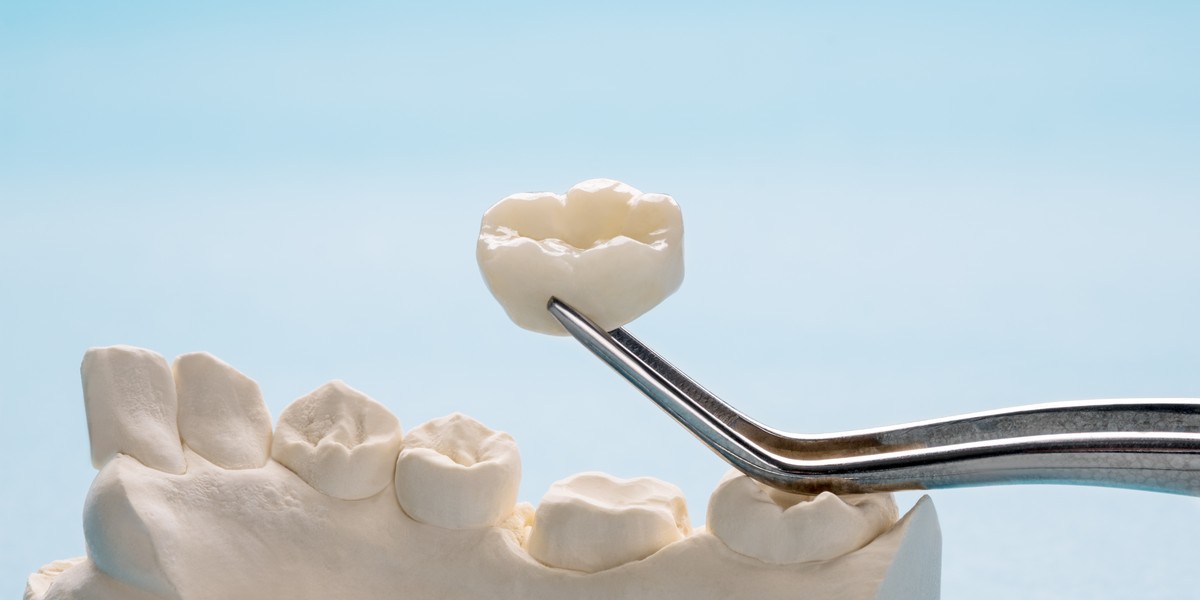
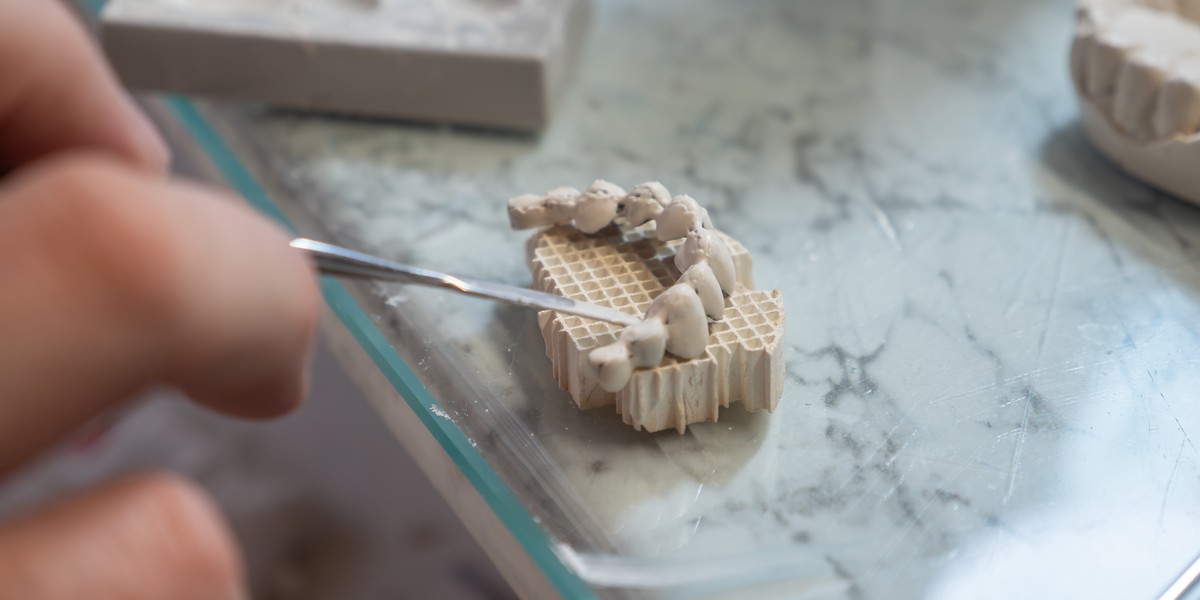
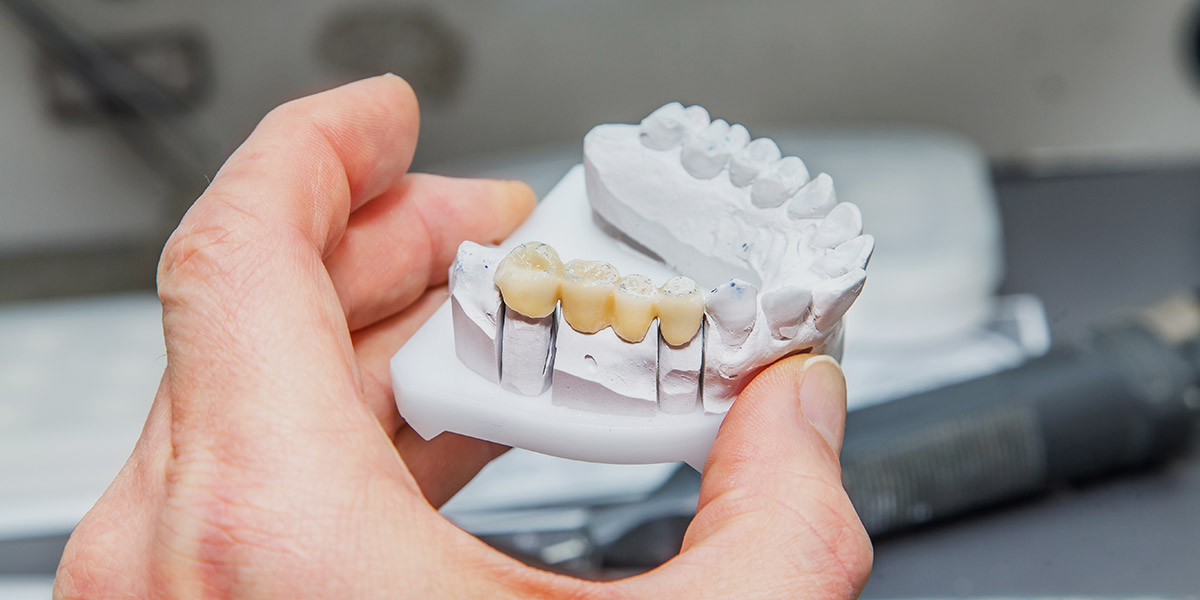
Dental laboratories play an important role in everyday dentistry, as they create the crowns, bridges, dentures, and implants that patients depend on. The quality of this work affects how well treatments fit, how long they last, and how happy patients are with the results.
In recent years, the way dental labs work has changed a lot, with new digital tools, rising costs, and global services all affecting the choices now available to dental practices. At the same time, factors like quality control, clear communication, turnaround times, and safety standards have continued to be crucial.
When deciding between UK and overseas dental labs, understanding how they operate can make a real difference. The choice you make at this stage will have a direct effect on how smoothly your practice runs, patient safety and satisfaction, and the long-term success of their treatment.
UK dental labs
UK dental labs provide a wide range of services to support dental practices, producing custom restorations such as crowns, bridges, veneers, and implant work using traditional techniques, digital processes, or a mixture of the two. Our work forms an essential part of day-to-day clinical dentistry.
Pros of UK dental labs
UK dental labs like GoDigital Dental offer several practical benefits for dental practices and patients. Being based in the same country makes communication more direct, which can help ensure instructions are clearly understood and reduce the risk of errors in case planning. It also makes it easier to contact when discussing adjustments or specific requirements.
We operate under UK regulations and professional standards, which provide a clear framework for quality, safety, and materials used, giving added reassurance that work is carried out in line with recognised expectations within UK dentistry.
Because international shipping is not involved, turnaround times are often quicker and easier to estimate for many types of work, especially routine cases. This helps keep treatment schedules steadier and enables faster responses when urgent cases or problems arise.
Cons of UK dental labs
Services from UK dental labs can sometimes cost more than other options due to local labour rates and materials. General running costs in the UK also affect lab prices, which vary depending on where the lab is located. The prices a dental practice pays a lab may then affect the prices they charge patients for treatment, which can be expensive.
Smaller or mid-sized labs may have less capacity in terms of the amount of work they are able to comfortably take on, which becomes more noticeable during busy periods. This may lead to longer waiting times for certain cases or less flexibility when handling high production volumes.
There can also be variation in the level of specialisation available between different UK labs. While many offer a wide range of services, some highly specialised or large-scale production needs may not always be as readily available in every lab.
Overseas dental labs
Overseas dental labs are based outside the United Kingdom, but still provide their services to dental practices in the UK, and many more countries. Their work includes designing and manufacturing dental appliances. Whilst they are operating in a different location, their core role of creating dental restorations remains the same.
Pros of overseas dental labs
The big draw of overseas dental labs is that they can offer cost savings for dental practices, helping them manage overall treatment expenses, often linked to lower labour and operating costs, plus differences in overheads such as facilities and staffing. These savings can make certain premium treatments more accessible or allow practices to offer a wider range of treatments to patients.
Many overseas labs also operate at a larger scale, which allows them to handle high volumes of cases in a structured, efficient way, and they also often have dedicated teams for different stages of production to streamline workflows and reduce delays. This type of setup can be especially useful for routine or repeat work that follows a fairly consistent process.
In some cases, overseas labs may give dentists access to a wider range of materials, techniques, or specialised services, which can be useful for practices seeking specific restorations or finishes that may not be easy to get locally.
Cons of overseas dental labs
Working with overseas dental labs can sometimes make communication direct, as differences in time zones, language, or working hours may lead to slower responses, which can be difficult when quick decisions are needed. As a result, instructions need to be very clear from the start, and follow-ups may take longer than expected.
Because deliveries are coming via international shipping, they may take several days. Customs checks, courier issues, or public holidays in different countries can cause delays, all of which can make it harder to keep treatment timelines steady and get restorations to patients within the agreed turnaround time.
If adjustments or remakes are needed, this can take longer due to the distance involved, as returning and resending items adds extra time and demands careful coordination.
There may also be differences in rules and standards between countries, and extra paperwork and checks may be needed, further delaying restorations getting to patients. This makes it especially important for practices to carefully check how materials are sourced, how restorations are made, and whether they meet UK requirements when they see a lab they might like to work with.
Risks of selecting wrong option
Choosing a dental lab without fully understanding how it meets your needs can lead to a range of problems for both the practice and patient. These risks can affect not only daily operations but also the quality and reliability of treatment results.
Some of the key risks include:
- Inconsistent quality of dental restorations, which affects fit, function, and appearance
- Delays in turnaround times, leading to longer treatment schedules and impacting patient satisfaction
- Communication issues that result in errors and/or remakes as a result of unclear instructions
- Problems with compliance or documentation, especially if standards are not clearly communicated or understood
- Increased costs over time due to adjustments, remakes, or workflow inefficiencies
- Disruption to practice efficiency, including missed deadlines
Being aware of these risks can help dental practices make more informed decisions when choosing a lab. Careful considerations at this stage can make all the difference to your experience of working with a lab.
How to decide between UK vs overseas dental labs
Choosing between a UK dental laboratory and one overseas involves understanding what is most important for a dental practice and its patients. There is no single option that works best in every situation, so the decision usually depends on a balance of clinical, practical, and financial factors.
Factors like the level of quality and consistency required, expected turnaround times, and how easily communication is facilitated all play an important role. It is also important to think about the type of work being carried out and whether any specialist requirements are involved.
Cost is clearly an important part of the decision, but it is usually considered alongside other factors rather than on its own, as different practices will be willing to pay more for different things. In addition, compliance with UK regulations and professional standards is important to ensure safety and consistency.
Ultimately, choosing a dental lab is a choice that directly affects how a dental practice runs and delivers care to its patients. Taking time to consider the factors that are most important to your dental practice, as well as finding the right balance between quality, reliability, and how smoothly the processes run day to day, can help achieve better results and a more efficient workflow.
FAQs
Are overseas dental labs suitable for urgent cases?
Overseas dental labs are generally not well-suited to urgent dental cases, as shipping times and customs processes can add unavoidable delays. Even when production itself is completed quickly, it can still take several days to transport the finished restoration between countries, which makes it difficult to meet tight deadlines for time-sensitive treatment needs.
Some overseas dental labs may still be able to manage urgent work, but this usually depends on careful planning and very clear communication in advance. Faster delivery options might be available in some cases, although these are not always reliable or consistent. For this reason, urgent cases are often better handled by a UK-based lab.
How can a practice ensure they are communicating effectively with their dental lab?
Effective communication with a dental lab can be ensured by using clear and consistent case submissions every time. This means providing complete patient information, precise instructions, and high-quality images or scans where needed. Keeping details organised and easy to understand helps the lab work more accurately and reduces the chance of errors or misunderstandings.
It is also important to build a regular feedback loop between the practice and the lab, including checking finished cases, talking through any issues that may have come up during the process, and agreeing on how to improve future work. Clear records of past communication can also help maintain consistency and strengthen working relationships.
What affects consistency in dental restorations?
Consistency in dental restorations is often shaped by how clearly a case is prepared before it reaches the lab. Small differences in records, scanning technique, or bite registration can lead to variations in the final outcome, even when the same type of restoration is requested. Care taken at the start of the process plays a key role in keeping results steady.
It is also affected by how closely the lab follows a repeatable method for producing work. Differences in technician skill, material choice, and internal checks can all influence the final result. When processes are not standardised, outcomes may vary more between cases.