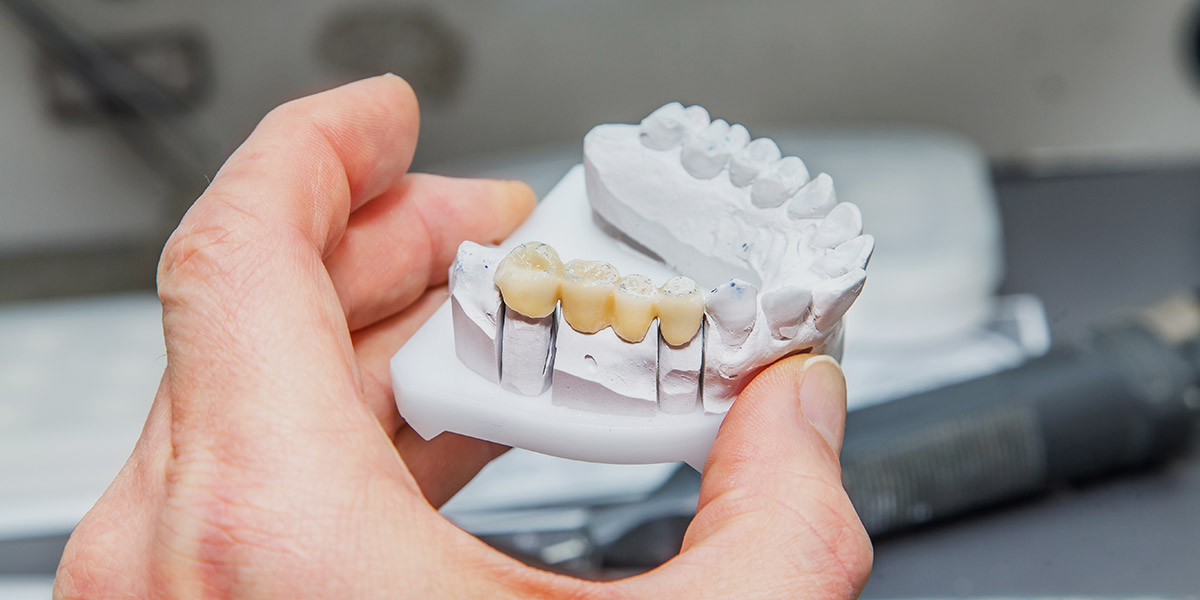
Dental implant treatment relies on everything being right from the very beginning. Each stage of implant case planning needs to be properly thought through before anything moves on, because what happens early on often shapes the outcome later. When something isn’t quite right at the start, it can quietly cause problems further down the line, even before the work has properly progressed.
Many problems start with seemingly simple things that are missed or misunderstood at the beginning and then quickly add up. Information may not be clearly shared, expectations may not align, and small communication gaps can appear. These early problems make the whole process more difficult to manage and slow everything down before it reaches the next step.
Using the wrong scan body (or using it incorrectly)
A scan body might seem like a small part of the process, but it plays a big role in getting things right. It helps transfer the exact position of the implant into a digital model, on which everything else is built. If the wrong scan body is selected or it isn’t used properly, the captured information can be off from the very beginning.
Problems often begin when a scan body does not match the implant system, or when a copy version is used that does not work as expected. Even with the right part, problems can happen if it is not fully seated. A small gap or slight angle may not be obvious at the time, but it can still lead to implant scan errors.
Orientation also matters more than it seems at first. If the scan body is turned incorrectly during scanning, the digital record will not show the true position. These can all lead to a restoration that does not fit properly and needs either extra adjustments or starting entirely over again.
Poor soft tissue management before impressions are taken
Getting good results from an impression depends a lot on the condition of the soft tissue at the time. When the gums are healthy and stable, it is much easier to capture clear and accurate detail. If the tissue is irritated or still healing, it can distort the area and make it harder to record what is actually there.
Issues like inflammation, bleeding, or soft tissue that keeps collapsing can all interfere with a scan or impression and hide important details or change the natural shape of the gums. Even small changes in the tissue can have a noticeable effect on accuracy and mean the final record may not fully match the real situation.
It also helps when the tissue has been guided into a stable and natural shape around the implant before the final impression is taken, as this gives a dental laboratory a clearer and more predictable outline to work from. Simple steps like allowing enough healing time, keeping the area clean, and making sure inflammation is under control can make a big difference to how reliable the final result is.
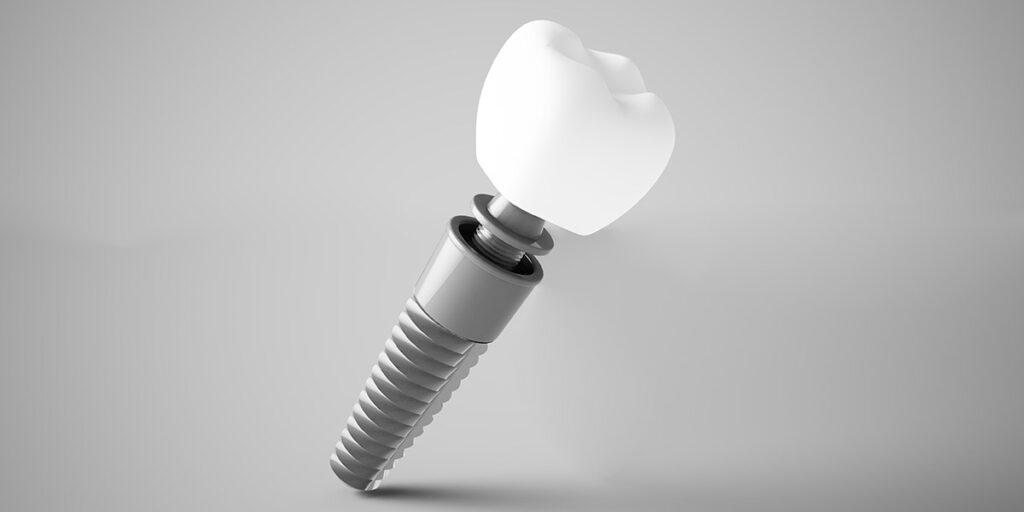
Missing or incomplete information
A dental implant laboratory relies on more than just an intraoral scan to produce a restoration that fits well and functions properly. The scan is important, but it only shows part of the picture. Without the supporting details, it can be difficult to fully understand the case, and that can lead to confusion or extra questions later on.
The most important information that should always be included:
- Implant manufacturer, so the laboratory can use the correct components and digital libraries that match the system.
- Implant system and platform, to make sure the right parts and design approach are selected from the start.
- Implant diameter and connection, so the size and fit are accurate and the restoration connects securely.
- Restoration type and material preferences, so it is clear what is being made and what materials are expected, helping guide the design and strength of the final work.
When even just one of these details is missing, the laboratory may need to stop and go back to request more information and, if the gaps aren’t filled quickly, decisions sometimes have to be made without full clarity. As well as slowing everything down and interrupting the workflow, this increases the chance of errors and affects how well the final restoration fits.
Incomplete clinical records
Good communication between the practice and the dental laboratory depends on having all the right information from the start. When something hasn’t been shared with the lab, it can slow everything down and create extra work that could easily have been avoided. Even small gaps in the records can lead to uncertainty and hold a case up while clarification and/or the missing details are requested.
Some of the most commonly missing items include:
Bite registrations: needed to understand how the upper and lower teeth come together.
Opposing scans or impressions: so the way the restoration meets the opposite arch can be properly checked.
Photographs: useful for showing the clinical situation and helping with clearer communication.
Shade information: helps match the restoration to the natural teeth more accurately.
Prescription details: explain exactly what is required and any specific instructions for the case.
Getting into the habit of using a simple checklist when preparing and sending cases can make a big difference, as it helps make sure nothing is missed and gives everyone more confidence that the information is complete, which keeps the process moving more smoothly.
| Patient information | Implant and clinical details | Models and records | Photos and X-rays |
| – Patient name, date of birth, and chart/ID number – Type of restoration (screw or cement-retained crown, bridge, or hybrid/All-on-X) – Material required (zirconia, PMMA, titanium, or lithium discilicate) – Stump shade, if needed, final shade, and any special characterisation requests | – Implant system (brand, platform size, and connection type) – Adbutment preference (stock, pre-milled, or custom CAD/CAM) – Appropriate lab and clinical prosethetic screws – Available occlusal space and interarch clearance | – Articulated upper and lower models with opposing arch – Digital workflow details – Digital scans (upper, lower, bite, and scan body) – Sofe tissue model or gingival mask, where required | – Frontal and profile smile photographs – Retracted views in bite and side view (with shade tab, if possible) – Periapical or bitewing X-rays to confirm fit and contacts |
Poor communication
Sometimes, a short conversation with the team at GoDigital Dental is all it takes to avoid confusion, and good communication can make all the difference in how smoothly an implant case progresses. When the clinician and the laboratory have the chance to discuss a case early on, there is less room for uncertainty later. It helps build a shared understanding of what is needed before work begins, rather than trying to solve problems once the case is already underway.
Explaining the treatment plan, sharing clinical photographs, or highlighting any areas of concern can give the laboratory a much clearer picture of the case. If there are specific expectations around the final appearance or function of a restoration, talking through these early helps make sure everyone is working towards the same goal.
Keeping communication clear and consistent throughout the process also makes it easier to address questions before they become delays and means both the clinician and the laboratory can make decisions based on the same information. This creates a more predictable workflow and gives every case the best chance of a successful outcome.
GoDigital Dental and you: working together for better implant outcomes
Good implant outcomes depend on everyone – dentist, laboratory, and patient – staying aligned from start to finish. When each stage is handled with care and a shared understanding of what is expected, the whole process is more likely to run smoothly and with fewer interruptions.
Keeping things consistent and well organised helps reduce avoidable implant workflow mistakes and keeps cases moving in the right direction. When communication and expectations stay clear throughout, it naturally leads to more dependable and predictable results for everyone involved.
FAQs
Why is planning so important for dental implant cases?
Planning is important because every stage of a dental implant case builds on the one before it. Taking the time to prepare properly helps everything run more smoothly, reduces the risk of unexpected problems, and gives everyone involved a clearer understanding of what needs to happen throughout the treatment process.
Good planning also makes it easier to spot potential issues before they cause delays or complications. It supports better communication, keeps the workflow more organised, and helps each stage progress with greater confidence. When everything is considered from the start, the chances of achieving a successful outcome are much higher overall.
What are the benefits of using genuine implant components?
Genuine implant components are made to fit the implant system they were designed for, helping everything work together as intended. This gives clinicians and laboratories greater confidence in the accuracy of the fit and supports a more consistent approach throughout the treatment process from the very beginning and throughout.
Using genuine components also eliminates compatibility problems that sometimes appear when using alternatives. Because genuine parts are specifically designed to work together, there is less uncertainty during planning and production, which supports a more efficient workflow, reduces the likelihood of unexpected adjustments, and helps achieve the results patients and clinicians are looking for.
How can practices make case submissions more efficient?
Practices can make case submissions more efficient by taking a little extra time to check everything before sending it to the laboratory. Making sure all the required records and information are included from the start helps avoid delays, reduces unnecessary questions, and keeps the case moving smoothly through each stage ahead.
Simple habits like using a pre-submission checklist, providing clear instructions, and sharing complete clinical information can make a big difference. When everyone has the details they need from the outset, the process becomes more efficient and predictable for everyone involved throughout treatment, and the laboratory is able to get on with the work with less risk of unnecessary interruptions.