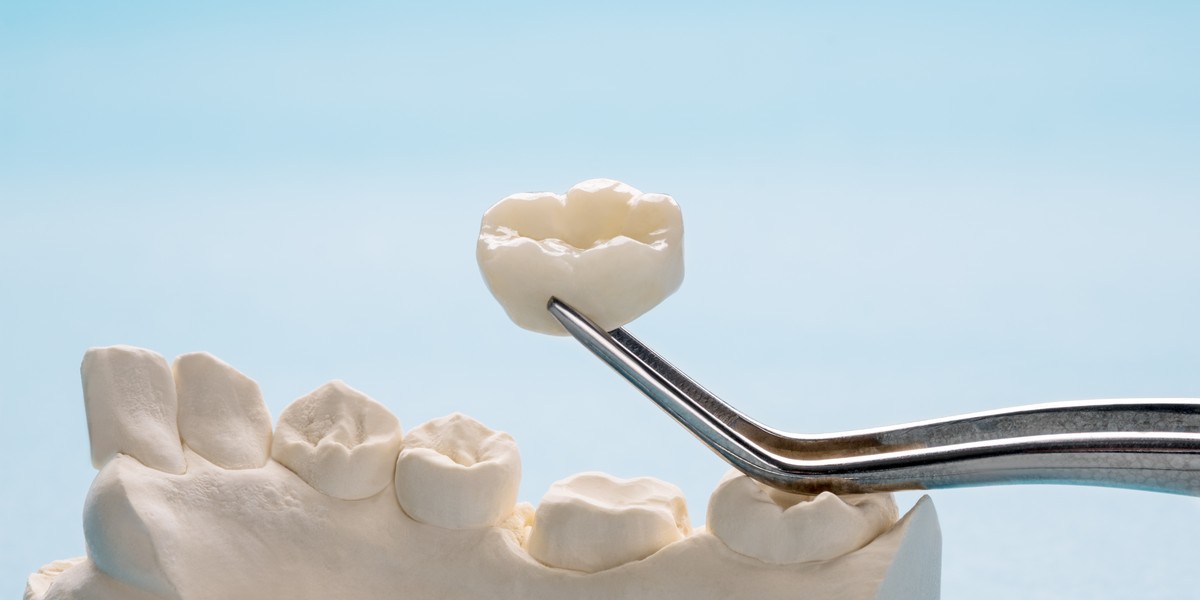
A confident smile often comes from the smallest details, and replacing a missing tooth can make a big difference. For many, the goal is to have a restoration that looks and feels as natural as possible, and that blends in so well with the surrounding teeth that it’s difficult to tell the difference.
Creating these results takes care, skill, and a real focus on achieving a lifelike appearance, with every step contributing to the overall implant crown aesthetics and helping the restoration sit comfortably with the rest of the smile. When everything comes together, people get the confidence to smile, speak, and go about their day with ease once again.
Why creating a natural-looking implant restoration is so important
When people think about a dental implant, it’s easy to assume that the goal is simply to match the missing tooth. However, the truth is that creating a natural-looking result involves much more than that. Because an implant restoration is obviously different from a natural tooth, it needs to be designed in a way that helps it sit naturally within the rest of the smile.
Rather than focusing on a single tooth, the very best implant restorations take the overall appearance into account. The restoration needs to look balanced alongside the neighbouring natural teeth, so it doesn’t draw attention or look out of place. When everything works together, the result looks and feels more natural and comfortable.
This is where close collaboration between the dental laboratory and clinician makes a real difference. By working together throughout the process and sharing information in a timely and professional manner, the decisions made will be in order to achieve the best possible aesthetic outcome. Their combined expertise enables them to create restorations that fit seamlessly with the surrounding smile while still meeting each patient’s needs.
Designing the emergence profile
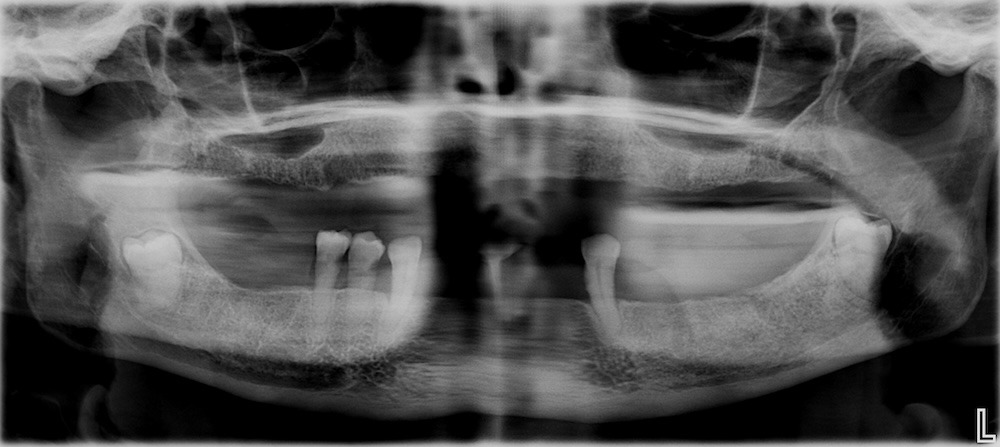
The emergence profile is the way a tooth restoration rises out of the gum. This might sound like a small detail but, because it shapes the transition between the implant and the visible tooth, it has a significant effect on the appearance of the final implant.
When this area is shaped well, the tooth appears to grow naturally from the gum. If it is not quite right, the result can look uneven or out of place next to the surrounding teeth. Getting this balance right, especially for anterior implant restorations that will be highly visible, helps everything sit more comfortably within the smile.
To guide the design, dental technicians rely on impressions or digital scans to give a clear picture of the mouth, including the teeth and gum shape, so the restoration can be planned to fit in as naturally as possible.
Temporary restorations are sometimes used to gently influence how the gum tissue settles. They give the soft tissue an opportunity to adjust gradually and help create a more natural-looking contour before the final restoration is fitted.
Supporting the gums in this way is also important for long-term comfort and stability. Well-supported soft tissue is more likely to stay healthy and maintain its shape around the implant over time.
Achieving precise shade, shape, and surface textures
Getting a natural result is all about the small details. Shade, shape, and surface texture all need to work together so the restoration doesn’t stand out, but instead blends in with the teeth around it.
Technicians spend time looking closely at how natural teeth appear in different light and from different angles. They focus on:
- Translucency: how light passes through the tooth, especially towards the edges, which can help them make restorations look more lifelike
- Value: how light or dark the tooth looks overall
- Characterisation: the subtle variations in colour and detail that make a tooth unique
The shape and surface of the tooth are just as important as its colour. These details help the restoration feel more natural in the mouth. Key points include:
- Tooth morphology: the overall shape and proportions of the tooth, and how it sits in the smile
- Surface texture: the fine details like gentle ridges and natural wear that affect how light reflects off the surface
Clinical photographs, shade guides, and shade maps all help technicians to build a clear, accurate picture of the natural tooth, and digital tools can also help improve communication and make it easier to share details to ensure the final result matches the surrounding teeth as closely as possible.
How custom abutments improve aesthetics and fit
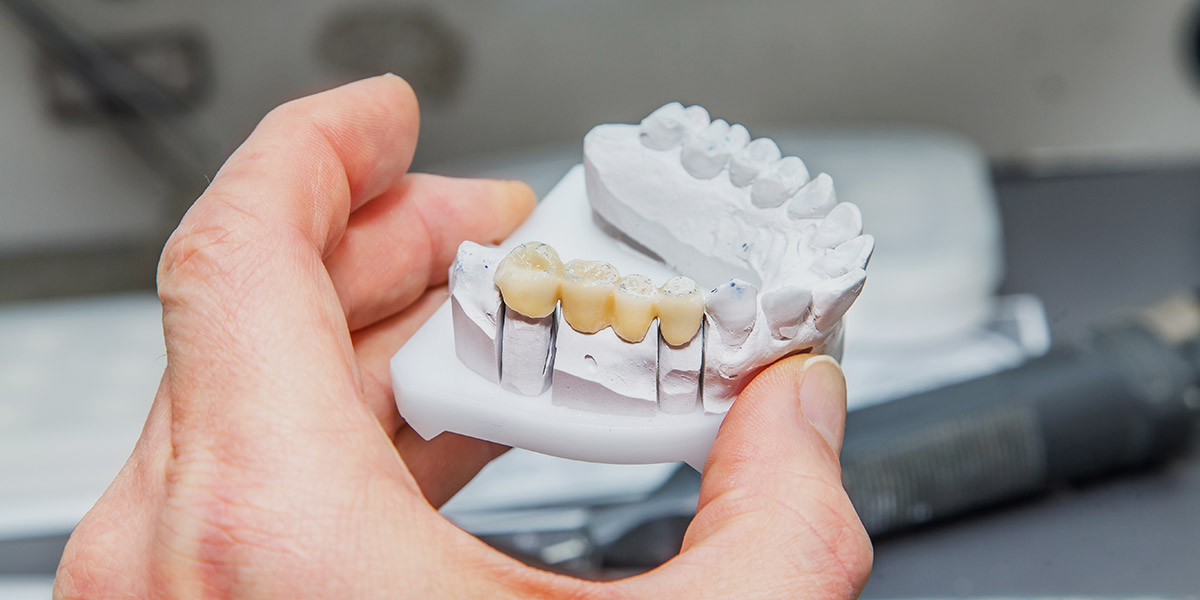
An abutment is the part that connects a dental implant to the final restoration. Unlike a stock option, a custom abutment is made specifically for each individual patient, which offers a more precise fit and gives the dental laboratory and clinician greater flexibility to create the best result possible.
Custom abutments also play an important role in supporting the gum tissue around the implant. By providing the right shape beneath the restoration, they help the soft tissue form a smoother, more lifelike contour that allows the restoration to blend in more comfortably with the neighbouring teeth.
They also make it easier to position the final crown correctly, as supporting the crown in the right place and creating a natural transition from the gum to the visible tooth help produce a balanced result that sits naturally within the rest of the smile.
The choice of abutment material is another important consideration, with the most commonly used being titanium, zirconia, gold, as well as hybrid combinations. Different materials offer different qualities, so the most suitable option will depend on the individual needs of the case. Choosing the right material helps create a restoration that not only functions well but also looks as organic as possible.
The techniques behind natural implant restorations
Creating a natural-looking implant restoration takes a combination of modern technology and skilled craftsmanship. Every stage of the process at an implant laboratory contributes to producing a final restoration that looks natural, fits comfortably, and performs well over time.
Digital smile design and CAD/CAM workflows
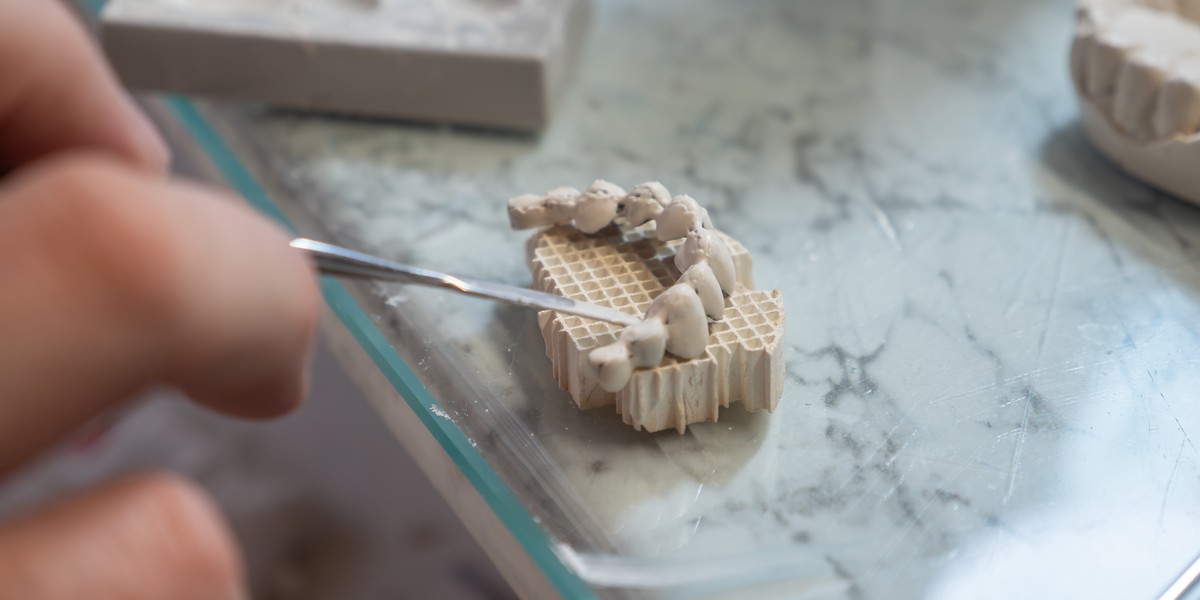
Dental laboratories use digital smile design and CAD/CAM technology to plan and produce implant restorations of the best quality. Working from detailed digital scans and clinical information, technicians are able to design and produce restorations that fit accurately and blend in seamlessly with the rest of the teeth.
Layering ceramics and staining techniques
Once the restoration has been physically produced, specialist ceramists use ceramic layering and staining techniques to add depth, texture, and subtle colour variation. These finishing touches, part of implant shade matching, help recreate the characteristics of a tooth and give the implant a more lifelike appearance.
Quality control and fit verification
Before a restoration leaves the laboratory, it is carefully checked to make sure it meets the required standards. Technicians take the time to assess the fit, finish, and overall appearance and make any final refinements where needed to ensure a high-quality result for the patient.
Throughout the process, technicians also need to balance appearance with strength and everyday function. A restoration should blend naturally within the smile, but it also needs to be durable enough for daily use and comfortable within the bite. While digital technology has improved accuracy, it is still a technician’s experience, judgement, and attention to detail that make the biggest difference to the final result.
GoDigital Dental: where every detail matters
At GoDigital Dental, we know that achieving a natural-looking implant restoration comes down to the care taken throughout the entire process. Every case is approached with close attention to detail, combining digital technology with skilled craftsmanship to create restorations that look, feel, and function as naturally as possible.
We work closely with clinicians to understand the needs of each case, helping to produce implant restorations that fit accurately and blend seamlessly with the surrounding smile. By focusing on quality, precision, and collaboration, we aim to deliver consistent results that benefit both clinicians and their patients.
Whatever the complexity of the case, we’re committed to providing the same high standard of support and workmanship from start to finish.
FAQs
How long does it take to make a dental implant?
The time needed to make a dental implant varies depending on the individual case and the treatment plan. The implant itself is placed before the final restoration is made, allowing the area to heal properly first. This stage can take several weeks or months, depending on healing and clinical requirements.
Once healing is complete, the dental laboratory creates the final restoration using the information they have been provided by the clinician. The overall timescale depends on each stage progressing as planned and on whether any additional appointments or adjustments are needed. A clinician will explain the expected timeline for a patient’s individual treatment before starting.
Are digital scans better than traditional impressions for implants?
Digital scans are widely used for implant treatment because they can capture detailed information about the teeth and surrounding tissues without traditional impression materials. They are often more comfortable for patients and allow information to be shared quickly with the dental laboratory for planning and creating the restoration.
Traditional impressions are still used in many cases, and both methods can work well when taken correctly – the best option simply depends on the individual situation and the clinician’s preference. With good communication between the clinician and the laboratory, either approach can support an accurate fit and a well-made final restoration.
Do all dental laboratories offer custom implant restorations?
Not every dental laboratory provides custom implant restorations, as this type of work requires specialist knowledge, equipment, and close coordination with clinicians. Some laboratories focus on more general dental work, while others are set up to handle more detailed implant cases that need careful planning and a tailored approach.
Where custom implant restorations are offered, the process usually involves regular communication with the clinician and careful attention to each stage of the case. This can include reviewing scans, discussing design details, and making adjustments to suit the patient’s needs. Because services vary, clinicians choose laboratories that best fit the requirements of each case.