Full-mouth rehabilitation can make a real difference to a person’s smile, confidence, and everyday comfort. With advances in dental technology, the process of planning and carrying out complex treatments has become more precise and patient-friendly. Digital teeth impressions are helping to transform the way dental care is approached by offering a more comfortable and efficient experience.
Digital solutions give dental professionals the ability to create a clearer picture of a patient’s needs, as well as support careful planning and help ensure that treatments are designed with accuracy, comfort, and long-term results in mind.
Types of full-mouth restorations
Different types of restorations are used for full-mouth rehabilitation, and the best option will depend on the condition of the teeth, the patient’s needs, and the overall treatment goals. Each restoration has a specific role, and a combination of treatments may be used to help restore strength, appearance, and function across the mouth.
Crowns
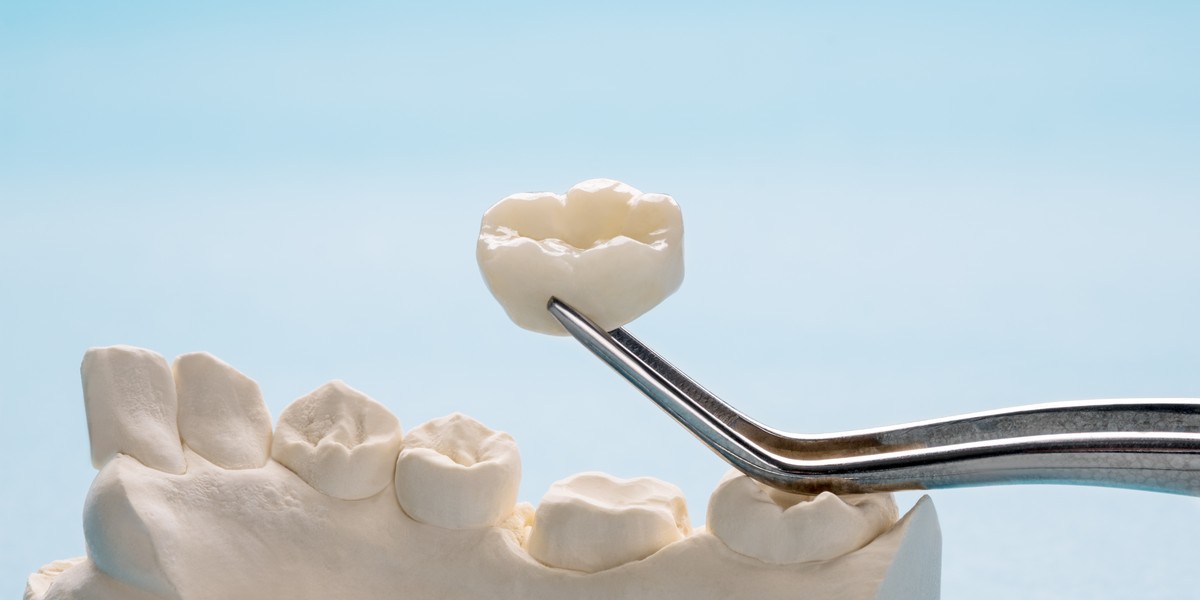
Dental crowns are used to cover and protect teeth that have been weakened or damaged, as well as teeth that have undergone heavy restorative treatment like a root canal. Crowns can be used on multiple teeth to improve strength and shape, and help create a more balanced bite.
Bridges
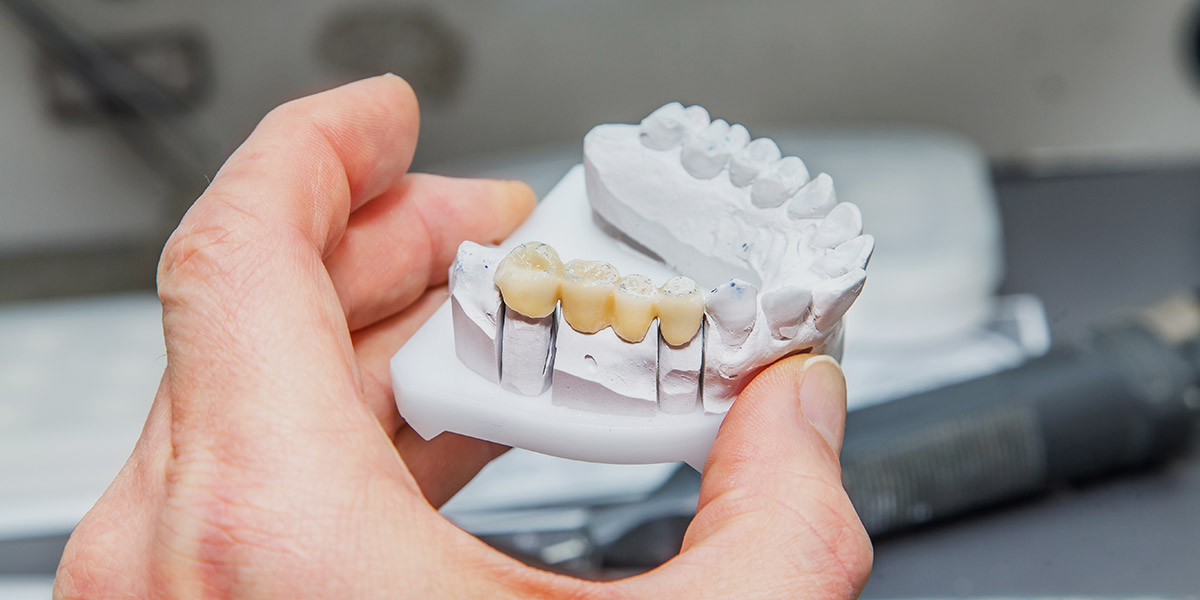
Dental bridges help restore gaps within the smile, improve chewing function and maintain the position of surrounding teeth. They can replace one or more missing teeth by using neighbouring teeth or dental implants as support.
Veneers
Dental veneers are thin coverings placed over the front surface of teeth to improve their appearance. They may be included in a rehabilitation or cosmetic dentistry plan where changes are needed to the tooth shape, colour, or overall smile aesthetics.
Dental implants
Supported directly within the jaw, dental implants can be used to replace individual teeth or support larger restorations as part of a wider rehabilitation plan.
The best option for full-mouth rehabilitation will vary from person to person. Careful assessment helps determine which combination of treatments is most suitable for creating a functional and balanced result.

Why full-mouth rehabilitation demands a different level of digital case capture
Full-mouth rehabilitation is a complex process that involves more than restoring individual teeth. Unlike a single restorative case, it requires an understanding of how different parts of the mouth work together and how changes in one area can affect the overall result. Careful planning is needed to create a treatment approach that supports both appearance and function.
A number of important factors need to be assessed together, including:
- Occlusion: how the teeth come together when biting and chewing
- Aesthetics: the appearance of the smile, including tooth shape, size, and balance
- Vertical dimension: the relationship between the upper and lower jaws and the available space for restoration
- Tooth position: the location and of teeth within the mouth and how they align
- Function: how the teeth, jaw, and surrounding structures work during everyday movements
Having clear digital records before treatment starts helps create a better view of the patient’s oral health. This information supports better planning by showing how different factors work together, helping to guide a treatment plan that is carefully suited to the individual patient’s specific needs.
Building a digital blueprint for complex restorative decisions
Digital records play an important role in helping clinicians and technicians plan complex restorative treatments with greater clarity. With a digital view of the case before treatment begins, the team can explore the expected outcome, consider different possibilities, and make informed decisions at an earlier stage.
This information can help guide choices around restoration design, the order of treatment steps, and the overall strategy for managing the case. Having a clear plan in place allows each part of the process to be considered carefully rather than making changes only when problems arise.
A digital plan acts as a clear guide throughout the treatment process, helping to keep choices consistent, improve communication between parties, and also provide a structured approach to reaching the desired outcome that is easily accessible throughout the workflow.
| Challenge | Digital solution | Benefit |
| Complex diagnostics and anatomy | 3D imaging and scans | Provides highly detailed, 3D anatomical models that allow clinicians to rotate and see structures from all angles. |
| Treatment planning and interdisciplinary care | Cloud-based records and digital smile design | Allows all specialists to securely access patient data in real-time, share scans instantly, and co-design an end result. |
| Precision restorations | CAD/CAM technology | Eliminates the shrinkage and voids of traditional impressions, allowing for precise design and milling to create accurate-fitting restorations. |
| Surgical accuracy | Computer-guided surgery | Merges intraoral scans with CBCT data to create custom-made surgical guides for minimally invasive dental implant placement. |
| Patient understanding | Visual patient simulations | Clinicians can show patients 3D models and digital previews on a screen, helping them visualise expected outcomes and feel confident about their care. |
Capturing the details that influence the final rehabilitation outcome
In complex rehabilitation cases, there is more to consider than just creating an accurate impression of the teeth. A successful outcome depends on understanding the many details that influence how the mouth looks, feels, and functions as a whole.
Digital records show how the teeth, soft tissues, bite, and facial features relate to each other. This helps clinicians better understand how restorations should be designed so they fit together and suit the patient’s natural appearance.
When several restorations are planned, even small details can affect the final result, and things like tooth position, bite contact, and how restorations work together can influence comfort and function over time. Recording these details early in the process helps create a more careful approach to the final rehabilitation. It also gives the team useful information to guide decisions throughout the full treatment journey.
Reducing uncertainty during multi-stage restorative treatment
Full-mouth rehabilitation is usually carried out over a number of stages, with different appointments needed for planning, provisional restorations, try-ins, adjustments, and final changes. Each step plays an important part in making sure the treatment develops in the right direction.
During a longer treatment process, detailed digital records help provide a consistent point of reference. They allow clinicians and technicians to check progress, review previous information, and make sure that each stage continues to follow the planned approach.
Having reliable reference data helps reduce uncertainty and supports better decision-making. Instead of having to reassess everything again from the start at every stage, the team can easily access the information they need to guide refinements and maintain continuity as the case progresses.
Creating a more connected approach to modern full-mouth rehabilitation
Digital workflows are helping to create a more joined-up approach to full-mouth rehabilitation by making it easier for dentists and laboratory teams to work from the same information. This shared approach allows everyone involved to have a clearer understanding of the treatment plan and the expected outcome from the beginning.
By using shared digital records, clinicians and technicians can communicate more effectively and make decisions based on the needs of each individual patient. Their combination of clinical knowledge and technical skills, help create restorations that are planned around the patient’s own requirements.
The foundation of a successful rehabilitation is built before any restoration is created. Capturing the right information at the start of the process gives the team the detail needed to plan carefully, manage each stage effectively, and work towards a predictable final result.
GoDigital Dental: Turning digital records into predictable restorative outcomes
We at GoDigital Dental know that complex restorative cases involve more than creating individual restorations. As a digital dental lab, we work with clinicians to turn detailed digital records into carefully considered solutions for full-mouth rehabilitation.
By combining digital workflows with laboratory expertise, we help connect the initial treatment plan with the final restoration. This means each stage follows the overall needs of the case, instead of looking at each part on its own.
A strong digital foundation helps make complex cases simpler to manage and plan. With clear information and good teamwork, clinicians can work with more confidence and create results that are designed for each patient.
FAQs
When is full-mouth rehabilitation needed?
Patient details are stored securely by dental practices and laboratories using protected digital systems. Access to records is restricted to authorised team members who need the information to provide treatment, while measures like secure logins and protected networks help keep patients’ information safe and reduce the risk of their details being accessed by those who shouldn’t be able to.
When patient information needs to be shared between a dental practice and a laboratory, secure methods are used to protect it during the process. Dental teams also follow data protection requirements and clear procedures for managing records, helping to keep personal information private throughout every stage of treatment.
How are patient details stored securely by labs and dental practices?
Patient details are kept secure by dental practices and laboratories using systems designed to protect personal information. Digital records are stored on secure platforms, with access limited to authorised team members who need the information for treatment purposes. Security measures help prevent unwanted access and protect patient privacy.
Dental teams and laboratories also follow data protection guidelines when handling patient records. This includes using safe ways to store, share, and manage information throughout treatment. Careful processes help ensure that patient details are only accessed when needed and remain protected when being used between dental professionals and laboratory teams.
What factors affect the success of a full-mouth rehabilitation?
The success of a full-mouth rehabilitation depends on many different factors working together. Careful planning, healthy teeth and gums, and well-designed restorations all play an important role. Each part of the treatment needs to fit comfortably and function properly to achieve a balanced and long-lasting result for every patient.
The patient’s individual needs and treatment goals are just as important. Throughout the process, careful attention to detail, regular reviews, and any necessary adjustments help keep treatment on track. Taking a considered approach at every stage supports a result that looks natural, feels comfortable, and functions well over the long term.