Dental technology is constantly evolving, helping to make implant restorations more comfortable, efficient and predictable. Digital scanning has become an important part of this progress, offering a simpler way to gather detailed information and support the planning process. By improving accuracy and helping create a smoother experience, it is helping to raise the standard of care for patients.
For anyone considering implant restorations, knowing that the process is supported by modern technology can provide greater confidence. Digital scanning implants, alongside other methods throughout the process, can make each stage easier to manage, from the initial planning through to the final result. As these advances continue, they are helping dentists provide outcomes that are both functional and natural-looking.
The role of digital scanning in accurate implant planning
Digital scanning plays an important role in helping to plan implant treatment with a clear understanding of each patient’s needs. By creating a detailed picture of the treatment area, scans give clinicians valuable information to guide the planning process and make informed decisions before treatment begins.
The information from digital scans helps assess key areas such as where an implant can be placed, the space available for the restoration, how the teeth meet when biting, and the surrounding structures. Having this level of detail allows the treatment plan to take the full picture into account and helps avoid relying on estimates or assumptions.
With the information available from the start, and easily storable, digital scanning can help support a more predictable approach to implant restorations. Careful planning based on detailed scans helps ensure the final result is designed to work well within the patient’s mouth and support long-term function.
Capturing precise implant positions for predictable restorations
Getting an accurate record of an implant’s position is an important step in creating a successful restoration. Details such as where the implant sits, how deep it is placed and its angle can all affect how the final restoration is designed and how well it fits.
Digital implant scanning captures this information in a clear and reliable way, reducing some of the errors that can occur with traditional impression techniques. By recording the implant position digitally, clinicians can access detailed information that supports every stage of the implant workflow.
Accurate scan data also supports the design and production of implant-supported prosthetics. With a precise digital record to work from, restorations can be planned and created to achieve a closer fit, helping support reliable function and a natural result.
Designing natural emergence profiles using digital scan data
The emergence profile plays an important role in how an implant restoration looks, feels and functions. A well-designed profile helps the restoration sit naturally within the gum line, creating a smoother transition between the implant and the visible tooth. It can also support easier cleaning and help maintain the health of the surrounding tissues.
Digital scans provide a detailed view of the soft tissue around the implant site, capturing the natural contours and shape of the gums, which gives the dental team a clearer understanding of how the restoration needs to be designed in order to make sure it fits comfortably within the surrounding area.
Dental laboratories then use the information from the scans to design and manufacture restorations that closely match the shape and appearance of natural teeth. By considering the individual contours of the implant site, they can develop restorations that blend with the existing teeth while supporting a comfortable and functional result.
Improving prosthetic fit through digital implant workflows
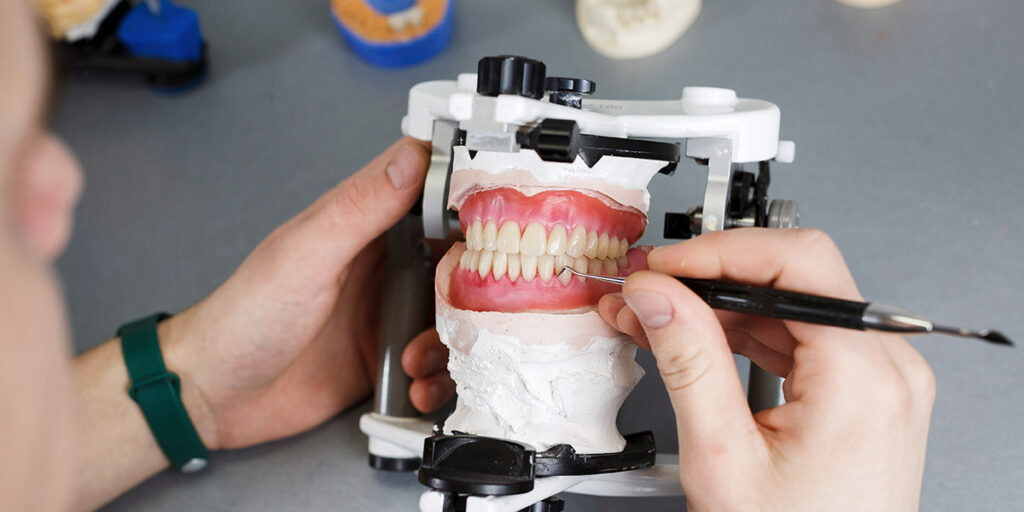
A successful implant restoration depends on how well it fits, and digital workflows are helping to make the whole process more accurate. The detailed information captured during digital scanning is used with CAD/CAM technology to design and manufacture restorations that closely match the planned shape and position, supporting a precise fit from the outset.
This approach can be used for a range of implant-supported restorations, including single crowns, bridges and full-arch restorations. Because the design is based on accurate digital data, the finished restoration is better suited to the implant and the surrounding teeth, helping it feel more natural and function as intended.
A more accurate fit can also improve the way the teeth meet when biting, creating a more balanced result. As the restoration often requires fewer adjustments when it is fitted, appointments can be more straightforward while still achieving a comfortable, stable and long-lasting outcome.
Reducing complications with more predictable implant restorations
Creating a successful implant restoration starts with having accurate information. Digital scanning provides a detailed record of the treatment area, giving the dental team and laboratory a reliable foundation to work from. With a clearer understanding of the implant site, it becomes easier to plan and produce restorations that fit and function as intended.
Greater precision throughout the process can help reduce the risk of issues such as:
- Restorations that do not fit as expected.
- Bite problems that affect comfort or everyday function.
- A result that does not blend naturally with the surrounding teeth.
- Small gaps that can make the restoration harder to keep clean.
- Uneven pressure on neighbouring or opposing teeth.
- Extra adjustments during the fitting appointment.
- Delays caused by having to remake or modify the restoration.
When every stage is guided by accurate digital information, the overall process becomes more predictable. This can help produce restorations that are comfortable, stable and designed to perform well over time, supporting the long-term success of implant treatment.
Building better implant outcomes with digital scanning
Digital scanning is changing the way implant restorations are planned and delivered, helping to create a smoother and more efficient process for both clinicians and patients. With accurate digital information available from the start, every stage of the restorative journey can be approached with greater confidence, supporting outcomes that are reliable, functional and natural-looking.
At GoDigital Dental, we provide high-quality digital scanning services to support implant restorations of all types. We deliver accurate, reliable scan data that fits seamlessly into our partner practices’ workflow, helping them plan and carry out treatment with confidence.
By combining advanced technology with a straightforward, collaborative approach, we aim to make the restorative process easier while supporting long-term success for every implant restoration.
FAQs
How does CAD/CAM technology work with digital scans?
CAD/CAM technology uses information collected from digital scans to design and produce implant restorations with a high level of accuracy. The scan is used to create a detailed digital model that allows the restoration to be planned carefully before it is manufactured. This helps achieve a precise fit while supporting quality throughout production.
Once the digital design is complete, CAD/CAM systems manufacture the restoration using the approved specifications. Because the process is based on detailed scan data, the finished restoration closely matches the planned design. This supports a reliable fit, comfortable function and a natural appearance while reducing the need for adjustments later.
What information does a digital implant scan collect?
Digital implant scans collect detailed information about the teeth, gums and surrounding oral structures. They also record the position, shape and spacing of the treatment area, creating a clear digital model that helps clinicians plan implant restorations with greater confidence before treatment begins or restorations are designed and manufactured accurately.
Depending on the individual case, digital scans can also capture the natural contours of the surrounding soft tissue and show how the teeth meet when biting. This information helps guide treatment decisions and supports restorations that fit comfortably and function naturally within the patient’s mouth over the long term.
Can digital scanning improve the appearance of implant restorations?
Digital scanning can help improve the appearance of implant restorations by capturing detailed information about the teeth, gums and surrounding tissues. This gives the dental team a clearer picture of the treatment area, helping them design restorations that blend more naturally with the existing smile and look balanced from every angle.
The detailed scan data also helps dental laboratories create restorations that closely match the surrounding teeth. By taking the shape of the teeth and gums into account, they can produce results that look more natural, feel comfortable and fit seamlessly within the patient’s smile for many years ahead.