A great restoration starts with a good working relationship between a dental practice and their laboratory. When a case is clearly understood from the beginning, it’s much easier for the laboratory to produce a restoration that matches what the clinician is looking for. Spending a little extra time on dental laboratory communication at the start can save time and frustration later on.
Good communication also helps the laboratory work with more confidence rather than having to make assumptions along the way. When everyone is on the same page, the whole process is likely to run more smoothly, with fewer delays, fewer adjustments, and better results for both the clinician and the patient.
Every restoration starts with the prescription
Before any restoration can be designed or manufactured, the dental laboratory needs a clear understanding of the case. The prescription is where that information is recorded, giving the technician the clinical instructions needed to carry out the work correctly. It also creates a record of what has been requested, which helps make sure the restoration is produced as intended and in line with the dentist’s and patient’s requests.
Every detail included on the prescription helps build a clearer picture of the case, so the more accurate and complete the information is, the easier it is for the lab to make informed decisions. This also allows technicians to focus on producing the restoration rather than having to interpret incomplete instructions.
What might look like small gaps in the dental lab prescription can leave important questions unanswered. If details are missing or open to interpretation, the lab may need to contact the practice before work can continue, so good dentist technician communication from the outset helps avoid unnecessary interruptions and gives the laboratory the information it needs to keep the process moving.
Beyond the impression: the details that make the difference
Impressions give the laboratory a starting point, but they rarely show everything that is needed to fully understand a case. Extra details from the surgery help fill in the gaps and give a clearer idea of how the restoration should look and function in the mouth.
Alongside the impressions, the following information can help guide decisions during design and manufacture:
- Clinical photographs: Photos taken in the surgery help show how the teeth sit in the mouth and how they relate to the surrounding smile. They are useful for understanding positioning, wear, and overall appearance from different angles.
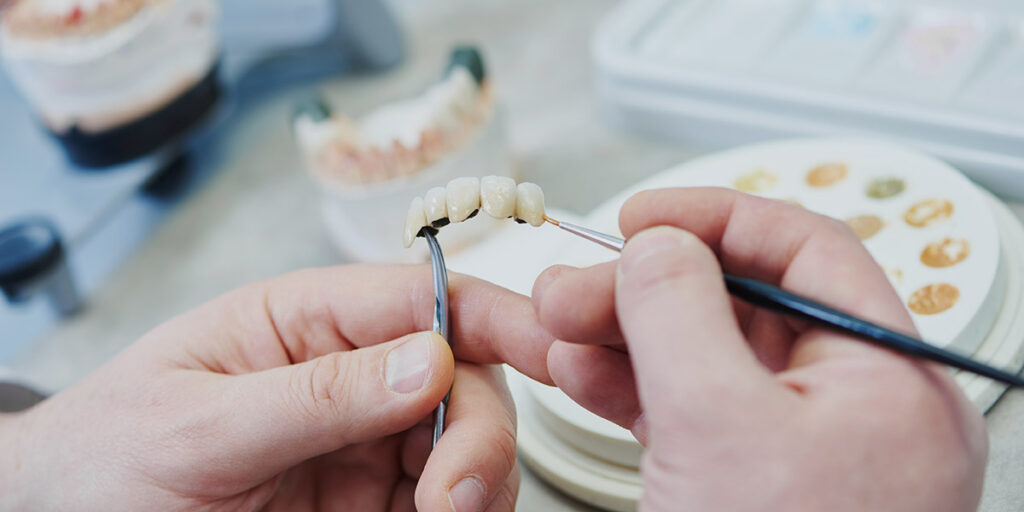
- Shade mapping and characterisation: Basic shade information is important, but notes on subtle variations can be just as helpful. Small details like changes in colour, translucency, or surface texture can make a big difference to how natural the final result looks.
- Occlusal records: These records help show how the upper and lower teeth come together and support the lab in checking that the restoration will fit comfortably within the bite and function as expected.
- Soft tissue information: The way the gums and surrounding tissue are shaped can also influence how a restoration is designed. Information about these areas helps the laboratory create a better emergence profile and overall fit.
- Patient expectations: A clear idea of what the patient is hoping for can help guide decisions around appearance. This is particularly important for restorations that will be part of the visible teeth in a patient’s smile, where small changes can have a noticeable impact on whether or not an artificial tooth blends in as it should.
When these details are shared alongside the impression, the laboratory has a much clearer picture of the case and can make informed decisions while they are working.
Different restorations need different information
Not every case needs the same details, and the information we need at GoDigital Dental will depend on the restoration being made. When the details match the clinical situation, it becomes easier to plan and produce a restoration that both looks and functions as expected.
Crowns
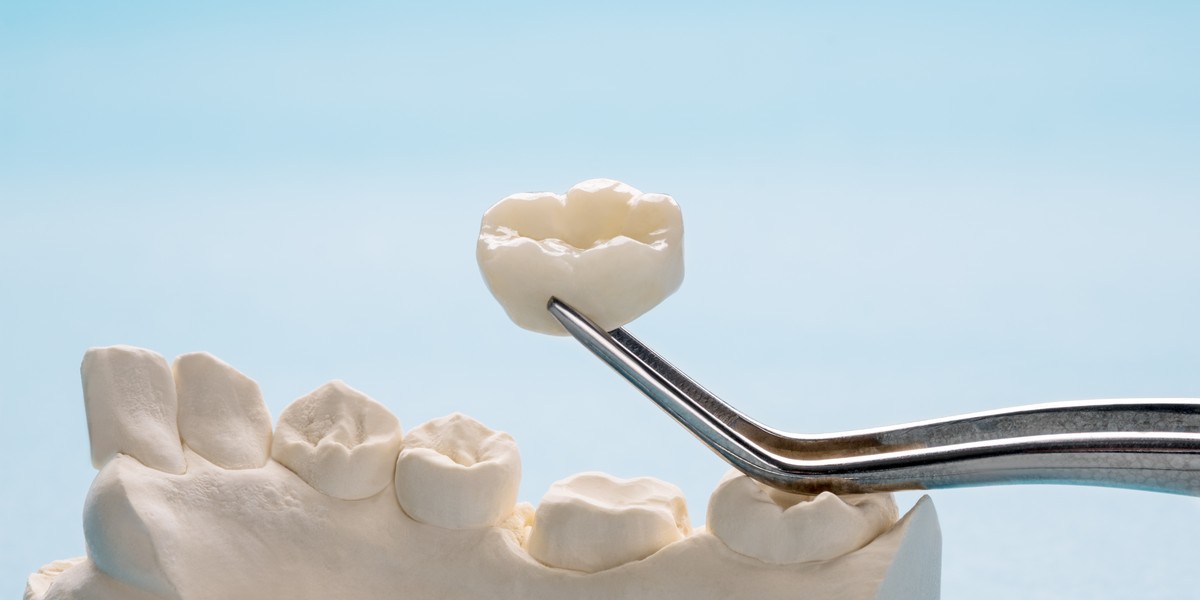
For crowns, we need a clear idea of how the tooth has been prepared and how it will work within the bite. The preparation shape and available space help guide the form of the final restoration, whilst occlusal information ensures it will be comfortable once fitted. The choice of material also affects how the crown is designed, as different materials behave in different ways during production and fitting.
Bridges
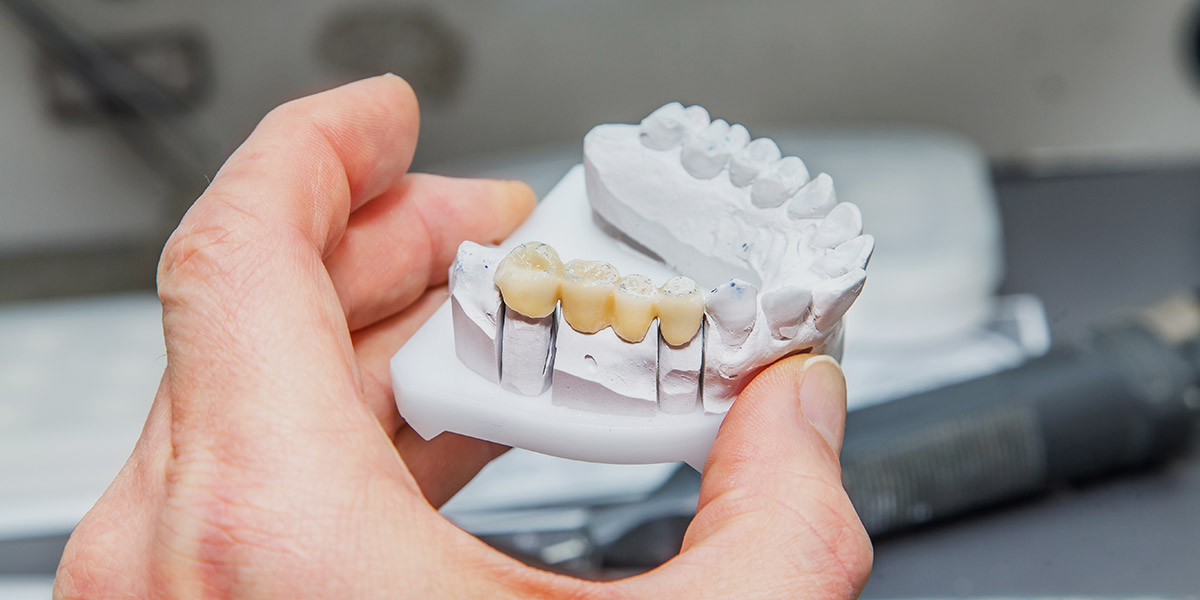
With bridges, the focus shifts more to how the replacement tooth will sit within the gap and interact with the surrounding tissues in the mouth. The shape of the pontic and how it meets the gum tissue can influence both appearance and comfort, and the distance between supporting teeth also needs to be considered, as this affects strength, support, and overall design.
Veneers
The majority of veneer cases are driven by appearance, so visual detail plays a huge part in their planning. Information about the desired smile shape and proportions helps guide the overall look, while subtle notes on colour and translucency can make a big difference to how natural the result appears. The preparation approach also has an impact on how thin or layered the final veneers are.
Implants
Implant cases rely on getting the technical details right from the start so everything fits together as it should. We need to know which implant system and components have been used to ensure everything is compatible. The emergence profile is also important, as it affects how the restoration looks and how well it holds up over time. Details of the surrounding gum shape and tissue contours also help us shape something that sits comfortably and looks natural in the mouth.
Having an idea of the different information required for restorations helps you send us the right details from the start, helping the restorative workflow run as smoothly as possible and reducing the need for changes later on.
Planning for the end result, not just the restoration
A good result depends on knowing what the finished tooth needs to achieve in the mouth, not just how it fits on a model. When the laboratory understands the end goal, it can make better decisions during design.
Some cases focus more on function, where strength and reliable bite performance are key. Others are more about appearance, where colour, form and surface detail matter most. Many sit between the two, so knowing the balance helps guide the approach.
It also helps to consider how the restoration will sit next to the surrounding teeth. Subtle differences in shade or shape can stand out, so careful matching helps the result look more natural.
Designing with long-term use in mind is just as important as achieving a good fit. A restoration built for durability is more likely to perform well over time with fewer adjustments needed.
Saving time, reducing remakes, and improving results
A lot of delays in lab work come down to small things being missed at the start. It might not seem like much at the time, but having the right details upfront helps avoid back-and-forth later on.
A simple checklist can help make sure nothing important is missed, including:
- Up-to-date shade information, including any variations within the tooth
- Clear bite records, so the way the teeth meet is easy to understand
- Opposing arch records, where needed
- Notes on anything unusual, such as wear, spacing, or tooth position
- Material choice and any specific preferences
- Correct contact details, incase anything needs checking
This information helps the laboratory keep the case moving, reduces queries during production, and lowers the chance of changes being needed at the fit stage. This, in turn, makes the whole process smoother for everyone involved, including the patient.
| Missing detail | Consequence |
| Shade | Lab forced to guess shade or hold case until dentist can be reached |
| Material and design specifications | Guesswork when it comes to exact metal, resin, or ceramic type, or incorrect thickness parameters |
| Delivery date | Lab cannot accurately prioritise queue of work |
| Margin/occlusal markings | Technician has to estimate the margins or rely on ambiguous markings |
| Patient details | Lab cannot cross-reference the impression with the patient’s medical and personal profile |
Helping us at GoDigital Dental to deliver our best work
At GoDigital Dental, the work always runs best when we have a clear understanding of the case from the start. When the key details are in place, we can focus fully on the technical side of the restoration without needing to pause to fill in gaps or second-guess what’s required.
That clarity helps us keep a steady, consistent approach across every case and put more attention into the finer details that matter at the end. It means we can spend our time refining the result so it works well in the mouth and feels right for the patient.
FAQs
What shade information is most useful for the lab?
Accurate shade information helps the dental laboratory match the restoration to the surrounding teeth. A basic shade guide choice is useful, but it becomes more reliable when it is supported by extra details like translucency, surface texture, and information about any variation across the tooth. Photos showing the shade tab next to the tooth are especially helpful.
It also helps to note if the tooth looks slightly lighter or darker than the chosen shade tab, and photos showing the shade tab next to the tooth are especially helpful. When this information is clear and consistent, the laboratory can achieve a more natural-looking match.
How can clinicians make lab communication easier?
Clinicians can make lab communication easier by agreeing on a preferred way to get in touch with the laboratory, whether that’s by phone, email or a digital system. Sticking to one main method helps keep everything in one place and reduces the chance of messages being missed or duplicated.
It also helps to be clear about how quickly replies are usually expected, so both sides know what “urgent” looks like and when a response is likely, so there’s less need to chase updates and cases can keep moving at a steady pace. When this is agreed early on, communication tends to feel more organised and less stressful for everyone involved.
Do all cases need photographs?
Not all cases absolutely need photographs, but they are often very helpful. Some straightforward work with clear instructions and simple shade needs may not rely on them. Even so, photos can give the laboratory a better sense of how the teeth sit, how they line up, and how the final restoration will need to blend in.
They are particularly useful for front teeth, shade matching, or cases where there is wear, spacing, or colour variation. Good quality images taken from a few angles can reduce uncertainty and help improve accuracy. When included, photographs support a clearer understanding and can help achieve a more natural and predictable result.