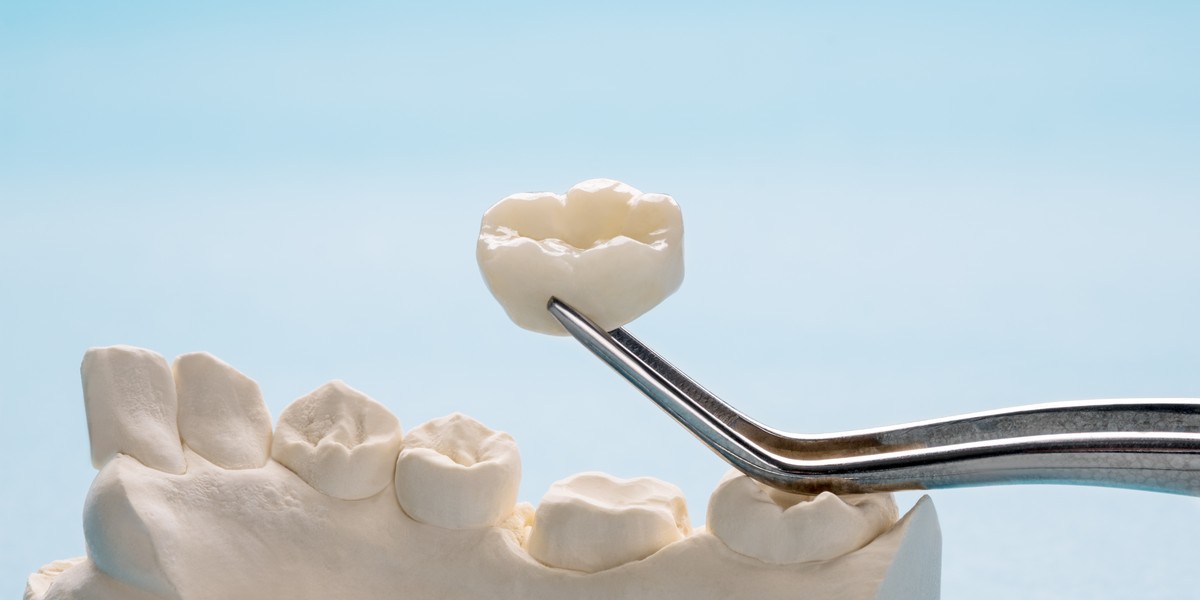
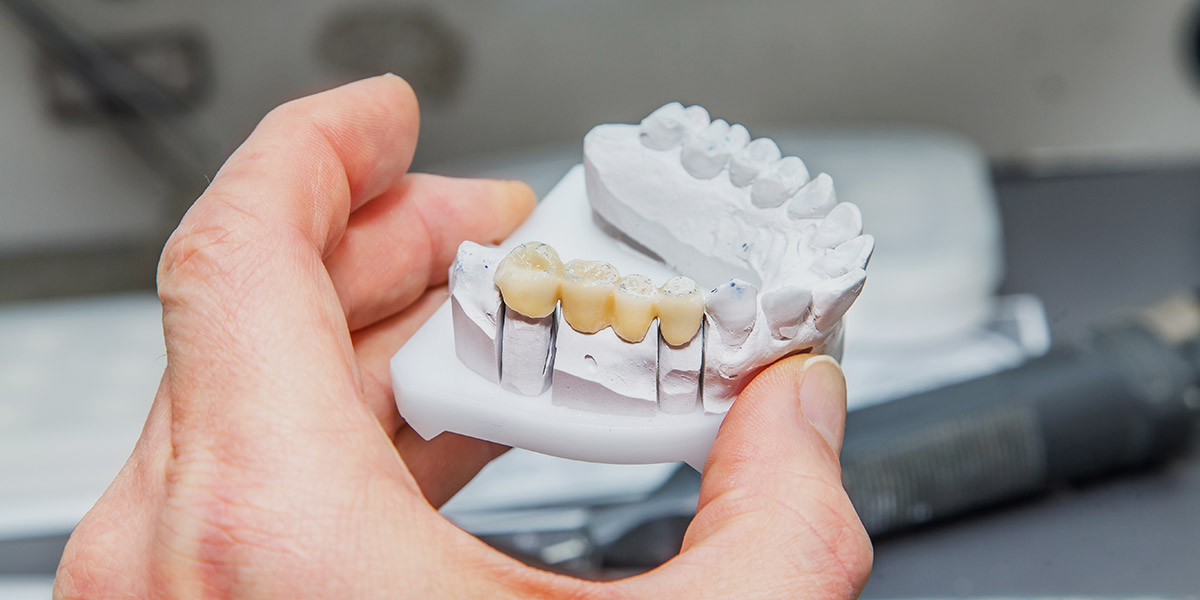
Great veneers should look like real teeth rather than a perfect white tile. The best smiles are those which look healthy, balanced, and natural enough that nobody will notice that dental work has been done at all.
A natural look comes down to much more than just shade, and real teeth are not completely solid in colour. They reflect light, show slight transparency around the edges, and have small variations that give them depth and character. If veneers are made too white or too opaque, they can quickly start to look fake.
Dental labs spend a huge amount of time refining details from the materials they choose to the way each veneer is layered to create a result that feels lifelike rather than overly bright. Veneers seek not simply to make teeth whiter, but to create a smile that suits the person wearing them.
What makes veneers look fake
Veneers can look unnatural when they do not match the way real teeth reflect light, vary in colour, or fit within the smile. However, in many cases, the issue is not the veneers themselves, but the design choices behind them.
Some of the most common reasons why veneers look fake include:
- Teeth that are too white: Very bright white veneers can sometimes look unnatural, especially if they do not suit the person’s skin tone, age, or neighbouring teeth. Natural teeth are usually softer in colour and have small variations in shade.
- No natural translucency: Real teeth are not completely solid in colour, as light passes through the enamel slightly, particularly near the edges. Veneers that are too opaque can look flat and artificial because they do not reflect light in the same way.
- Every tooth looking identical: Natural teeth have small differences in shape, length, and edge detail, so if every veneer looks exactly the same, the smile in turn looks too perfect.
- A surface that looks too smooth: Healthy tooth enamel has tiny textures that help create a natural shine, so veneers that are overly polished or glass-like can reflect light differently and draw attention for the wrong reasons.
- Teeth that are too big for the face: Veneers should suit the person’s facial features and smile line. If the teeth are too long, wide, or bulky, they can look unnatural and out of balance.
- Poor colour matching: Veneers need to blend with the surrounding teeth and overall smile. If the shade does not match properly, the restorations may become more noticeable than intended.
- Light not reflecting naturally: Good veneers are designed to handle light in a similar way to natural enamel. If this is not done properly, the teeth may appear dull, too bright, or slightly grey under different lighting.
When veneers are carefully planned and made with these details in mind, they are far more likely to blend naturally with the smile. Small adjustments in colour, shape, texture, and translucency can make a significant difference between veneers that stand out and veneers that simply look like healthy natural teeth.
Veneer translucency, value, and chroma
Natural-looking veneers are about more than choosing a white shade. Dental labs also consider how teeth reflect light, how bright they appear, and how much warmth or depth they have, and the three key factors behind this are translucency, value, and chroma.
When these are balanced properly, veneers tend to look softer and more realistic rather than overly white or artificial.
Translucency
Translucency is how much light passes through a tooth. Natural enamel is slightly translucent, especially around the edges, which helps teeth look more lifelike.
Dental labs are able to achieve translucency by layering ceramic materials and adjusting the thickness of the veneer. If a veneer is too opaque, it can look flat, but too much translucency can mean the tooth appears grey in certain lighting.
The goal is to create a natural balance that reflects light in a similar way to real enamel.
Value
Value refers to the brightness of a tooth, which is often the first thing people notice about a smile.
In simple terms, it describes how light or dark the veneers appear overall. Veneers with a very high value can appear very white and bright, while lower-value shades may look softer and more natural.
A dental laboratory will carefully control value so the veneers suit the patient’s face, skin tone, and surrounding teeth. Even small changes in brightness can affect whether a smile looks natural or overly artificial.
Chroma
Chroma describes the richness or warmth of colour within a tooth. Natural teeth are not pure white and usually contain subtle cream, yellow, or grey tones.
If veneers have too little chroma, they can look stark and artificial. Too much can make them appear darker than intended.
Adding the right amount of chroma helps create depth and gives veneers a more natural appearance.
When translucency, value, and chroma are balanced, veneers are far more likely to blend naturally into the smile rather than stand out for the wrong reasons.
How dental labs layer porcelain to mimic natural teeth
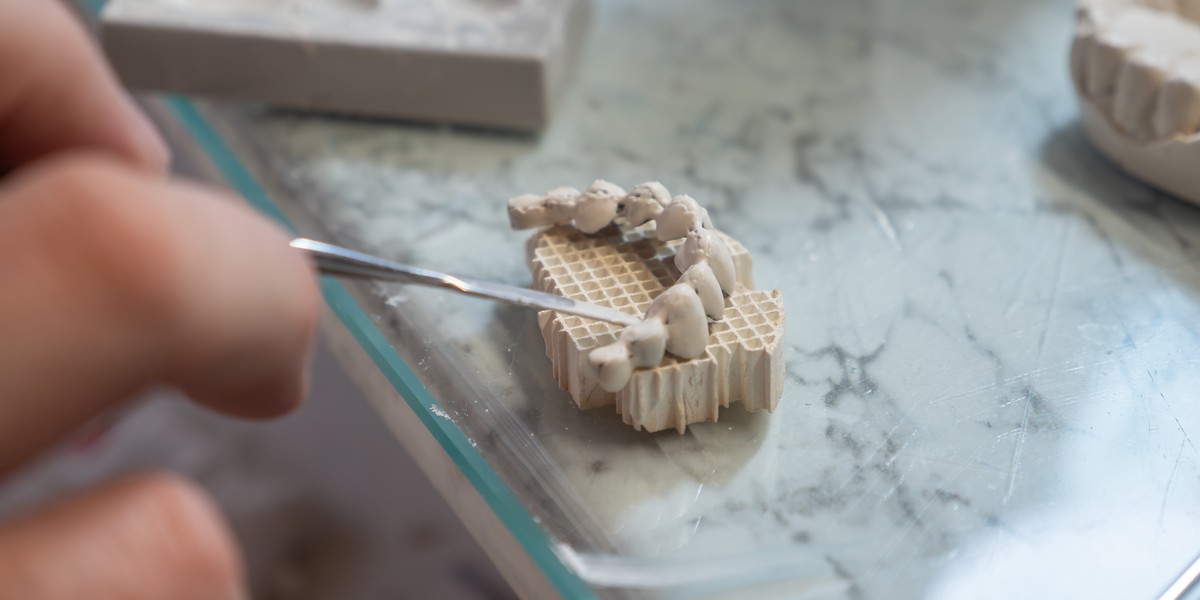
Veneers are usually built in layers rather than made from one solid piece of ceramic. This gives dental technicians more control over how the veneers reflect light and blend into the smile naturally.
To create this effect, labs use a variety of porcelain powders with different levels of translucency. Some layers add brightness, while others create softness and depth, and the edges of the veneers are often made slightly more translucent, just like natural enamel.
Technicians also add small internal details to avoid a flat or overly perfect appearance. Subtle shading and slight colour variations can help the veneers look more lifelike and natural in different lighting. This layering process, known as stratification, is what helps veneers develop enamel-like depth and texture. Each layer is carefully placed and fired to control the final appearance.
Layered vs monolithic veneers
Dental labs often choose between two main approaches to veneers, each with its own strengths and uses for different clinical and aesthetic needs.
| Feature | Monolithic veneers | Layered veeners |
| Material | Made from a single solid block of ceramic or zirconia | Built up using multiple layers, often of porcelain |
| Strength | Very strong | Slightly less strong |
| Appearance | More uniform, can appear more solid or opaque and look less natural | Highly aesthetic, closely mimics natural teeth with depth and variation |
| Translucency | Limited control over light effects | Better control of light and translucency |
| Best use | Back teeth, or cases where strength is the priority | Front teeth, where appearance is most important |
The fine details
A lot of what makes veneers look natural comes down to very small surface details. Real teeth are not perfectly smooth or identical. They have tiny ridges and natural texture, known as micro-anatomy, which changes how light reflects off them. Dental technicians try to recreate this so the veneers don’t end up looking flat or overly artificial.
There are also subtle effects around the edge of the tooth that matter. Things like incisal halos, slight translucency at the edges, and natural features such as mamellons and opalescence all help add depth. These details give the tooth a sense of movement and light variation, so it doesn’t look like a single solid block of colour.
The finishing stage also plays a big part. Polishing and glazing need to be carefully balanced so the veneer has a natural shine rather than a glassy or plastic look. Interestingly, a perfectly uniform surface is not always the goal. Small, natural-looking variations are often added intentionally because real teeth are never perfectly uniform.
Why collaboration between dentist and dental lab matters
Getting natural-looking veneers is rarely a one-person job. Effective communication between the dentist and the dental lab is key, especially when sharing shade details and clear photographs of the patient’s teeth. This helps the lab understand exactly what they are trying to match.
It also goes beyond just the teeth themselves. Factors like skin tone, age, and facial features affect which shades and brightness levels look natural. Veneers also need to look right in different lighting, not just in the surgery but in everyday life too.
What the patient wants is important, but it needs to be balanced with what will actually look natural once the veneers are in place. When the dentist’s clinical work and the lab’s technical and artistic skills come together properly, the result is a smile that looks realistic and fits the person well.
Working with GoDigital Dental to achieve the best results for patients
Good veneer results usually come from everyone being on the same page from the start. When planning, designing, and finishing are all handled with care by GoDigital Dental, the final smile tends to feel more comfortable and naturally suited to the person.
It’s really about keeping things consistent between the dentist and the lab and paying attention to the finer points along the way. When that happens, the end result is a set of veneers that not only works well, but also blends in properly and looks like it belongs in the mouth.
FAQs
Can veneers be made to match existing teeth exactly?
Veneers can be made to closely match the look of your natural teeth in terms of colour, shape, and size, but getting an exact copy is rarely possible. Real teeth naturally vary in shade, translucency, and texture, so the goal is usually to create a blend that looks right in the smile rather than a perfect replica.
A lot depends on how well the dentist and dental lab work together, using photos, shade guides, and careful planning. Even with a good match, small differences can still be seen in certain lights or as natural teeth change over time, which is completely normal.
What role does the patient play in the final design choice?
The patient has an important part to play in shaping how their veneers will finally look. They share what they like or don’t like, from the colour of the teeth to the overall shape and style. This helps the dentist understand the kind of smile they are aiming for.
During consultations, patients can review mock-ups, photos, or trial designs before the final veneers are made, which allows changes to be suggested early to make sure the result feels comfortable and natural. While the dentist and lab provide technical guidance, the patient’s input helps shape the final appearance and ensures expectations are properly understood.
How do dentists decide on the right shade for each patient?
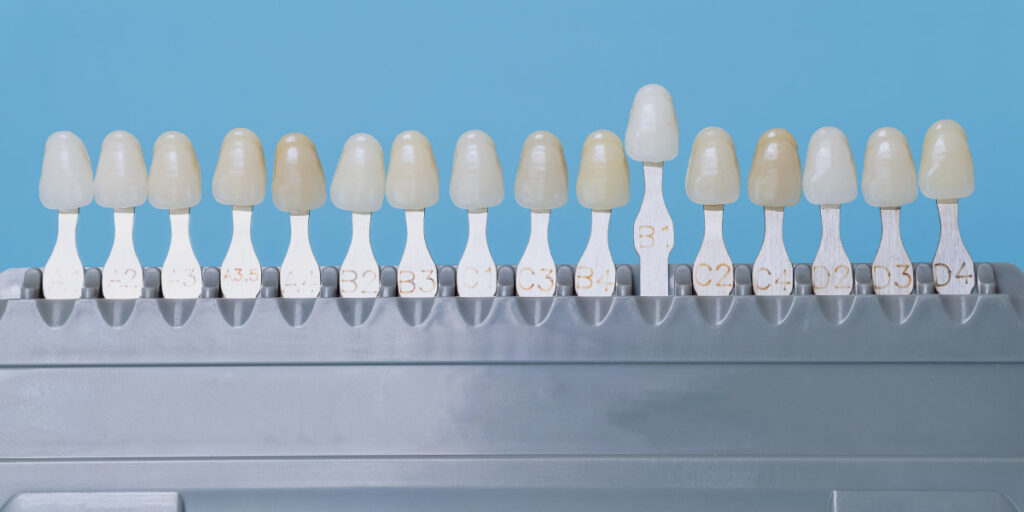
Dentists choose the right shade by looking closely at the patient’s natural teeth, skin tone, and overall smile. They usually use shade guides and take photos so they can compare different colours in both natural daylight and indoor lighting. This helps them find a shade that blends in rather than stands out.
They also think about things like age, tooth translucency, and how light moves through the enamel. Sometimes they check the shade with the dental lab to fine-tune the result. The aim is always to create a colour that looks natural and suits the person’s face in everyday life.