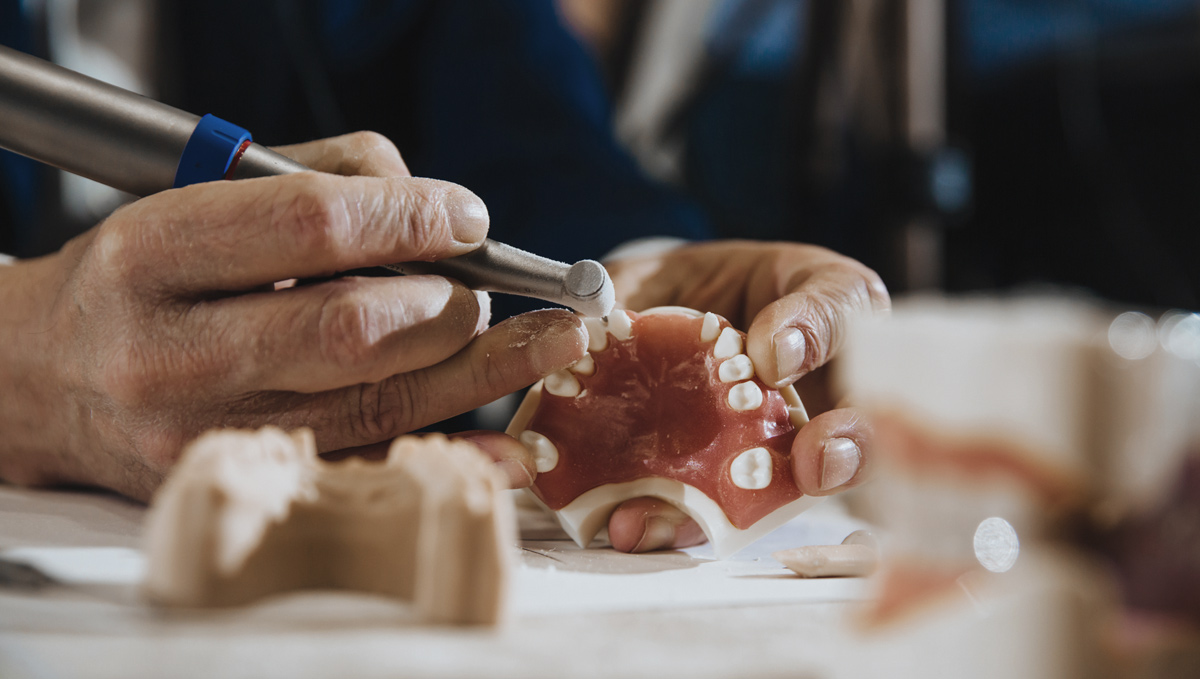
Cosmetic dentistry in the UK has evolved rapidly, and the modern dental lab now plays an essential role in delivering predictable, high-quality outcomes. Far from being a remote production facility, a modern dental laboratory is an active partner in modern dentistry, supporting dentists with advanced dental technology, skilled dental technicians, and a consultant offering that adds value at every step.
For patients, this means restorations that combine aesthetics, function, and durability. For practices, it means efficiency, confidence, and consistent quality.
Here’s how a modern dental group or independent lab supports cosmetic dentistry today, using collaboration, digital systems, and craftsmanship to meet expectations in a competitive world.
Collaboration between the dental lab and the clinician
A modern dental lab can no longer seen as separate from the clinical side of cosmetic dentistry, and collaboration between dentists and technicians is central to success. By working as one connected team, both sides can focus on creating dental restorations that meet clinical requirements and aesthetic goals. This collaborative approach ensures that each case benefits from the shared expertise of both parties, from diagnosis through to final fit.
For dentists, access to a modern dental laboratory means support with complex cases, including crowns, bridges, veneers, and implants. The lab assists with planning, material choice, and design, helping the practice deliver care that meets patient expectations. For patients, this collaboration builds trust, as every aspect of their treatment is considered carefully.
A strong partner lab puts communication first, reducing misunderstandings and ensuring restorations are ready on the day they are needed.
Case planning and communication workflows
Effective case planning begins with clear communication and establishing expectations early on so that the lab can create restorations that fit accurately and perform as intended. Digital files, photographs, and detailed prescriptions allow dental technicians to fully understand the clinical situation that the dentist is presenting to them. Many modern dental labs also provide a consultant service to give dentists access to a technician or consultant who can advise on design, function, and aesthetics before work begins.
This step-by-step workflow improves efficiency and reduces remakes, and regular feedback between the practice and the lab strengthens collaboration and professionalism. Over the course of a year, this level of communication raises standards across all cases, supporting consistent quality and better outcomes for patients and clinicians alike.
Digital workflows in cosmetic dentistry
Dental technology has transformed how cosmetic restorations are produced. A modern dental lab relies on digital workflows to improve accuracy, speed, and predictability. From digital impressions to computer-aided design, technology allows labs to support modern dental practices with precision and efficiency.
Digital dentistry also enhances access. Files can be shared instantly, enabling faster turnaround times and closer collaboration, even when the lab and practice are not in the same location. For a modern dental group operating as a one-stop shop, digital systems allow services to be streamlined across a full range of cosmetic solutions.
CAD/CAM technology and digital impressions
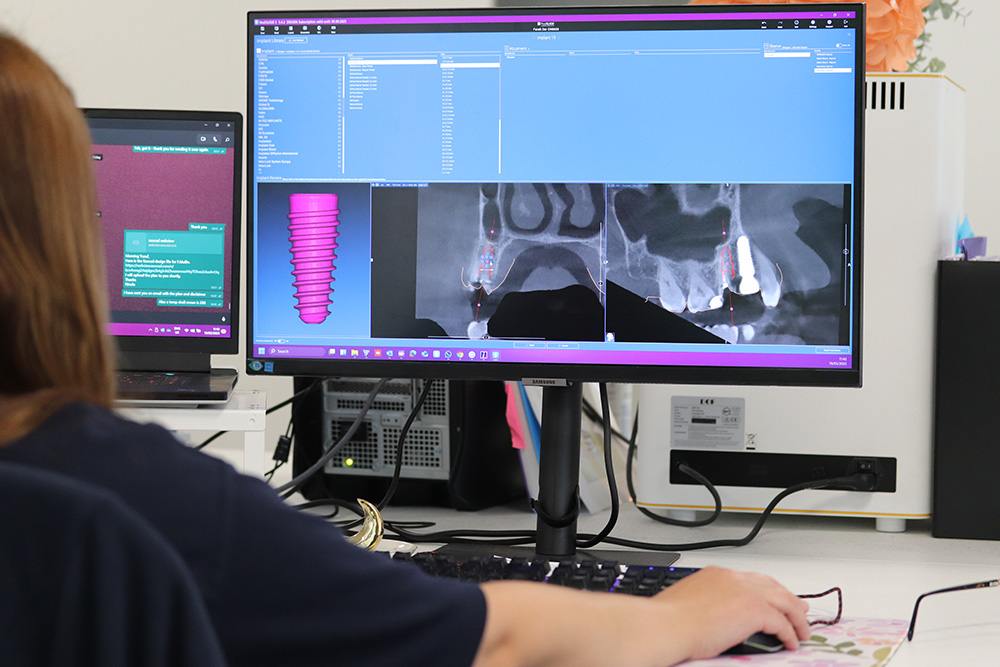
CAD and CAM systems allow dental technicians to design restorations with exceptional precision. Digital impressions reduce distortion and improve fit, particularly for crowns and bridge restorations, veneers, and implant-supported work. These digital files form the foundation of accurate manufacturing, ensuring each restoration meets exact specifications.
This technology improves dentists’ confidence in the final result, enhances patient comfort, and reduces chair time. A modern dental laboratory that invests in technology can support higher levels of care, combining digital accuracy with human expertise. This combination is essential in modern dentistry, where expectations for aesthetics and function continue to rise.
Material science and dental aesthetics
Material choice is a critical aspect of cosmetic dentistry. A modern dental lab must understand how different materials perform, both visually and mechanically. Advances in material science allow technicians to create restorations that are strong, lifelike, and durable, meeting the demands of daily function.
Zirconia, high-strength ceramics, and advanced composites are now widely used in cosmetic cases. Selecting the right material requires experience and knowledge, which a modern dental laboratory provides as part of its consultant offering. This expertise helps dentists choose materials that suit each case, balancing aesthetics, durability, and cost.
Selection of ceramics and composite materials
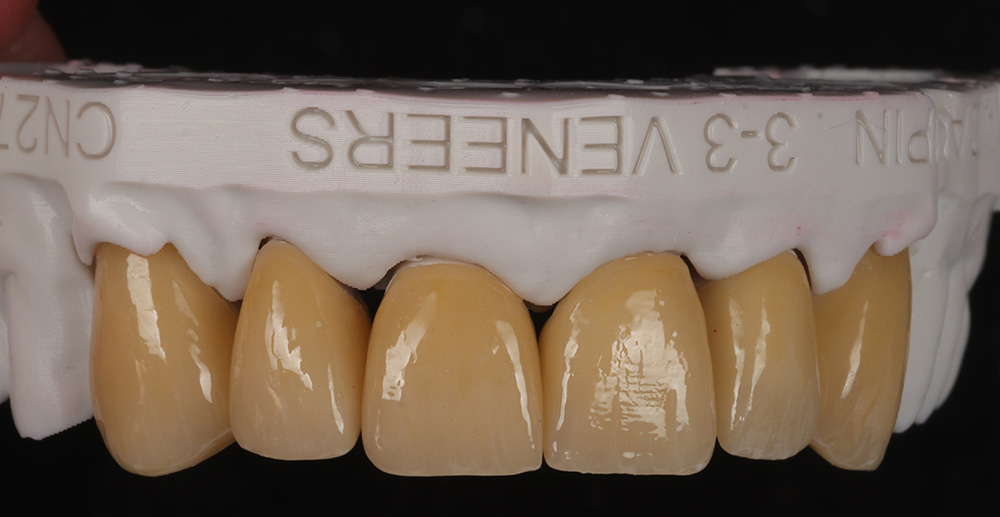
Ceramic materials offer excellent aesthetics, making them ideal for veneers and visible crowns. Zirconia provides strength for bridges and implant restorations, while still supporting natural-looking results. A modern dental lab understands how to use each material effectively, often combining different options within a single case.
Dental technicians apply craftsmanship and technical skill to maximise the potential of these materials. This attention to detail ensures restorations not only look good on the day of fit, but continue to perform over time. Consistent quality in material handling is essential for patient satisfaction and long-term success.
Precision manufacturing and quality control
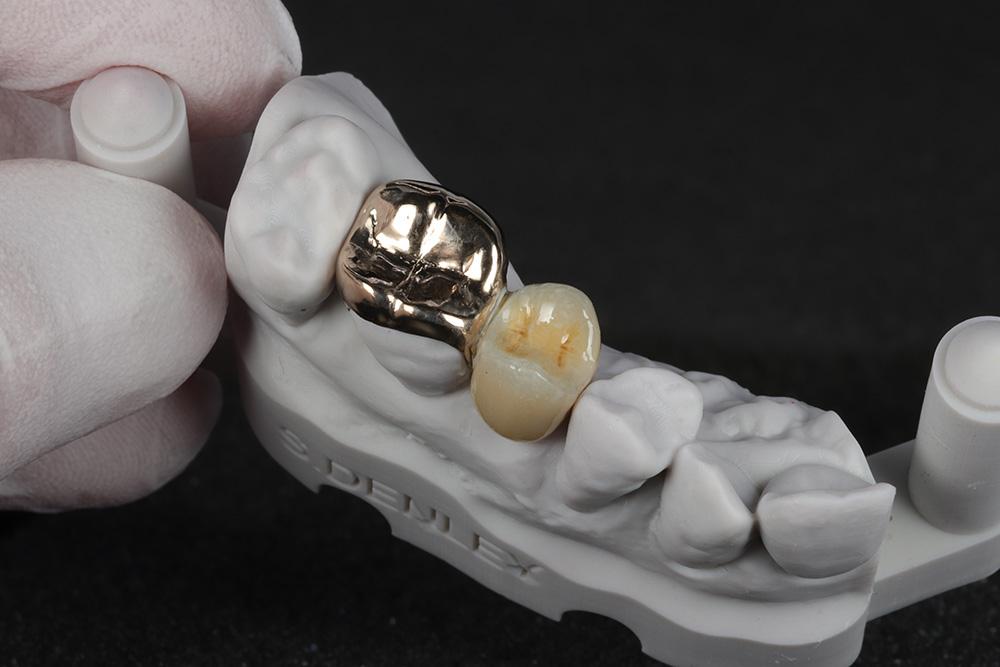
Precision is at the heart of cosmetic dentistry. A modern dental lab needs to be able deliver restorations that fit accurately, function correctly, and meet high aesthetic standards. This requires controlled manufacturing processes and rigorous quality assurance at every stage.
Quality assurance is not a single check, but an ongoing process. From design to final inspection, each step is carefully monitored to ensure consistent quality, reduce errors, minimise remakes, and build trust between the lab, dentists, and patients.
Accuracy, fit, and consistency standards
Modern dental laboratories use a combination of digital and manual checks to ensure accuracy. Milling machines, sintering ovens, and finishing tools are calibrated regularly. Skilled technicians take the time to diligently inspect margins, contacts, and occlusion to confirm that restorations meet expected levels.
By maintaining strict standards, the lab supports the practice in delivering predictable results. This consistency is essential for busy clinics that rely on their lab partner to assist with a wide range of cases. A company that prioritises quality assurance demonstrates professionalism and commitment to excellence.
Customisation for patient-specific outcomes
Every patient is unique, and cosmetic dentistry must reflect this. A modern dental lab focuses on customisation, tailoring restorations to individual facial features, shade requirements, and personal preferences. This patient-centred approach is key to achieving natural aesthetics.
Dental technicians work closely with dentists to understand what each patient expects. Whether restoring a single tooth or managing multiple restorations, the goal is to create results that integrate seamlessly with the rest of the smile.
Shade matching and aesthetic characterisation
Accurate shade matching is an essential aspect of cosmetic work. Modern dental labs use advanced lighting, shade guides, and digital photography to capture subtle details. Layering techniques and surface characterisation add depth and realism to restorations.
This attention to aesthetics enhances patient confidence and satisfaction. When restorations look natural and harmonious, they support both function and appearance. The lab plays a vital role in this aspect of care, using skill and experience to meet high expectations.
Turnaround times and practice efficiency
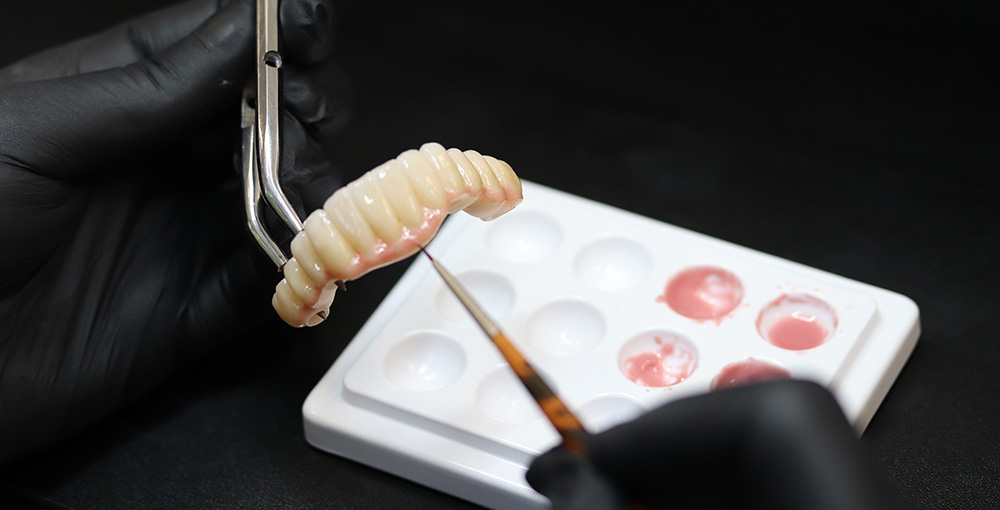
Efficiency is a major consideration for any dental practice. A modern dental lab supports efficient workflows by delivering reliable turnaround times without compromising quality. This reliability allows dentists to plan appointments confidently and manage their schedule effectively.
For a dental laboratory, efficiency also means offering a full range of services under one roof. From simple crowns to complex implant cases, the lab provides support across the spectrum of cosmetic dentistry.
Streamlined production and laboratory logistics
Digital systems and organised production processes equal more efficient turnaround times. Clear communication, digital files, and defined workflows all help to reduce delays and errors, and labs also need to make sure they maintain good communication with their distributors to stay on top of their stock of materials and components.
A streamlined approach benefits everyone involved. Dentists receive restorations on time, patients experience fewer delays, and the lab operates smoothly. Efficiency is not just about speed, but about creating a dependable service that supports long-term success.
Regulation, compliance, and sustainability in the UK
Operating in the UK requires strict adherence to regulatory standards, meaning a lab must comply with relevant regulations, as well as think about how they can work sustainably, and prioritise ethical sourcing. These responsibilities are an essential aspect of professionalism in today’s dental world.
Patients and dentists alike are increasingly interested in where materials come from and how services are delivered. A responsible lab recognises its role within the wider healthcare system and the community.
MHRA requirements and responsible material sourcing
Following MHRA requirements is important because it makes sure that dental restorations meet safety and quality standards. A modern dental laboratory keeps detailed records, traceability, and documentation for every case. This openness helps build trust and accountability.
Sustainable practices, like responsible sourcing and reducing waste, are also important. By doing this, the lab shows care for patients, the profession, and the environment. This commitment reflects the values of modern dentistry and helps create a positive future for the industry.
GoDigital Dental: a team committed to delivering exceptional dental restorations
As a modern dental laboratory in the UK, our team at GoDigital Dental combines advanced digital technology with the expertise of highly skilled dental technicians to create a full range of dental restorations with precision and consistent quality. By blending digital workflows, professional craftsmanship, and close collaboration with our dental partners, we ensure every case supports both clinical function and high aesthetic expectations, helping practices deliver confident outcomes for patients.
We understand the essential role a dental laboratory plays in modern dentistry, which is why we work closely with dentists as a committed partner rather than simply a service provider. From managing digital files to supporting complex cosmetic cases, our consultant-led approach, efficiency, and attention to detail help practices succeed every day. Get in touch with us today to see how we could make a difference to your work and patients!
FAQs
How does digital dentistry differ from traditional workflows?
Digital dentistry changes the way dental work is planned and executed compared with traditional methods. Instead of taking physical impressions, dentists use scanners to capture the teeth and mouth in digital form. These files can be seen in 3D, letting dentists and technicians notice any problems before making restorations. The digital files can then be sent quickly to dental technicians, who use them to design restorations such as crowns, bridges, veneers, and implants with accuracy and speed.
Traditional workflows use manual impressions, plaster models, and hand-made designs, which take more time and may need corrections if mistakes happen. Digital dentistry makes each step faster, reduces errors, and allows better teamwork between dentists, technicians, and patients.
Is switching to digital worth the investment?
Switching to digital can be a valuable investment for dental practices. Digital scanners, design software, and workflows help take accurate impressions and make precise restorations such as crowns, bridges, veneers, and implants. This reduces mistakes, saves time, and makes the process easier for both dentists and technicians.
Digital systems also improve communication and teamwork, letting dental teams check cases and make changes before the restorations are made. Patients get more comfortable appointments and restorations that fit better. Overall, using digital tools helps practices work more efficiently, keep consistent quality, and provide care that meets patient expectations with confidence and accuracy.
What are the benefits for patients of digital impressions?
Digital impressions offer several benefits for patients compared with traditional methods. Scanners create accurate digital files of the teeth and mouth without the need for messy materials or uncomfortable trays. This makes the experience quicker, cleaner, and more comfortable, reducing stress and discomfort during appointments.
Digital impressions also help improve the fit and appearance of restorations such as crowns, bridges, veneers, and implants. Because the files are precise, dental technicians can create restorations that more closely match natural teeth. Patients benefit from fewer adjustments, quicker treatment, and more predictable results, making cosmetic dentistry more efficient and satisfying for everyone involved.
Can a dental lab provide digital design previews before restorations are made?
A dental lab can provide digital design previews before restorations are made to help dentists and patients see the expected outcome. Using digital software, technicians can create 3D images of crowns, bridges, veneers, and implants based on scans and case information. This allows the dentist to check shape, size, and alignment before anything is produced.
Digital previews also make it easier to discuss changes with the patient and adjust the design if needed. This process helps reduce errors, saves time, and ensures restorations meet both functional and aesthetic goals. It also improves collaboration between the dentist, lab, and patient.
What’s the best way to ensure an accurate shade match for patients?
To ensure an accurate shade match for patients, it is important to gather clear information about their natural teeth. Dentists can use shade guides, photographs, and digital scans to record colour and characteristics. If patients are local to Nottingham, they can also visit the GoDigital Dental lab for a dedicated shade matching appointment, giving technicians the chance to capture the exact tone and details in person.
By visiting the lab, patients can see how different materials and layering techniques affect the final appearance. This hands-on approach helps the team create restorations that look natural, meet patient expectations, and achieve consistent quality across crowns, bridges, veneers, and implants.
Can digital dentistry impact patient case acceptance?
Digital dentistry can influence patient case acceptance by making treatments easier to understand and visualise. Using digital scans, 3D models, and design previews, dentists can show patients exactly how restorations such as crowns, bridges, veneers, or implants will look and fit. This helps patients feel more informed and confident about their care.
Being able to see their potential results also helps patients discuss preferences and ask questions before treatment begins. Clear visuals, combined with precise planning and accurate restorations, make patients more willing to proceed. Digital dentistry improves communication, builds trust, and supports better collaboration between the dentist, lab, and patient.
Is training available for staff on digital workflows and scanning protocols?
Training is available to help dental staff use digital workflows and scanning protocols confidently, including how to take accurate digital impressions, manage digital files, and prepare information for restorations such as crowns, bridges, veneers, and implants. Learning the correct steps ensures work is precise and efficient.
At GoDigital Dental, we provide training to help dental staff use digital workflows and scanning protocols confidently. Through our Digital Dental Partnership, we offer practices the loan of a digital scanner along with full training, so teams can learn how to take accurate digital impressions and manage digital files for restorations such as crowns, bridges, veneers, and implants.
What do I need to make sure to include when I send cases digitally to a lab?
When sending cases digitally to a lab, it is important to include clear and complete information. This should include digital scans of the teeth, photographs showing colour and shape, and any relevant notes about the patient’s bite or preferences. Including details about crowns, bridges, veneers, or implants helps technicians plan the restorations accurately.
It is also essential to provide clear instructions for materials, shade, and any aesthetic or functional requirements. Sharing all necessary information ensures the lab can create restorations with precision, reduces the risk of errors or remakes, and helps the practice deliver consistent quality results for patients efficiently.
Can a lab fix a “bad” scan?
A lab can sometimes fix a “bad” scan, depending on the issues and the quality of the data captured. Minor errors, such as missing details or small distortions, can often be corrected using software tools to improve accuracy. Technicians can adjust the digital files to better represent the patient’s teeth and bite.
However, significant problems may require a new scan to ensure the restorations fit correctly. Providing clear instructions and communicating with the lab helps identify issues early. Accurate scans are essential for creating crowns, bridges, veneers, and implants with precision, consistent quality, and predictable results for patients.
How are digital models stored, and what data security measures do labs put in place?
Digital models are stored securely on specialised computer systems or cloud platforms that dental labs use to manage cases. Each patient’s files, including scans, photographs, and notes, are organised so technicians can access them quickly and accurately. This helps ensure restorations such as crowns, bridges, veneers, and implants are produced with precision.
Labs put strict data security measures in place to protect patient information. This includes encrypted storage, password protection, and controlled access so only authorised staff can view the files. Regular backups and secure transfer protocols help keep digital models safe while maintaining consistent quality and supporting reliable workflows for practices.