Dental practices in the UK are looking for ways to improve patient acceptance while delivering predictable outcomes. Partnering with a smile preview dental laboratory that specialises in digital smile design allows dentists to show patients realistic previews of restorative treatments and final restorations, creating confidence and clarity in the decision-making process.
By integrating digital smile design into consultations, dental teams can communicate more effectively, reduce stress for patients, and increase the likelihood that patients will commit to treatment. From simple adjustments to complex restorative cases, a dental laboratory offering this service with the help of intuitive software, precise planning, and reliable delivery can make a tangible difference in patient outcomes and practice success.
Understanding digital smile design
What is digital smile design?
Digital smile design lets dentists and dental technicians show a patient what their future smile could look like. It uses software to show the results of restorative treatments, such as veneers, crowns, and complete smile makeovers.
This process helps patients understand what their new smile could look like, reduces uncertainty, and allows dental teams to discuss treatment plans with precision. It also enables practices to showcase their use of cutting-edge technology and modern dental laboratory services.
How does digital smile design work?
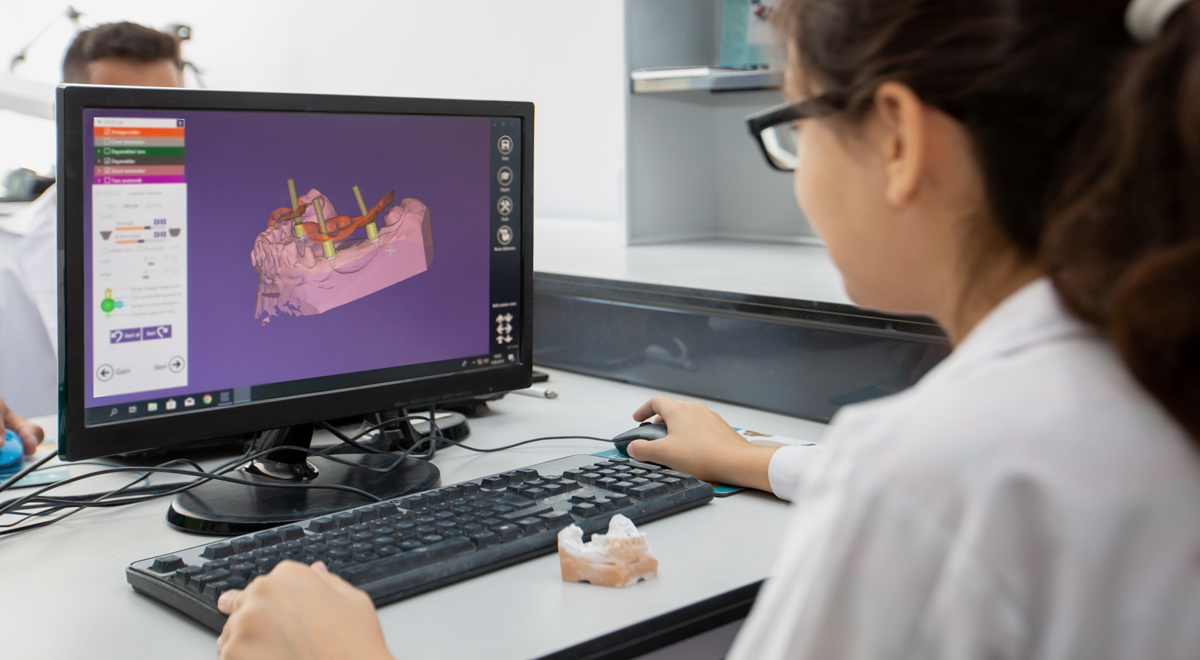
Digital smile design begins with detailed data collection, including photographs, scans, and sometimes videos to capture the teeth and facial structure. The dental laboratory then creates a virtual model to assist planning and design.
Technicians use intuitive software to adjust alignment, colour, and tooth angles and shapes, producing a realistic preview. This allows the dentist to review the design with the patient and communicate any modifications before moving to final restorations.
Enhancing patient communication
Visualising treatment outcomes
Many patients find it difficult to imagine the results of restorative treatments. Digital smile design offers a realistic preview, allowing them to see potential changes to their teeth and smile before committing to treatment.
This visualisation increases patient confidence and helps them accept the proposed plan. Videos, simulations, and mock-ups also allow the dental practice and laboratory team to communicate clearly and demonstrate the quality of their work.
Reducing patient anxiety
Undergoing dental treatment can be stressful, particularly in challenging cases. Showing patients what to expect reduces fear and creates a sense of control over the process.
By providing realistic previews, the dental team can answer questions, offer advice, and discuss every part of the treatment, helping patients feel confident and less stressed when deciding about their smile.
Improving treatment planning
Accurate simulation of procedures
Digital smile design allows dentists to simulate different restorative treatments and predict outcomes precisely. This reduces errors and ensures the dental laboratory produces accurate final restorations.
By planning carefully, the dental team can handle complex or challenging cases more efficiently. Accurate simulations also help patients visualise results, making it easier for them to accept treatment like dental implants.
Facilitating clinician-patient discussions
The software provides a clear visual reference for discussions with patients. Dentists can review options, talk through procedures, and answer questions while demonstrating the expected results.
Lab technicians can assist by reviewing designs and producing mock-ups. This collaboration improves communication, builds trust, and ensures both the patient and dental team feel confident in the treatment plan.
Boosting patient confidence
Showing realistic expectations
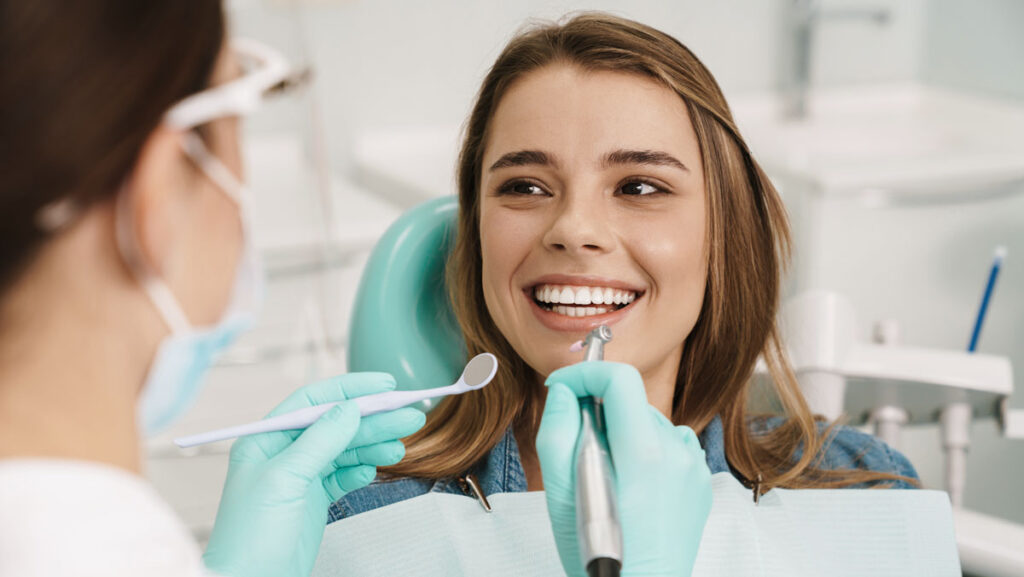
By showing patients an image of their new smile, patients have a clear idea of what to expect. This openness reassures them that the final restorations will be natural and fun
Patients who see realistic outcomes are more likely to commit to treatment, knowing what to expect. This confidence also helps them feel proud and positive about the restorative process.
Strengthening trust in the dentist
Patients trust dentists who use the latest technology and involve them in decisions. Demonstrating cutting-edge dental technology and precision strengthens that trust.
When patients feel their dentist is committed to quality and accuracy, they are more likely to accept treatment and recommend the practice, which supports long-term business success.
Supporting marketing and practice growth
Using visual previews in consultations
Visual previews help dental practices communicate treatment outcomes clearly. Patients can see multiple options, understand restorative treatments, and feel confident about their choices.
This also positions the dental practice as innovative and committed to quality, attracting new clients and demonstrating the capabilities of the dental laboratory and the team’s expertise.
Encouraging referrals through clear demonstrations
Patients who experience realistic previews often share their results with others, creating positive word-of-mouth referrals. Many patients will recommend a dentist with pleasure after seeing their new smile go from the screen to their mouth.
Lab teams support this process by producing high-quality images and videos. This combination of dental skills, lab precision, and reliable delivery services enhances the practice’s reputation and builds patient trust.
Streamlining workflow
Efficient case documentation
Digital smile design allows dental practices to document cases accurately and access data easily. Photographs, scans, and design files are stored and reviewed at any stage.
This efficiency reduces errors, saves time, and ensures the team and lab can work together seamlessly. Patients also benefit from clear, organised records that reinforce confidence in the process.
Simplifying lab communication
Digital software helps communication between dentists and lab technicians. Clear instructions and visual guides make sure final restorations are precise and meet expectations.
A dedicated dental laboratory can check designs, give advice, and deliver restorations reliably. This lowers stress for the dental team and supports smooth, predictable treatment outcomes.
Increasing case acceptance rates
Encouraging patients to commit to treatment
Patients are more likely to commit to treatment when they see realistic previews of their new smile. Digital smile design builds confidence by showing predictable outcomes.
By discussing treatment options clearly and providing mock-ups or videos, the dentist and lab team create a collaborative, reassuring experience that encourages patient acceptance.
Demonstrating the value of proposed treatments
Visual previews highlight the quality and precision of restorative treatments, helping patients understand the value of their investment. Seeing how their smile will look enhances commitment and confidence.
A dental laboratory that delivers accurate, natural, and reliable restorations supports the dentist in producing successful outcomes. This approach increases patient satisfaction, strengthens trust, and contributes to the long-term success of the practice.
Digital smile design at GoDigital Dental laboratory
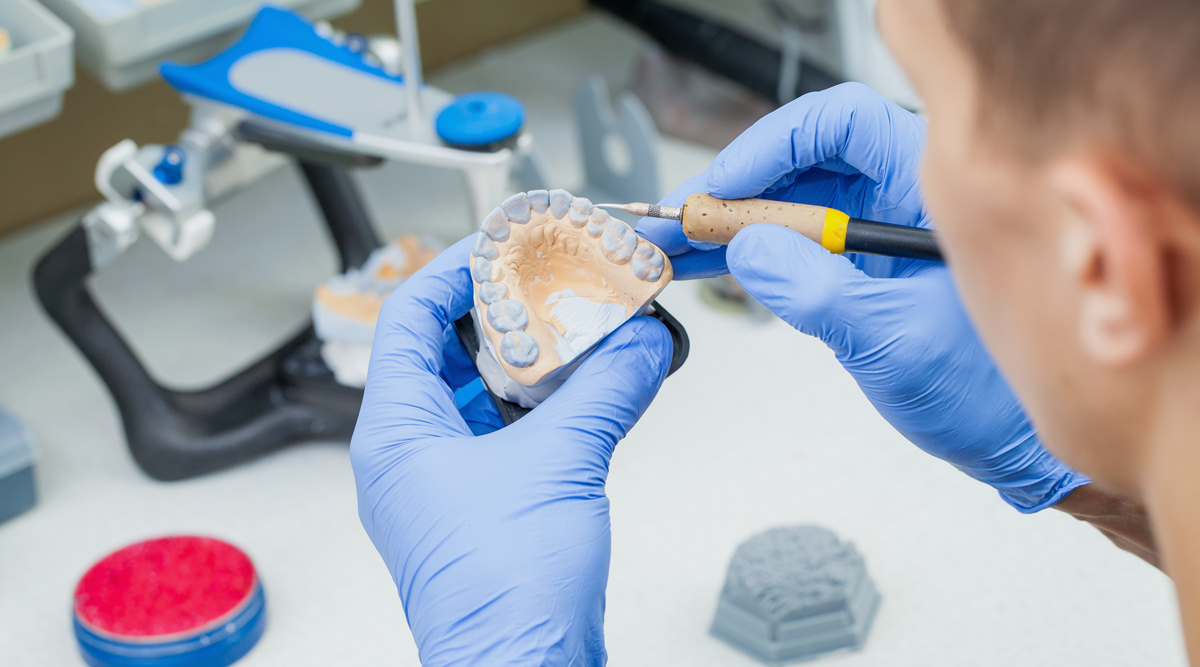
At GoDigital Dental, our team takes pride in combining knowledge, precision, and the latest dental technology to deliver exceptional digital smile design services. Each patient’s treatment is personal, allowing us to create a smile that matches their individual style while providing predictability in every step.
We understand that successful restorative treatments depend on more than technical skill. By involving patients in the process and producing accurate previews of their new smile, we give them confidence and peace of mind, while ensuring the final restorations meet the highest standards of quality and aesthetics.
Our commitment is to provide a seamless, reliable service where every smile is created with care. From planning to delivery, GoDigital Dental supports dentists and their teams, allowing practices to rest assured in the success of their treatments.
FAQs
What types of dental treatment can be planned with digital smile design?
Digital smile design can be used to plan many types of dental treatment. It is suitable for restorative treatments such as veneers, crowns, bridges, and implants. Dentists can also use it for full smile makeovers, helping to adjust the shape, size, and alignment of teeth.
It can assist with cosmetic treatments to improve the overall style and appearance of a patient’s smile. The software allows both dentists and dental technicians to create accurate previews, ensuring that the final restorations look natural and meet the patient’s expectations. It is useful for both simple and more complex cases.
How long does the digital smile design process take?
The digital smile design process usually starts with a consultation where the dentist takes photos, scans, and sometimes videos of the patient’s teeth and face. This part can take around one to two hours, depending on the complexity of the case and the number of images or scans needed.
Once the data is collected, the dental laboratory uses software to create a realistic preview of the new smile. This design stage typically takes a few days. Overall, from the first consultation to receiving the digital preview, most patients can expect the process to take about one to two weeks.
Will my finished smile look exactly like the preview I’m shown?
The finished smile will be very close to the preview shown during digital smile design, but it may not be exactly the same. The preview is created using software to give a realistic idea of the expected results, showing the shape, size, and style of the teeth.
Final restorations are made by dental technicians using precise measurements and high-quality materials. Small differences can occur due to natural variations in the teeth or how the mouth heals. Overall, the preview gives patients a clear guide, helping them and the dentist achieve a natural, attractive, and confident new smile.
How do dentists and dental labs communicate with eachother during the smile design process?
Dentists and dental labs work closely together during the smile design process to make sure results are accurate. The dentist sends the lab photos, scans, and notes about the patient’s teeth, style choices, and treatment goals. This helps the lab know exactly what is needed for the restorations.
During the design stage, the lab may send digital previews or mock-ups to the dentist to check. The dentist can give feedback, ask questions, or request changes. Clear communication and visual guides make sure the final restorations are precise, meet expectations, and create a natural, confident, and attractive new smile.
What are the benefits of digital smile design compared to traditional methods?
Digital smile design offers several benefits compared to traditional methods. It allows dentists and patients to see a realistic preview of the new smile before any treatment begins. This helps patients understand the expected results, set clear expectations, and feel more confident about their decisions.
It also improves precision and predictability in restorative treatments such as veneers, crowns, and full smile makeovers. Dentists and dental laboratories can plan each step accurately, reducing errors and the need for adjustments. Overall, digital smile design provides better communication, faster treatment planning, and a smoother, more reliable process than traditional methods.
Is digital smile design purely done for aesthetic purposes?
No, digital smile design is not done purely for aesthetic purposes. While it helps improve the appearance of a patient’s smile, it is also used to plan functional and restorative treatments. Dentists use it to ensure that teeth are aligned correctly, the bite is balanced, and restorations fit precisely.
The software allows dental teams to combine style with function, producing final restorations that are both natural-looking and practical. It assists in planning veneers, crowns, bridges, and other treatments to meet a patient’s needs. This makes the process reliable, predictable, and beneficial for both the dentist and the patient.
Will digital smile design hurt?
No, digital smile design itself does not hurt. The process mainly involves taking photos, digital scans, and sometimes videos of the patient’s teeth and face. These steps are completely non-invasive and comfortable, with no drilling, injections, or pain involved.
The aim is to create a realistic preview of the new smile so patients can see expected results before any treatment begins. Any discomfort would only occur later during actual restorative treatments, such as placing veneers or crowns. The digital design process helps patients feel confident and prepared, reducing stress and making the overall treatment experience smoother and more predictable.
How does digital smile design help my smile look natural?
Digital smile design helps make a smile look natural by allowing dentists and dental technicians to plan restorations with precision. The software takes into account the size, shape, and alignment of your teeth, as well as your facial features and style preferences, to create a balanced and harmonious look.
By showing a realistic preview, the dentist can adjust the design to match your natural teeth and overall smile. Lab technicians then use these detailed plans to produce final restorations that fit accurately and look natural. This ensures your new smile appears realistic, attractive, and confident.
Can I request changes during the digital smile design process?
Yes, you can request changes during the digital smile design process. The software allows dentists and dental technicians to create a realistic preview of your new smile, which can be adjusted based on your feedback. You can discuss aspects such as tooth shape, size, alignment, and overall style.
The dentist and lab team work together to make these changes, ensuring that the final restorations match your preferences. This collaborative process gives you control over the outcome and helps create a smile that feels personal, natural, and confident. Your input is welcome at every stage of the design process.
What happens after digital smile design?
After digital smile design, the dentist reviews the realistic preview with you and discusses any adjustments or preferences. Once you are happy with the design, the plan is finalised and sent to the dental laboratory.
The lab then creates temporary or final restorations, such as veneers, crowns, or bridges, based on the approved design. Your dentist will schedule the treatment to place the restorations accurately. Throughout the process, the dental team and lab work together to ensure precision and predictability, so your new smile looks natural, fits comfortably, and meets both your expectations and the dentist’s high standards.