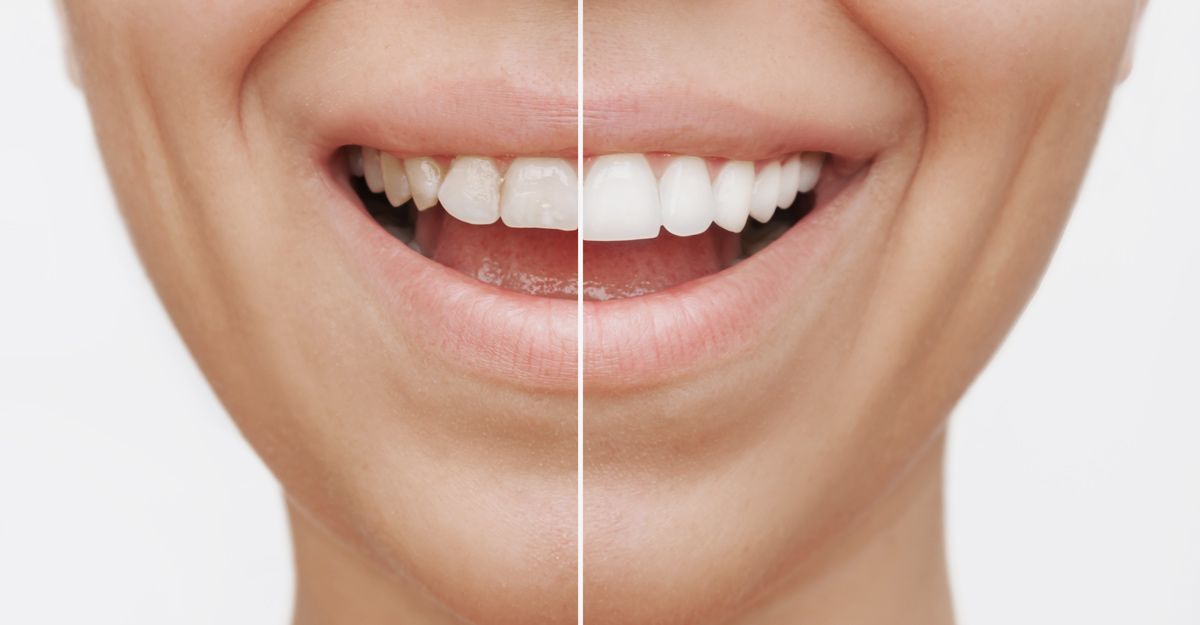
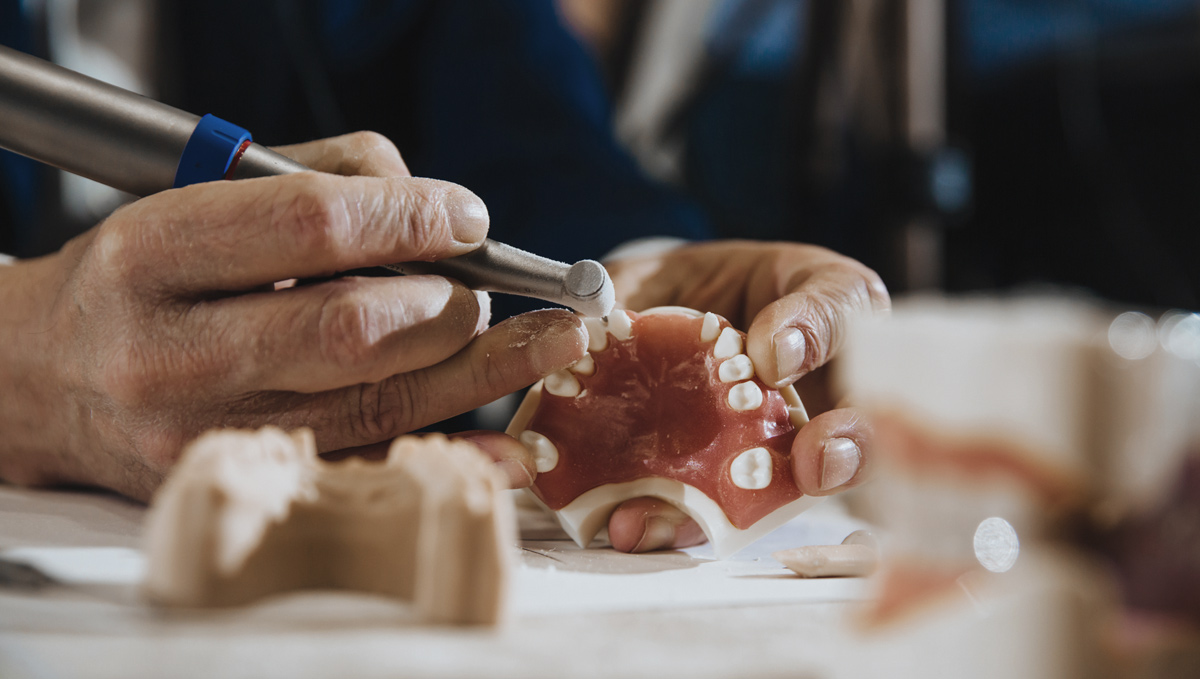
Providing a clear and comprehensive lab prescription is essential for achieving the best results in dental restorations.
A high-quality prescription helps dental professionals and laboratory technicians create restorations that are accurate, functional, and aesthetically pleasing. By following dental lab prescription tips, dentists can ensure patient comfort, a perfect fit, and a natural appearance for crowns, dentures, and other prostheses.
This guide covers critical details every dental professional should include when creating a lab prescription.
Essential patient details
Name, age, and gender
Accurate patient information is the foundation of any successful lab prescription. Full name, date of birth, and gender help the laboratory identify the patient and maintain proper records for future visits.
Age can influence material selection and design, especially in complex cases where growth or wear may be a factor. Being aware of the patient’s profile ensures restorations are appropriate for both functional and aesthetic outcomes.
Including gender is critical for certain restorations, such as central incisors, where size and shape may vary. This level of detail supports the laboratory in achieving the natural appearance desired by the dentist.
Relevant medical history
Medical history affects material choice and restoration design. Dentists should provide information about allergies, systemic conditions, or medications that may influence fabrication or patient comfort.
For example, some materials may be contraindicated in patients with certain sensitivities. Temporary restorations or provisional devices may be necessary while final restorations are fabricated to ensure patient comfort and protection.
Dental professionals should also note any history of bruxism or wear patterns, as this information helps the lab technician anticipate adjustments needed for bite and occlusion.
Practitioner credentials
Dentist identification and registration
Including the dentist’s name and registration number makes it easy to check details and keep communication clear with the dental laboratory. The technician can contact the clinician directly if something needs explaining, which helps avoid delays during fabrication.
This information also acts as a backup if prescriptions are lost or misplaced, helping future visits or adjustments stay on track. Dental labs value full contact details because they make communication smoother and more efficient throughout the entire restoration process.
Practice information and contact
Providing the practice address, phone number, and preferred communication method allows the laboratory to schedule pick-ups or deliveries efficiently. Communication is essential in achieving the best results, especially for complex cases requiring multiple adjustments.
A clear practice record also supports accurate billing and ensures that laboratory staff can confirm details with the appropriate team member if needed. Dental professionals benefit from establishing a consistent communication pathway to reduce errors and misinterpretation.
Clinical case overview
Diagnosis and treatment plan
A detailed case overview guides the laboratory in fabrication. Include the type of restoration required, whether it is a crown, denture, or bridge, along with any prior treatment that affects design or occlusion.
For complex cases, outline the rationale behind material selection and any anticipated adjustments during the fabrication process. Providing a clear plan helps technicians understand the intended function, patient expectations, and aesthetic goals.
Dental professionals should also note whether the restoration is for a single tooth or multiple units. Accurate information ensures the laboratory can create models that reflect the patient’s occlusion and achieve a perfect fit.
Adjacent teeth and supporting structures
Adjacent teeth and supporting structures influence the shape, contour, and shade of the final restoration. The laboratory requires detailed information to match natural morphology and maintain functional occlusion.
Include notes about spacing, wear patterns, or differences in colour that affect the aesthetics of the restoration. Highlighting critical features supports technicians in achieving a natural appearance while maintaining bite accuracy.
Models or scans of adjacent teeth help technicians accurately replicate contours and contact points. This reduces the need for adjustments during delivery and increases patient satisfaction with the final restoration.
Restoration specifications
Type and design of restoration
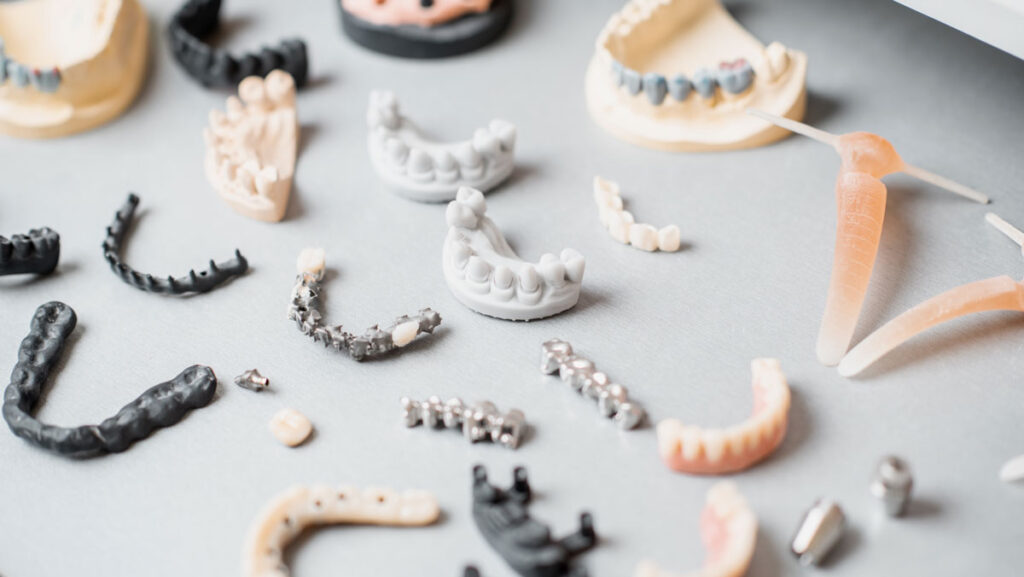
Clearly indicate the restoration type, including crown, bridge, veneer, or implant. Provide information about design preferences, such as full coverage, onlay, or partial prosthesis.
For example, specifying porcelain versus composite or metal-ceramic options allows the laboratory to choose the most appropriate fabrication technique. Accurate design details support a perfect fit and patient comfort.
Dentists should include reduction figures, preparation dimensions, and any aesthetic changes. These details help technicians create a restoration that supports function, strength, and a natural appearance.
Material and finish preferences
Selecting the right material is critical to both aesthetics and durability. Dental professionals should indicate whether they prefer porcelain, zirconia, composite, or other materials, along with any specific brand or system.
Provide polishing and finishing instructions to ensure the laboratory understands the desired surface texture and translucency. Following technique protocols from decades of industry practice helps achieve consistent, high-quality results.
Notes about temporary restorations or provisional devices are also useful. They allow the laboratory to plan for transitions between temporary and final restorations, ensuring patient comfort throughout the process.
Shade and colour matching
Tooth shade selection
Accurate shade selection is critical for achieving a natural appearance. Include the exact shade or combination of shades using established shade guides. Where possible, provide photographs or digital scans to support the prescription.
Differences in adjacent teeth must be highlighted to avoid colour mismatches. This is particularly important for central incisors and other visible teeth, where even small variations are noticeable.
Technicians benefit from a clear record of prior shade choices. This information supports consistency for future restorations or repairs and reduces the likelihood of adjustments after delivery.
Additional colour notes (translucency, stains)
Provide details about translucency, surface stains, or characterisation required for a lifelike finish. These small elements are critical for achieving aesthetics that blend seamlessly with natural teeth.
Notes on surface texture, gloss, and layering technique help laboratory staff replicate the natural wear and reflectivity of adjacent teeth. Accurate guidance ensures the final restoration complements the patient’s mouth and overall smile.
Dental professionals should be aware that even subtle instructions can impact patient satisfaction and reduce the need for chairside adjustments.
Functional considerations
Occlusal guidance and bite registration
Bite registration is important for restorations that fit accurately and work well. Add clear notes about occlusion, vertical dimension, and all functional movements.
A custom tray or scan can be provided to capture bite accurately. This foundation supports the technician in fabricating restorations that are comfortable and reduce wear on natural teeth.
Proper bite registration helps prevent issues such as overbite, crossbite, or uneven contact, which can compromise patient comfort and longevity of the restoration.
Special functional requirements
Include any special functional requirements such as bruxism protection, night guards, or specific wear resistance. These details guide the laboratory in selecting materials that withstand patient habits.
For dentures or partial prostheses, give clear information about support, retention, and stability. Sharing these needs helps ensure the final restoration works as planned and keeps patient comfort a priority.
Details for complex cases, such as implant-supported restorations or multi-unit bridges, should also be written clearly to guide accurate fabrication and fitting.
Laboratory collaboration
Communication channels and documentation
Effective communication with the dental laboratory is critical. Provide the preferred method for contact, whether phone, email, or secure digital platform, along with any supporting documentation such as scans, photographs, or models.
Clear instructions help lower the chance of errors during fabrication. Technicians can check any unclear points before starting the process, which saves time and helps keep accuracy high.
Dentists and laboratory staff should also keep records of communication. This habit supports continuity for adjustments, repairs, and future prescriptions.
Delivery expectations and timelines
Specify the expected turnaround time for restorations, especially for urgent cases. Including delivery expectations allows the laboratory to prioritise complex cases without compromising quality.
Indicate if temporary restorations or provisional devices are required during the fabrication period to maintain patient comfort. This ensures that the patient’s daily activities and aesthetics are not disrupted.
Dental professionals benefit from establishing clear timelines with the laboratory, which helps in scheduling visits, adjustments, and follow-ups. Accurate delivery planning contributes to patient satisfaction and the overall efficiency of the practice.
Partner with GoDigital Dental laboratory for your restorations!
Partner with GoDigital Dental lab for restorations that are precise, durable, and natural in appearance. Every crown, bridge, or denture is crafted to ensure a perfect fit and patient comfort.
Our team of GDC-registered technicians works closely with dental professionals, using advanced digital workflows and strict quality standards to deliver consistent, high-quality results.
Whether your practice is fully digital or transitioning, GoDigital Dental lab provides efficient turnaround, clear communication, and restorations that meet both functional and aesthetic goals. Visit our website to learn more about partnering with us.
FAQs
What common mistakes do dentists make when submitting lab work?
One common mistake dentists make when sending lab work is giving incomplete patient information. Missing details like full name, date of birth, or medical history can cause delays or mistakes in fabrication. Another common problem is unclear instructions about the type of restoration, material, or shade. Without this, the dental laboratory may have to guess, which can change the fit, function, and appearance of the final restoration.
Dentists also sometimes fail to include bite registration or accurate impressions. Poor communication about occlusion, adjacent teeth, or special functional requirements can result in restorations that need multiple adjustments, increasing chairside time.
How can I build a stronger long-term partnership with my dental lab?
To build a stronger long-term partnership with your dental lab, always provide clear and complete lab prescriptions. Include patient details, type of restoration, material preferences, bite registration, and any aesthetic or functional requirements. Sharing accurate impressions, scans, or models helps the lab create restorations that fit perfectly and meet patient expectations.
Regular communication is also essential. Give feedback on restorations, discuss complex cases in advance, and be aware of turnaround times. Establishing trust and consistency allows the laboratory to understand your preferences, reduces errors, and ensures predictable results, creating a reliable partnership that benefits both your practice and your patients.
Should I include clinical photos or digital scans with prescriptions?
Including clinical photos or digital scans with prescriptions greatly improves the accuracy and quality of the final restoration. Photos of the patient’s teeth, smile, and occlusion help the dental laboratory match shades, shape, and contour to achieve a natural appearance. Scans provide precise digital models that reduce errors during fabrication and save time on adjustments.
For complex cases, images and scans allow the lab to see adjacent teeth, wear patterns, and bite relationships clearly. Providing these visual references ensures the technician can create restorations that fit accurately, function properly, and meet both aesthetic and patient comfort requirements.
Can labs provide digital feedback or previews before manufacturing?
Many dental laboratories can give digital feedback or previews before making a restoration. Using CAD/CAM technology, technicians can build a virtual model of the crown, bridge, or denture and send it to the dentist. This lets the clinician check shape, size, and occlusion before fabrication, lowering the chance of errors and adjustments later.
For complex cases, digital previews help make sure the restoration will fit well and match adjacent teeth. Giving comments or approval at this stage improves communication, supports patient comfort, and lets the laboratory follow instructions accurately, creating a final restoration that meets both functional and aesthetic goals.
What factors most influence turnaround times for different types of restorations?
Turnaround times for restorations depend on several factors, including the type of restoration, complexity, and materials used. Crowns or simple bridges usually take less time than full dentures or multi-unit restorations. Using various materials like porcelain, zirconia, or metal-ceramic can also affect fabrication time, as each requires different processing and finishing steps.
Additional factors include the quality of impressions or digital scans, the clarity of the lab prescription, and whether bite registration or special functional requirements are provided. Clear communication and accurate records from the dentist help the laboratory plan efficiently, reducing delays and ensuring restorations are delivered on time.
How can I measure and track the success of my lab partnership over time?
Measuring the success of a lab partnership starts with tracking the quality and consistency of restorations. Note how often adjustments are needed, the fit and function of crowns, bridges, or dentures, and whether the final restoration matches the patient’s aesthetic expectations. Keeping records of completed cases helps identify patterns and areas for improvement.
Communication and reliability are also important. Track turnaround times, responsiveness to questions, and how well the laboratory follows instructions. Regular feedback sessions with the lab help address issues quickly. Monitoring these factors over time ensures the partnership supports patient satisfaction, practice efficiency, and predictable, high-quality results.
Are digital impressions better for accuracy compared to traditional ones?
Digital impressions give better accuracy than traditional methods by capturing exact 3D images of the patient’s teeth and bite. Scans lower the risk of distortions that can happen with impressions using trays and material. This helps the dental laboratory make restorations that fit perfectly and need fewer adjustments.
For complex cases, digital impressions let technicians see occlusion, adjacent teeth, and preparation details clearly. They also make communication between the dentist and the lab faster, as files can be shared instantly. Overall, digital impressions create a more predictable process, improving patient comfort and the quality of the final restoration.
Can labs provide guidance on material selection for different cases?
Many dental laboratories can provide guidance on material selection for different cases. Technicians understand the strengths and limits of porcelain, zirconia, composite, and metal-ceramic options. They can explain which materials offer the best balance of strength, aesthetics, and durability for crowns, bridges, or dentures. Their advice helps dentists choose the most suitable option for patient needs and clinical conditions.
Laboratories also consider bite requirements, wear patterns, and the location of the tooth when giving recommendations. By sharing case details, dentists allow technicians to suggest materials that perform well long-term. This teamwork improves outcomes, reduces adjustments, and supports predictable restorations.
What are the benefits of working with the same dental lab for my practice?
Working with the same dental lab gives your practice consistent quality and predictable results. The laboratory becomes familiar with your preferred techniques, preparation style, and expectations for fit and aesthetics. This reduces errors, shortens adjustment times, and helps deliver restorations that meet patient needs. Strong communication also develops naturally over time.
Long-term partnership also helps the lab understand how you manage complex cases and the level of detail you expect in each prescription. As trust grows, technicians can anticipate your requirements, suggest useful materials, and support smoother workflows. This stability improves patient satisfaction and strengthens your overall practice performance.
How can collaborative planning improve patient satisfaction and case acceptance?
Collaborative planning between the dentist and the dental laboratory helps make restorations that fit well, look natural, and meet the patient’s expectations. When both share clear information about materials, shade, bite, and design, the final result is more accurate. Patients experience better comfort, fewer adjustments, and a smoother visit, which increases satisfaction.
Collaborative planning also improves case acceptance because patients feel informed and confident about the treatment. When the dentist can show previews, explain material choices, and outline the steps clearly, patients are more likely to agree. This teamwork builds trust and leads to successful outcomes.