Investing in the next generation of dental technicians isn’t just a responsibility for us here at GoDigital Dental; it’s one of the most important parts of who we are as a digital dental lab. As technology continues to transform dentistry, we believe a trainee dental technician deserves more than observation time. They deserve real mentorship, real responsibility, and real opportunities to grow.
The role of a dental technician
Designing and crafting dental appliances
A dental technician plays a crucial role in dentistry by creating custom-made dental appliances and devices that meet the specific needs of patients.
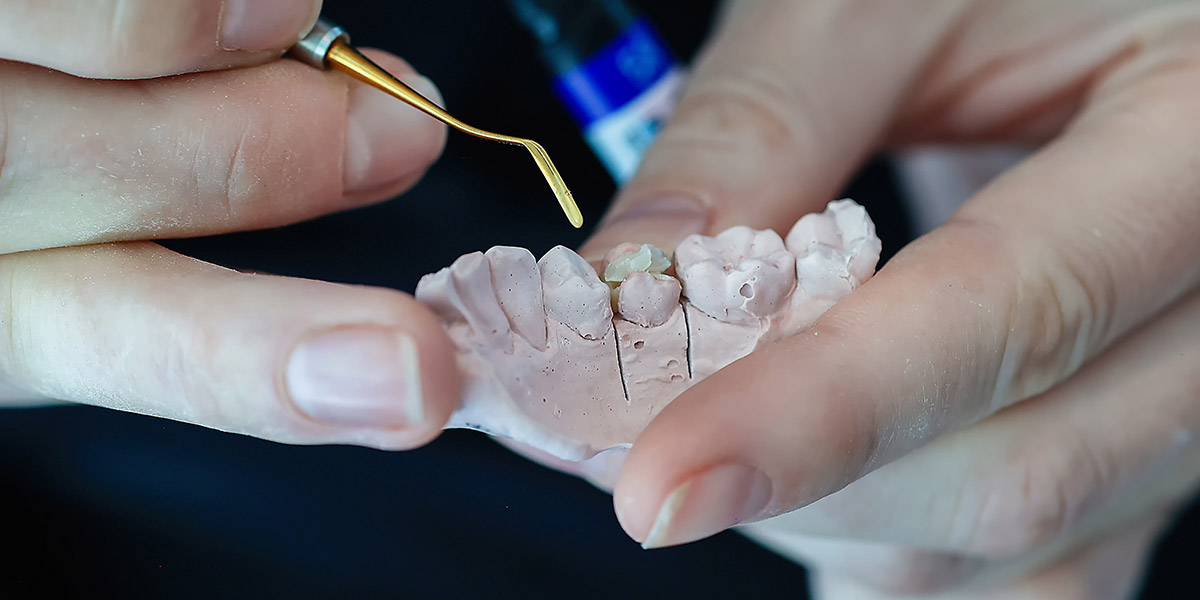
Using specialised equipment and materials, including computer-aided design (CAD) tools, dental technicians can design and produce crowns, bridges, orthodontic braces, and implants.
Many dental technicians begin as trainee dental technicians, completing a training programme that allows them to develop their skills and knowledge in dental technology. Working in a dental laboratory, they collaborate with clinicians and dentists to ensure that every custom dental device fits comfortably and functions effectively.
The ability to communicate effectively with the dental team and understand GDC guidelines is essential for producing safe and high-quality dental appliances.
Collaboration with dental professionals
Dental technicians work closely with various members of a dental team, including dentists, clinical dental technicians and qualified dental nurses. This direct contact ensures that dental appliances are tailored to each patient’s needs and that any adjustments or developments can be made efficiently.
As well as laboratory work, some dental technicians are employed in dental practices or clinics, supporting procedures and advising clinicians and other dental care professionals on materials and techniques. Being part of a coordinated dental team allows dental technicians to contribute to patient care, improve oral health outcomes, and develop their careers within the dental field.
Education requirements for dental technicians
Qualifications and training pathways
To become a dental technician in the UK, aspiring students often start as a trainee dental technician or successfully complete a dental nurse apprenticeship. Entry requirements typically include GCSEs in science subjects, although a foundation degree or vocational course in dental technology can also be a route into the profession.
Trainee dental technicians complete a structured training programme, which combines practical laboratory experience with theoretical study, enabling them to work with dental materials, custom dental devices, and specialised equipment.
Successful completion of a recognised course and registration with the General Dental Council allows trainees to become fully qualified dental technicians and join the professional dental care workforce.
Continuing professional development
Even after qualifying, dental technicians are encouraged to engage in further training to keep their skills and knowledge up-to-date with GDC guidelines and advancements in dental technology.
Continuing professional development encompasses every part of the dental technician’s role, and may include learning new techniques in computer-aided design, exploring innovative materials for crowns, bridges, and orthodontic appliances, or expanding into clinical dental technician roles that allow work directly with patients.
Development programmes help dental technicians maintain high standards of practice, support the dental team effectively, and access career progression opportunities in both laboratories and dental clinics.
The GoDigital Dental approach to training future technicians
Learning beyond the bench
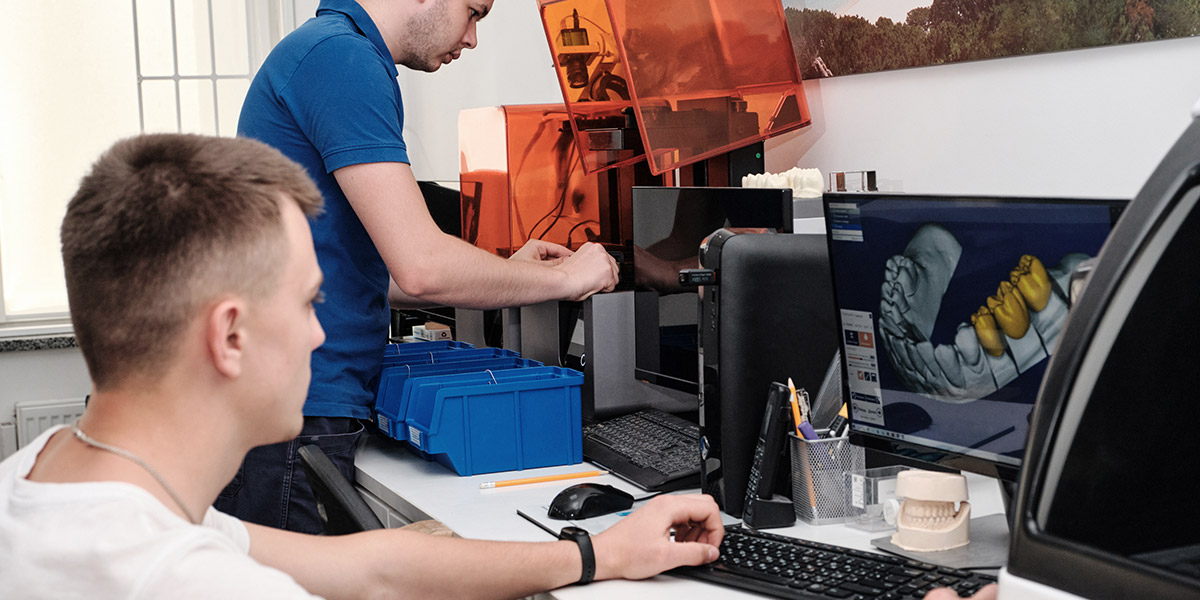
Digital dentistry moves fast. From CAD/CAM design to 3D printing and milling, today’s workflows look very different from what apprentices in traditional labs would have seen in the past. Our apprentices are immersed in this digital environment from day one. Rather than separating theory from practice, we combine both, ensuring they understand not just how to complete a task, but why it matters clinically.
At GoDigital Dental, our structured training plans guide apprentices through every stage of production, including:
- Digital scanning and file management
- CAD design for crowns, bridges, and implant restorations
- CAM processes and material selection
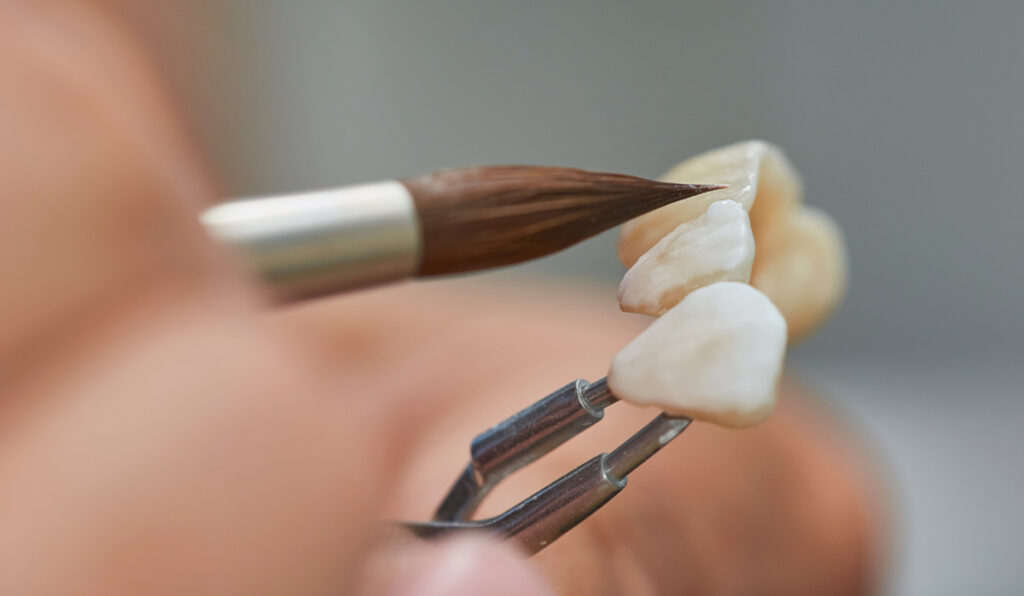
- Finishing, aesthetics, and quality control
Each stage builds confidence and technical precision.
Mentorship that matters
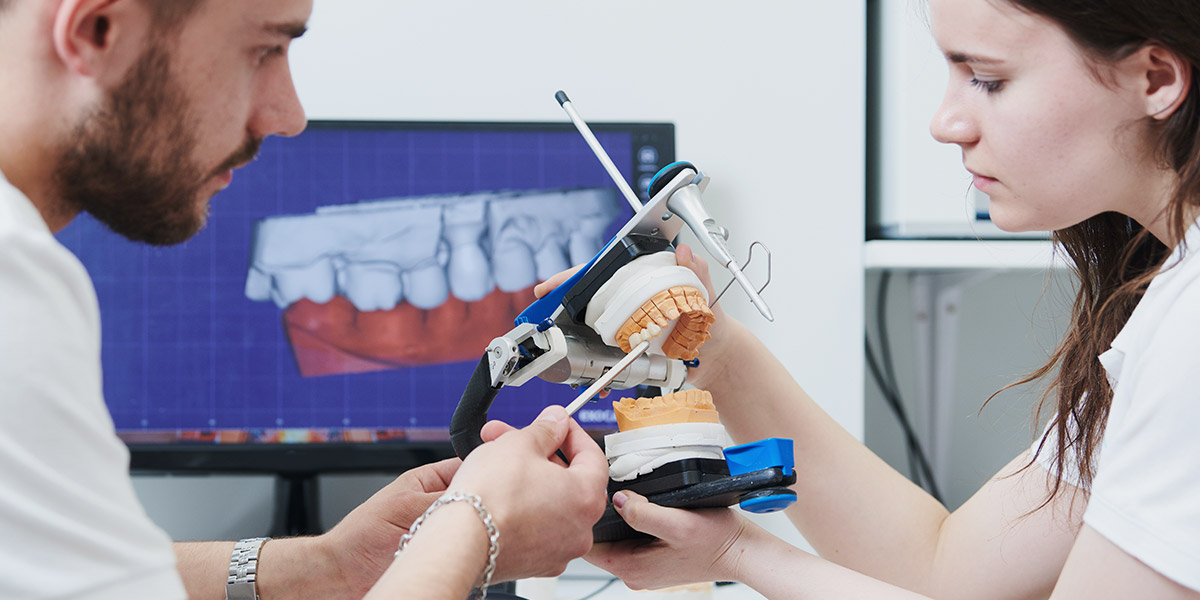
Every apprentice is paired with an experienced dental technician with GDC registration who acts as a mentor. This relationship is central to our approach. We encourage open questions, hands-on demonstrations, and regular feedback sessions. Learning in a dental lab can be complex, and we make sure no one feels left behind.
Mistakes are treated as learning opportunities, not setbacks. Our goal is to create a supportive environment where apprentices feel safe to experiment, refine their skills, and develop professional judgment.
Embracing digital innovation
As a digital lab, we actively invest in the latest technologies and workflows and, as a result of this, our apprentices gain exposure to advanced software, 3D printing systems, and modern restorative techniques. By working with cutting-edge tools, they graduate prepared for the future of dentistry, not the past.
We also encourage continuous professional development, including industry courses, manufacturer training sessions, and collaborative case discussions with clinicians.
Building confidence and career pathways
Supporting apprentices goes beyond technical training. We focus on building confidence, communication skills, and an understanding of the clinical impact of their work. They learn how restorations affect patient outcomes and how collaboration with dentists shapes successful cases.
A commitment to growth
At its core, training apprentices here at GoDigital Dental Lab is about investing in people, quality, and the future of dental technology. By providing structured training, strong mentorship, and exposure to advanced digital workflows, we aim to help apprentices become skilled, confident professionals who are proud of their craft.
Because when our apprentices grow, so does the standard of care we help deliver.
Shaping the next generation of dental technicians
A career as a dental technician involves working with a skilled dental team to create custom dental appliances that improve oral health, combining elements of science, creativity, and patient care. If you enjoy problem-solving, using specialised equipment, and developing your skills through training programmes and further development, this could be a very rewarding career.
At GoDigital Dental, we understand that supporting trainee dental technicians is about more than teaching lab skills; it’s about nurturing confidence, professional judgement, and a deep understanding of patient care. Through structured training programmes, hands-on mentorship, and exposure to advanced digital workflows, apprentices develop the skills and knowledge they need to thrive in the dental field.
By investing in people, technology, and professional development, we help each trainee dental technician grow into a skilled, GDC-registered professional ready to make a real impact in dentistry.
FAQs
What types of dental laboratory work can technicians specialise in?
Dental technicians can specialise in different areas of dental laboratory work depending on their skills and interests. Many focus on creating crowns, bridges, and implants, ensuring these custom-made dental devices are accurate, durable, and fit the dentist’s specifications. Others specialise in orthodontic appliances such as braces, retainers, and aligners. Some technicians develop expertise in cosmetic or aesthetic work, producing veneers and natural-looking teeth restorations.
Another area of specialisation is computer-aided design and manufacturing, where technicians use CAD/CAM technology to create precise restorations efficiently. Each specialism allows technicians to refine their knowledge, improve their skills, and advance their careers in dental technology.
How long does it take to complete dental technician training?
The length of dental technician training in the UK depends on the pathway chosen. A dental nurse apprenticeship or a foundation course, which usually takes around one to two years. These courses provide both practical and theoretical learning, giving trainees a strong start in dental technology. Completing a recognised vocational course or foundation degree in dental technology typically takes two to three years.
After initial training, completing a full training programme in a dental laboratory while gaining practical experience can take an additional one to two years. Overall, most dental technicians become fully qualified and able to register with the General Dental Council within three to five years.
Which soft skills are most useful for a dental technician to have?
Dental technicians need a range of soft skills to succeed in their work. Good communication is essential, as technicians must discuss specifications with dentists, dental nurses, and other members of the dental team. Attention to detail is also very important, ensuring that custom-made dental appliances are accurate and meet quality standards.
Other useful skills include problem-solving, time management, and patience, as creating crowns, bridges, braces, and implants can be complex and precise work. Being organised, able to follow instructions carefully, and able to work well within a team all help dental technicians develop their careers and support the dental practice effectively.
Do dental technicians work directly with patients?
Most dental technicians work behind the scenes in a dental laboratory, creating custom-made dental appliances, crowns, bridges, braces, and implants. Their main role is to produce accurate and high-quality dental devices according to the specifications provided by dentists and the dental team. In this role, technicians do not have direct contact with patients, as their work supports the procedures carried out by clinicians.
Dental technicians focus on using specialised equipment, materials, and techniques to ensure each dental appliance fits properly and functions correctly. By working closely with the dental team, they help maintain high standards of dental care and patient safety.
Are there opportunities for career progression as a dental technician?
Yes, there are opportunities for career progression as a dental technician. As technicians gain experience and complete training programmes, they can take on more complex tasks, work with advanced materials, and use specialised equipment. They may also be given responsibilities such as supervising trainees, managing workflow in a dental laboratory, or overseeing quality control.
Further training and continuing professional development allow dental technicians to improve their skills in areas such as computer-aided design, ceramics, or restorative work like crowns and bridges. Progression can also involve taking on management or mentoring roles, helping the dental team, and contributing to the overall success of the dental practice.