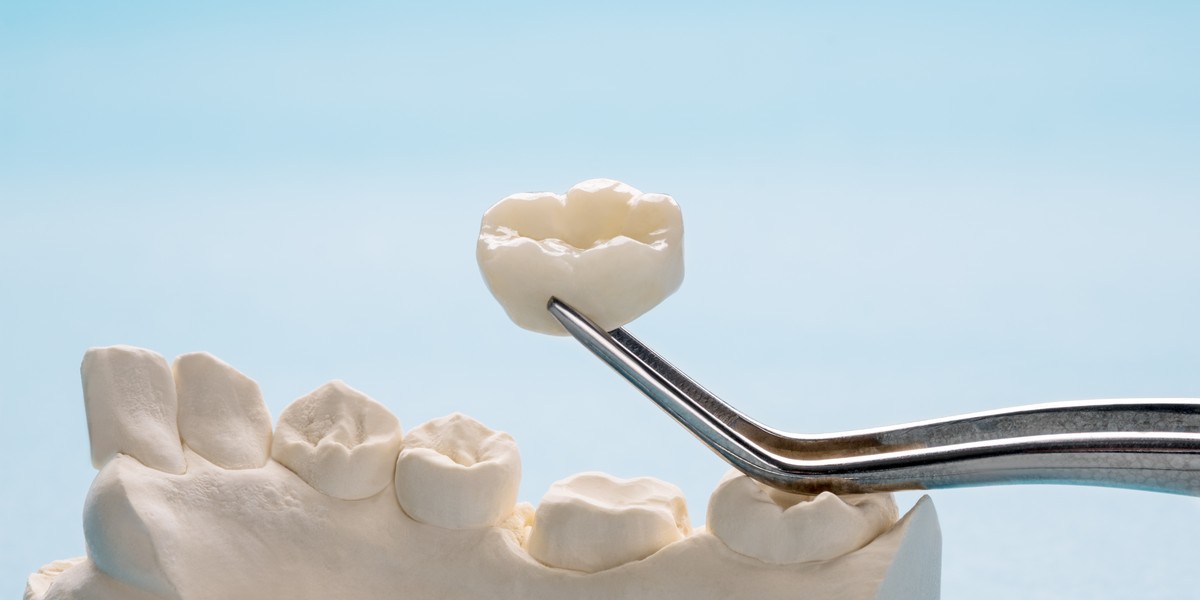
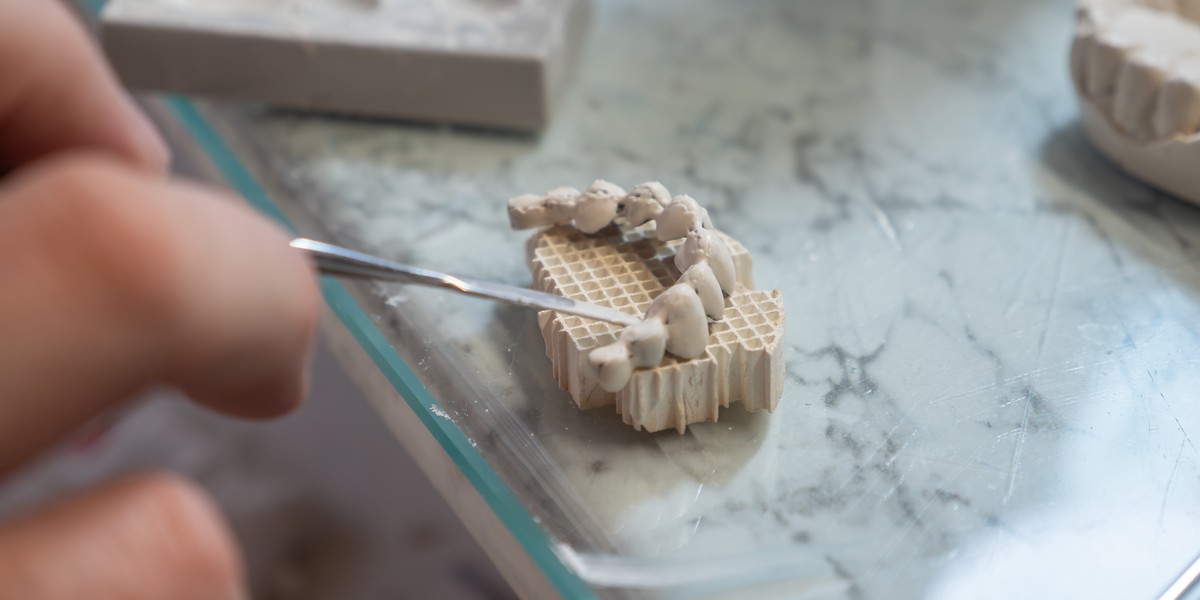
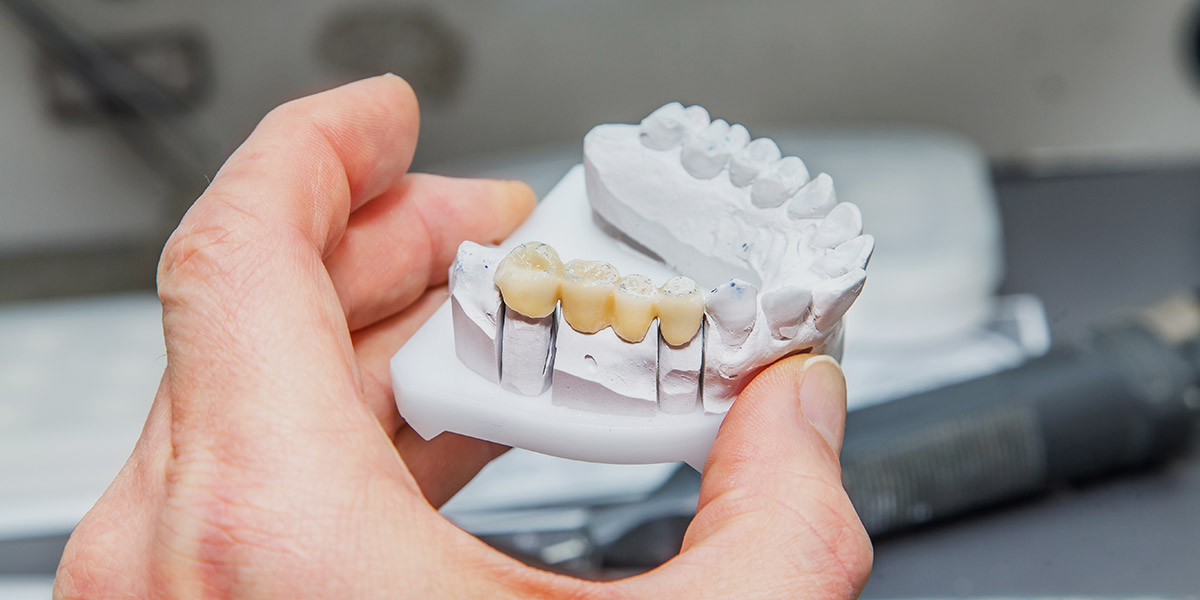
In today’s fast-evolving world of modern dentistry, dental professionals are increasingly adopting digital technology to improve patient care. Choosing digital dental lab partners is no longer optional for practices looking to stay at the forefront of dental technology. Digital dentistry offers a comprehensive range of tools to streamline workflows, enhance clinical outcomes, and deliver predictable outcomes for patients.
With the rise of digital systems and digital workflows, dental practices must carefully evaluate dental laboratories before committing to a partnership. From quality control to production time and design software, each aspect of a lab’s service can directly impact patient satisfaction and the overall success of treatment plans. Understanding what to look for when choosing a digital dental lab ensures dental practices can provide patients with highly accurate restorations efficiently.
Understanding the role of a digital dental lab
What differentiates digital labs from traditional ones
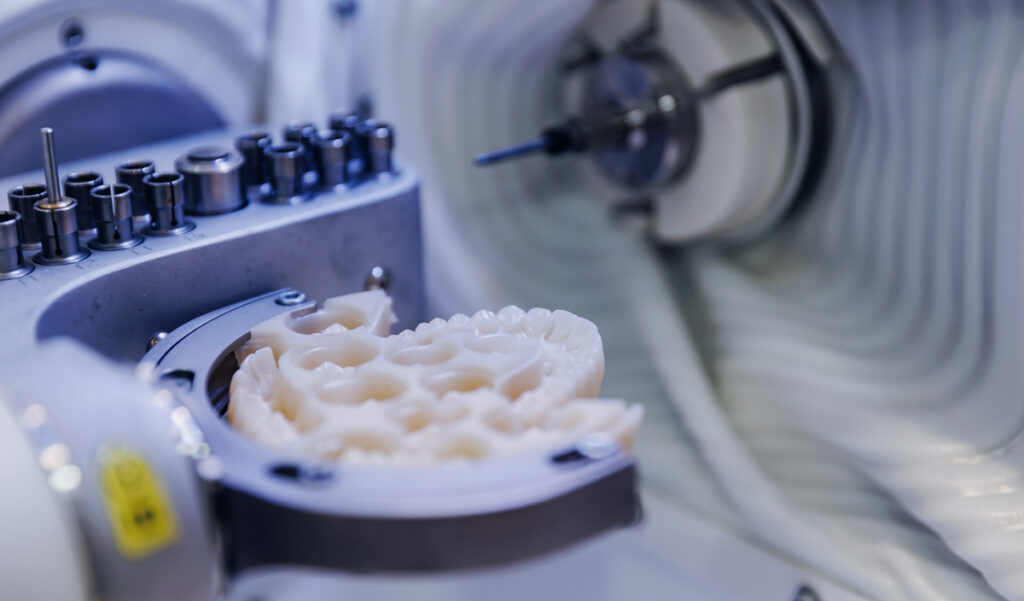
Digital dental labs use cutting-edge technology such as CAD CAM systems and milling machines to produce dental restorations with unparalleled precision.
Unlike traditional dental practices that rely on physical impressions and manual lab work, digital labs use digital files and digital simulations to reduce human error and improve efficiency. This allows dental professionals to provide patients with highly accurate restorations that require fewer adjustments.
As well as a level of precision, digital labs can offer a wider range of restorative solutions, including implant restorations, aesthetic restorations, and tailored solutions for complex treatment plans. These capabilities mean dental professionals can provide patients with consistent quality and predictable outcomes, improving patient satisfaction.
Partnering with a lab that understands digital workflows also helps practices reduce chair time and ensures that patients receive restorations that blend seamlessly with their natural teeth.
How digital workflows improve clinical outcomes
The dental restoration process in a digital lab is made easier with digital scanning, digital designs, and digital impressions. These automated processes give more predictable outcomes, reduce human error, and make delivering dental restorations more efficient. Dental professionals can focus on patient care, knowing the lab will produce high-quality restorations with excellent precision.
Digital simulations and CAD CAM design software let dental technicians check and improve designs before production, creating highly accurate restorations that fit the patient’s teeth. This improves clinical outcomes and makes the patient experience better, with aesthetic restorations, fewer adjustments, and a more comfortable restoration process.
Assessing your practice’s digital readiness
Evaluating existing technology and equipment
Before choosing digital dental lab partners, dental professionals should check the digital systems they already have. Intraoral scanners, milling machines, and design software are important tools for working well with a digital lab. Without them, dental practices may experience delays in making digital restorations and find it hard to maintain consistent quality.
Checking technology also means looking at the practice’s ability to run a fully digital workflow. Practices with modern equipment can use digital processes like digital smile design and digital simulations to plan treatments, make highly accurate restorations, and improve patient outcomes.
Using these tools smoothly helps reduce errors, speed up production, and give more predictable clinical results.
Staff training and integration with digital systems
Staff training is very important when using digital systems in a dental practice. Dental technicians and support staff need to know digital workflows, design software, and intraoral scanning to work well with a digital lab. Well-trained staff reduce errors in digital impressions and help speed up turnaround times for dental restorations.
Training also allows dental professionals to fully utilise digital tools for planning and designing restorations. When staff can confidently operate advanced technology, practices can consistently provide patients with tailored solutions, aesthetic restorations, and high-quality outcomes. Moreover, having a team skilled in digital processes improves efficiency and allows the practice to offer a modern, technology-driven patient experience.
Quality and consistency of restorations
Materials used and their clinical reliability
A high-quality digital dental lab uses strong, biocompatible materials that copy natural teeth. Consistent quality in dental restorations is very important for predictable outcomes, especially for implant restorations or aesthetic restorations where accuracy is key.
Using the latest technology and milling machines, labs can make restorations with excellent precision. Digital quality control systems make sure each restoration meets high clinical standards, letting dental professionals give patients reliable, long-lasting results.
Keeping material quality consistent also means fewer remakes, helping practices improve patient satisfaction and make chair time more efficient.
Accuracy of fit and aesthetic outcomes
Digital dental labs produce highly accurate restorations using digital impressions and CAD CAM designs. This precision reduces the need for adjustments, leading to fewer appointments and less chair time for patients.
Digital simulations and digital smile design tools allow dental professionals to plan restorations that are both functional and aesthetically pleasing. Patients receive restorations that blend naturally with their teeth, improving satisfaction and confidence.
Labs that emphasise accuracy and aesthetics provide dental professionals with the support needed to deliver the highest quality dental care consistently.
Technology, software, and compatibility
CAD/CAM systems and file format compatibility
When choosing a digital dental lab, it is very important to check compatibility with CAD CAM systems and file formats. Labs that can work with different types of digital files and connect smoothly with design software let dental professionals make dental restorations efficiently and accurately.
Compatibility ensures that digital files flow smoothly from the dental practice to the lab, reducing errors and improving production time.
When dental professionals can rely on the technology, they can focus on treatment planning and patient care, delivering predictable outcomes and high-quality restorations with confidence.
Integration with intraoral scanners and imaging platforms
Intraoral scanners and digital imaging platforms are essential for accurate digital impressions. Labs that can work with a variety of scanners allow practices to produce dental restorations efficiently and accurately, improving both patient care and clinical outcomes.
Integration with digital systems also supports advanced tools such as digital smile design and digital simulations. This allows dental professionals to create tailored solutions for patients for better overall aesthetics, reduced chair time, and improved patient satisfaction through predictable, quality restorations.
Communication and collaboration
Real-time case tracking and feedback tools
A reliable digital dental laboratory offers tools for real-time communication and case tracking. With things like apps, dental professionals can check production time, give feedback on digital designs, and make sure each restoration meets quality standards.
These tools also allow quicker adjustments when needed, cutting delays in patient care. Open collaboration between practice and lab improves patient outcomes, helping dental professionals provide tailored restorations efficiently and consistently.
How to establish effective digital communication channels
Clear communication with a lab’s team ensures smooth coordination during the dental restoration process. Automated updates and digital platforms let practices follow each case and solve issues quickly.
This teamwork helps dental professionals improve treatment plans, adjust digital designs, and make sure patients get aesthetic restorations that work well and look natural. A lab partner who encourages open communication builds trust and enhances the overall patient experience.
Turnaround times and logistics
Expected timeframes for design and production
Understanding production time and turnaround times is critical when choosing a digital dental lab. Automated digital processes allow labs to produce dental restorations faster than traditional methods, ensuring predictable outcomes and improved patient satisfaction.
Shorter production times also allow dental professionals to reduce chair time and deliver treatments efficiently. Reliable turnaround supports better planning for complex treatment plans, including implant restorations, and helps dental practices provide patients with a smooth, positive experience.
Shipping, delivery options, and remakes
Even with digital technology, some restorations may require remakes. Labs that offer flexible delivery options and efficient logistics minimise delays, allowing dental professionals to provide patients with uninterrupted care.
Digital transmission of files further reduces production time by allowing remote design and collaboration. This ensures that dental practices can consistently deliver superior restorations, improving patient outcomes, satisfaction, and the overall efficiency of their dental restoration process.
Compliance, data security, and regulations
GDPR and patient data protection requirements
Digital dental labs handle sensitive patient data, including digital files and treatment plans. Compliance with GDPR and data security standards ensures that patient information is protected during the dental restoration process, reducing the risk of data breaches or human error.
Secure digital systems also enable practices to focus on patient care rather than worrying about data security. Ensuring the safe handling of digital impressions and digital restorations improves patient confidence and strengthens the reputation of both the dental lab and the dental practice.
CE marking and UK regulatory standards for dental devices
UK dental laboratories must comply with CE marking and regulatory standards to guarantee safe, reliable dental restorations. Compliance ensures that materials, digital designs, and processes meet high clinical standards, improving both patient outcomes and practice credibility.
Partnering with compliant labs allows dental professionals to focus on clinical outcomes, knowing that quality control, regulatory requirements, and patient safety are all maintained. High-quality restorations, predictable outcomes, and reliable service are consistently achievable.
Cost, value, and long-term partnership potential
Transparent pricing and hidden costs to watch for
The best digital dental labs provide transparent pricing for services, avoiding hidden costs for remakes or design adjustments. Clear pricing allows practices to budget effectively while delivering the level of dental care patients expect.
Transparent pricing also ensures dental professionals can evaluate value for money. Labs that offer consistent quality, a comprehensive range of services, and cutting-edge technology deliver better long-term outcomes, fewer delays, and an improved patient experience.
Evaluating long-term collaboration and scalability
Successful partnerships with digital labs are built on reliability, expertise, and scalability. Labs offering a comprehensive range of digital restorations and tailored solutions can support practices as they grow, ensuring consistency in the restorations they produce.
Long-term collaboration allows dental professionals to adopt the latest technology with confidence. Trusted lab partners help deliver predictable outcomes, improve patient satisfaction, and provide ongoing support for a modern dental practice committed to the highest quality dental care.
Let our expert team at GoDigital Dental lab help you deliver the best restorations for your patients’ teeth
At GoDigital Dental Lab, we use advanced digital technology and the skills of our experienced dental technicians to provide reliable restorations for every patient. Our CAD/CAM systems, 3D printing, and careful quality control make sure each restoration is accurate, aesthetic, and dependable.
Working with us means your practice enjoys smoother workflows, faster production, and consistent results. Whether your practice is fully digital or moving from traditional methods, our team offers support to connect seamlessly with your digital systems and improve patient satisfaction.
Our expert team at GoDigital Dental Lab can help you give patients precise, aesthetic restorations while reducing chair time and remakes. Together, we can raise your practice standards and make sure every patient receives excellent dental care.
FAQs
What should I look for in a long-term lab partnership?
When looking for a long-term lab partnership, choose a dental laboratory that offers consistent quality, reliable service, and clear communication. The lab should use the latest digital technology, such as CAD/CAM systems and intraoral scanner compatibility, to produce accurate restorations quickly and efficiently. They should also provide a comprehensive range of services to cover all types of restorations.
It is also important to find a lab that understands your workflow and can grow with your dental practice. Look for transparent pricing, strong quality control, and experienced dental technicians who support predictable outcomes. A trusted lab partner helps you provide patients with restorations that last and long-lasting satisfaction.
How can I manage costs while maintaining high-quality lab work?
Managing costs while keeping high-quality lab work starts with choosing a dental lab that uses efficient digital workflows. Using digital impressions, CAD/CAM technology, and automated processes helps reduce errors and the need for remakes, saving time, materials, and extra expenses.
Another way to control costs is by planning cases carefully and talking about material options with the lab. Picking the right materials and knowing production methods can stop unnecessary expenses. Maintaining a good relationship with a lab ensures reliable turnaround times and consistent results, helping dental professionals give precise, durable restorations while keeping overall costs under control.
Are there benefits to sending digital impressions to a lab instead of physical moulds?
There are several benefits to sending digital impressions to a lab instead of physical moulds. Digital impressions are more accurate, lowering errors that can happen with traditional impressions. This lets dental technicians make restorations that fit exactly, leading to fewer adjustments and more predictable outcomes.
For patients, digital impressions are faster, more comfortable, and less invasive than traditional moulds. They reduce the need for extra appointments and cut down chair time. Files can be sent straight to the lab, speeding up the restoration process, which improves patient satisfaction and ensures they get reliable, well-fitting restorations efficiently.
Can dental labs help with things like shade matching?
Dental labs can help with shade matching to make restorations blend naturally with a patient’s teeth. Skilled dental technicians use colour guides, digital tools, and advanced technology to choose the right shade for crowns, veneers, and other restorations. This helps create aesthetic results that look natural and pleasing.
Labs can also give advice on things like translucency and surface texture to match the surrounding teeth. By working closely with dental professionals, they can make changes during the design process, making sure patients get restorations that fit well and match the colour and look of their natural teeth.
Will dental technicians be available for case consultations or troubleshooting?
Dental technicians are often available for case consultations and troubleshooting. They can review treatment plans, digital designs, and impressions to provide guidance on the best approach for each restoration. Their expertise can also help identify potential challenges early, preventing delays or remakes. This support helps ensure the final result is accurate and meets the patient’s needs.
Technicians can also advise on adjustments, material choices, and solutions if issues arise during the restoration process. Working closely with the lab team allows dental professionals to reduce errors, improve the fit and appearance of restorations, and provide patients with predictable outcomes and a smoother, more efficient dental treatment experience.
Would switching to a digital dental lab improve workflow efficiency or reduce chairside adjustments?
Switching to a digital dental lab can significantly improve workflow efficiency. Digital labs use CAD/CAM technology, digital impressions, and automated processes to produce restorations quickly and accurately. This reduces the time needed for sending and receiving physical impressions, allowing dental professionals to manage cases faster and more efficiently.
Digital workflows also help reduce chairside adjustments. Highly accurate digital designs and precise milling produce restorations that fit better the first time. Fewer adjustments mean shorter appointments, less patient discomfort, and improved outcomes. Overall, using a digital dental lab supports smoother operations and enhances both practice efficiency and patient satisfaction.
What steps can I take to build a stronger, more efficient relationship with my lab team?
To build a stronger, more efficient relationship with your lab team, start by keeping clear and consistent communication. Share detailed treatment plans, accurate digital files, and specific instructions for each case. Letting the lab know about patient needs and expectations helps them provide precise, tailored restorations.
Regular collaboration is also key. Arrange case consultations, talk about material choices, and give feedback on restorations to help the lab improve their work. Understanding each other’s workflows and sharing updates on digital processes makes production smoother, reduces errors, and improves turnaround times, so patients get consistent, reliable restorations efficiently.
Is it important that a dental lab is certified with industry bodies like DAMAS?
It is important that a dental lab is certified with industry bodies like DAMAS because it shows they meet recognised standards for quality, safety, and reliability. Certification ensures that the lab follows proper procedures, uses safe materials, and maintains strict quality control throughout the dental restoration process.
Working with a certified lab gives dental professionals confidence that restorations will be consistent and accurate. It also helps protect patients by ensuring that all work complies with industry regulations. Certification demonstrates the lab’s commitment to high standards, reliable service, and predictable outcomes for both practices and their patients.
Are there protocols in place to ensure patient data and prescription information are handled securely?
Dental labs have protocols in place to ensure patient data and prescription information are handled securely. They use encrypted digital systems, secure file transfer methods, and password-protected platforms to protect sensitive information. These measures reduce the risk of data breaches and maintain confidentiality throughout the dental restoration process.
Labs also follow regulatory standards such as GDPR to safeguard patient information. Staff are trained in proper data handling, and digital workflows are designed to minimise human error. These protocols help dental professionals share treatment plans and digital files confidently, knowing that patient data is secure and managed responsibly at every stage.
Will a dental lab be able to offer support to help practices transition to digital dentistry?
A dental lab can give useful support to help practices move to digital dentistry. They can advise dental professionals on choosing and using intraoral scanners, CAD/CAM systems, and other digital tools. Labs often provide guidance on adding digital workflows to current practice processes, making the transition easier.
Labs can also help with staff training, design software advice, and troubleshooting during the early adoption stage. By working closely with the lab team, practices can reduce errors, shorten learning curves, and work more efficiently. This support helps dental professionals give patients predictable, accurate restorations while using modern digital dentistry.