A well-planned dental lab partnership strategy is key for any dental practice looking to grow sustainably while delivering high-quality patient care. Strong collaboration between dentists and dental labs supports better workflows and outcomes, and higher patient satisfaction.
Here’s how dental professionals can develop an effective partnership with a dental laboratory to enhance care quality, manage complex cases, and ensure ongoing success in modern dentistry.
Aligning clinical vision and laboratory capability
A strong relationship between a dental practice and a lab partner starts with a shared clinical vision. Dentists need to be clear about their treatment philosophy, patient expectations, and quality standards. This includes how treatment options are explained to patients, how materials are chosen, and how outcomes are checked. When they know their priorities, they can look for dental labs whose expertise and capabilities align with them.
A dental laboratory that understands the practice vision can turn it into lab work that delivers exceptional patient care. This depends on open communication and a shared commitment to excellence. By working together to define what success means, both sides build a strong partnership that improves patient care and helps dentists make informed decisions throughout the treatment plan.
Translating your practice philosophy into consistent laboratory outcomes
Consistency in dental restorations relies on clear communication of what dentists expect from their dental lab. Dentists should give specific instructions regarding things like the fit and shade of the restoration, as well as techniques they think would be best, and provide feedback on past work so technicians can improve processes over time. This is especially important for complex cases where small differences in materials or design can affect the final restoration outcomes. Clear communication channels help make sure the lab understands the importance of aesthetics, fit, and durability.
Constructive feedback is essential for achieving high-quality restorations. Instead of focusing only on problems, dentists should also point out what works well and where improvements are needed. This approach builds mutual respect and strengthens collaboration.
Selecting a laboratory partner for long-term collaboration
Choosing the right lab partner is a strategic decision with long-term implications on dental practices, so they should evaluate dental labs not only on price, but also on expertise, technologies, capacity, and reliability. A laboratory that invests in training, digital tools, and modern techniques is better equipped to support practice growth. Compatibility in values and communication style is equally important for maintaining a productive relationship.
A strong partnership requires trust and transparency. Dentists should look for a lab that is open about processes, turnaround times, and limitations. This openness allows practices to plan treatment more effectively and set realistic expectations for patients. Selecting a dental laboratory that views the relationship as a partnership rather than a transaction is key to ongoing success.
Assessing technical scope, capacity planning and cultural fit
Technical capabilities are essential when managing a wide range of restorations, from single crowns to complex full arch cases. Dentists should take the time to establish whether the lab has experience with the materials, techniques, and treatment options commonly used in their practice. This includes understanding how the lab handles digital impressions, layered ceramics, and implant restorations.
Cultural fit is also crucial for seamless collaboration. A lab which demonstrates that they value communication, quality, and continuous improvement will fit more easily into the practice workflow. Capacity planning is also important, as the lab must manage growth without affecting turnaround times or care quality.
Establishing clear communication and feedback frameworks
Effective communication is the foundation of any effective partnership. Clear communication channels reduce errors, minimise remakes, and improve efficiency. Dentists should establish standard processes for case submission, queries, and feedback. This ensures that information flows smoothly between the practice and the lab, even during busy periods.
Open communication also supports better collaboration on treatment planning. When dentists and technicians can discuss cases proactively, challenges are identified earlier, and solutions are developed collaboratively. This level of interaction enhances patient outcomes and supports high-quality patient care.
Structuring case discussions to reduce remakes and chair time
Communication is essential for reducing misunderstandings. Detailed prescriptions, photographs, and digital impressions all help technicians create accurate work, while clear communication about margins, occlusion, and aesthetic preferences helps reduce adjustments and remakes, saving chair time and improving efficiency.
Constructive feedback after the case has been completed is just as important. Dentists should share insights on fit, function, and patient satisfaction with their lab, as this gives them an opportunity to refine their processes and techniques. Over time, it also helps reduce errors and strengthen the relationship between dentists and lab technicians, leading to continuous improvement.
Integrating digital workflows to support scalability
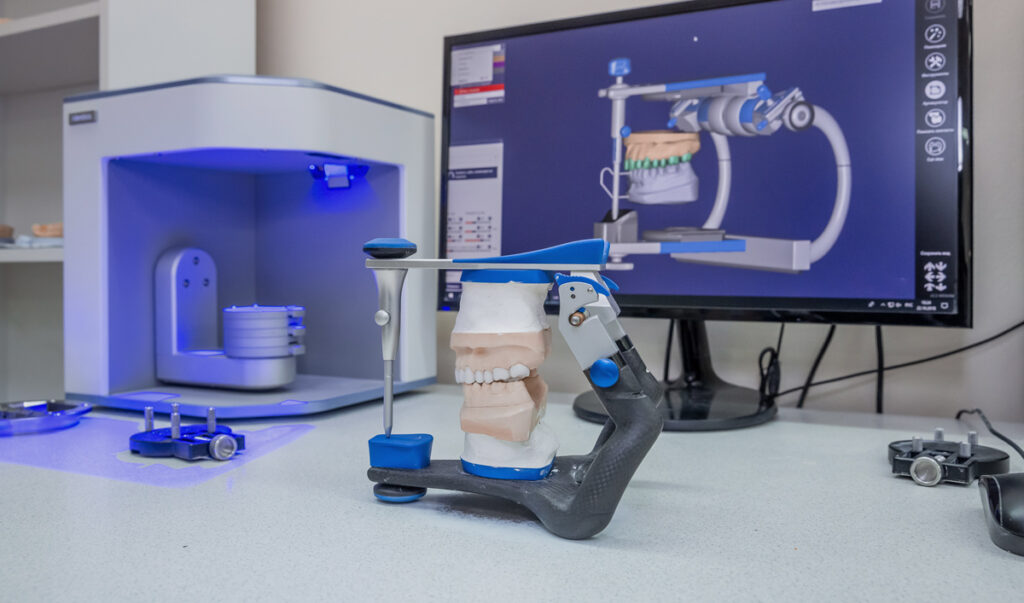
Digital dentistry has changed the industry. Switching to digital workflows increases accuracy, speed, and predictability, making them essential for scalable growth. Practices that are willing to invest in compatible digital tools gain the benefits of more efficient workflows and better communication with their lab partner.
Digital communication tools also support faster turnaround times and reduce the risk of data loss or misinterpretation. When both sides use aligned technologies, the process becomes more streamlined and reliable. This integration is a key component of a modern dental lab partnership strategy.
Coordinating software, scanners and data transfer protocols
Software platforms and scanners requires coordination for effective digital collaboration. Dentists should ensure that their digital impressions and files are compatible with the lab systems. Clear protocols for data transfer, file naming, and case updates reduce confusion and delays.
Training is essential to maximise the benefits of digital tools. Both dental professionals and technicians should stay updated on new technologies and techniques. Regular discussions about workflow optimisation help maintain efficiency and ensure that digital dentistry supports rather than complicates the treatment process.
Managing quality, turnaround times and risk
Quality management is central to patient care and practice reputation. Dentists rely on their dental lab to deliver restorations that, as well as meeting patients’ expectations, meet clinical and aesthetic standards. Clear agreements on turnaround times, quality benchmarks, and contingency planning help manage risk and maintain patient satisfaction.
Tracking performance over time allows practices to identify trends and address issues early. This proactive approach supports ongoing success and reduces the likelihood of any major disruptions to patient care. A shared focus on quality and efficiency strengthens the partnership and supports growth.
Implementing shared standards and performance checkpoints
Shared standards give a clear reference for checking lab work. These standards should include materials, techniques, and finishing processes to make sure the work is consistent. Performance checkpoints, like periodic meetings, let both sides review outcomes and talk about improvements.
Regular check-ins help keep open communication and mutual respect. They give a chance to solve challenges, review turnaround times, and discuss upcoming changes in the practice. This structured approach supports effective collaboration and lowers risk.
Commercial transparency and financial sustainability
Financial factors play an important role in any partnership. Clear pricing structures help practices plan treatment and explain costs to patients. A dental lab partnership strategy balances keeping costs under control with investing in quality, technologies, and expertise.
Long-term sustainability depends on fairness and predictability, so practices should understand the materials, labour, and turnaround times that make up lab pricing. Open talks about commercial expectations help avoid misunderstandings and support a strong partnership built on trust.
Balancing fee structures with predictable growth and investment
As practices grow, volume and complexity of cases often increase. Fee structures should reflect this evolution while remaining sustainable for both sides. Dentists should work with their lab partner to review pricing from time to time and be flexible in adjusting as needed to support growth.
Investment in new materials, digital tools, and training benefits both the practice and the lab. By aligning financial planning with strategic goals, both parties contribute to an effective partnership that supports excellence and efficiency over time.
Future-proofing the partnership as the practice evolves
Dentistry is constantly changing, driven by new technologies, regulations, and patient expectations. A future-focused dental lab partnership strategy helps practices adapt without compromising care quality. Flexibility and continuous improvement are essential for maintaining relevance in modern dentistry.
Practices should seek lab partners who are committed to innovation and education. This shared commitment ensures that both sides are prepared to meet new challenges and deliver high-quality patient care as treatment approaches evolve.
Adapting to new treatments, regulations and patient expectations
New treatment options and techniques require ongoing collaboration between dentists and technicians. Regular discussions about emerging trends help both sides stay aligned and make informed decisions about adoption. This proactive approach supports exceptional patient care and long-term success.
Patient expectations continue to rise, particularly around aesthetics, speed, and communication. A strong partnership that prioritises digital workflows, clear communication, and quality helps practices meet these expectations. By maintaining open communication and a shared focus on excellence, dental professionals and labs can ensure ongoing success in a changing landscape.
GoDigital Dental: dental restorations from a team you’ll love working with!
At GoDigital Dental, we know that a strong dental lab partnership strategy is essential for practices looking to grow while delivering high standards of patient care. As a digital dental laboratory, we combine advanced workflows with technical expertise to produce dental restorations that support your clinical goals and improve patient outcomes. By prioritising precision, reliable turnaround times, and clear communication, we help dental professionals boost efficiency and patient satisfaction.
When you choose GoDigital Dental, you get a lab partner that values collaboration, mutual respect, and long-term relationships. Our team ensures seamless collaboration and restorations that support exceptional patient care. By focusing on quality, efficiency, and open communication, we help ensure ongoing success for your practice and predictable outcomes for your patients.
FAQs
What turnaround times can we realistically expect from a dental laboratory?
Turnaround times from a dental laboratory can vary depending on the type of restoration, the complexity of the case, and the materials used. For example, lab restorations like single crowns may take a few days, while more complex cases, such as full arch or implant work, can take longer. Using digital workflows and clear communication with the lab can help reduce turnaround times and make outcomes more predictable.
It is important to talk about expected timelines with your lab partner and check how they handle urgent cases. Regular check-ins and structured processes keep cases efficient without affecting quality. Always allow extra time for complex cases or adjustments.
Can a dental lab support specialised or complex cases?
A dental lab can support specialised or complex cases if they have the right expertise, technologies, and experience. Laboratories with skilled technicians and advanced digital tools can handle full arch restorations, implant cases, and aesthetically demanding work. Clear communication and detailed instructions from the dentist are essential to ensure the final restoration meets clinical and patient expectations.
Complex cases require careful planning, collaboration, and feedback between the practice and the lab. Regular check-ins and structured workflows help address challenges, manage materials, and maintain quality. Working with a lab that is confident in these procedures ensures predictable outcomes and high-quality patient care.
How do we set expectations with patients regarding the restorations our lab will be producing?
Setting expectations with patients begins with simple explanations of the treatment plan, materials, and steps that will be involved in their restorations. Dentists should show patients what the final restoration will look like, how long its creation will take, and any parts that might need adjustments. Pictures and examples can help patients understand what to expect and feel confident about the outcome.
It is also important to be open about possible challenges, timelines, and follow-up appointments that might occur. Regular updates during treatment build trust and help patients make informed decisions. Clear communication ensures patients understand the process and supports excellent patient care.
At what point should we consider changing our agreement with a dental laboratory?
You should consider changing your agreement with a dental laboratory when your practice is growing, and the current level of service no longer meets your needs. If an increase in patient demand, new treatment options, or more complex cases mean the lab cannot keep up with turnaround times or efficiency, it may be time to update the agreement.
Discussing changes early allows both sides to plan for higher volumes, faster workflows, or additional support. Adjusting processes, responsibilities, or timelines ensures the lab can continue to deliver consistent results. Updating the agreement helps the practice manage growth while maintaining smooth collaboration and excellent patient care.
How does a dental lab handle unclear prescriptions or missing case details?
The first thing a dental lab does when unclear prescriptions or missing case details come through is review the submission carefully to pinpoint exactly what they are missing. The lab then contacts the dentist to confirm instructions, clarify materials, or request additional information, such as extra digital impressions or photos, so they can get the case moving and to the technicians.
Some labs have set processes for dealing with incomplete cases, including checklists and review steps before starting work. Waiting for the right details helps avoid mistakes and remakes. Clear, quick communication from the practice allows the lab to finish the restoration efficiently and accurately.
What are the advantages of working with a digital dental lab over a traditional one?
Working with a digital dental lab offers several advantages over a traditional one. Digital tools and workflows improve accuracy, reduce errors, and create more consistent restorations. Digital impressions and designs allow for faster turnaround times, which helps practices manage cases efficiently. Advanced technologies also make it easier to handle complex cases and produce restorations that meet patient expectations.
Digital labs support seamless collaboration through clear communication and easy sharing of case details. They can adapt quickly to new materials and techniques, helping dental professionals stay up to date with modern dentistry. This approach enhances patient care and ensures ongoing success.
Can a dental lab provide case photos, digital previews, or design files for us and the patient to review?
A dental lab can provide case photos, digital previews, and design files for review by the practice and the patient. These tools help dentists check the proposed restoration for fit, aesthetics, and function before it is finalised. Digital previews and files also allow the patient to understand the expected outcome, supporting informed decisions and improving satisfaction.
Providing these materials encourages clear communication between the lab and dental professionals. It helps identify potential issues early, reduces remakes, and ensures the final restoration meets clinical and patient expectations. Sharing visuals and files supports patient care and efficient workflows.
How do dental labs ensure shade accuracy and aesthetic consistency?
Dental labs are able to ensure shade accuracy and aesthetic consistency of the restorations they create by using standard shade guides, digital colour matching tools, and a careful choice of materials. Technicians compare natural teeth to the selected shade and may use photos or digital scans to capture details of translucency, texture, and brightness. This helps restorations match the patient’s natural teeth.
Consistent methods and clear communication with the dentist are important. Labs follow set steps for layering, finishing, and polishing materials, and check cases before sending them back. Regular feedback from both colleagues and dental clients helps them understand when they are working well, making sure restorations meet patient expectations and match existing work.
What training is needed for staff to help them work best with a digital dental laboratory?
Staff need training in digital dentistry tools and workflows to work well with a digital dental laboratory. This includes learning how to take accurate digital impressions, use scanners, and work with design software. It is also important to understand the lab’s requirements for case submissions, file formats, and specific instructions.
Ongoing training helps staff keep up with new technologies, materials, and techniques. Regular practice in sending cases, checking digital previews, and giving constructive feedback improves efficiency and reduces mistakes, whilst clear communication and a good understanding of digital tools aids effective collaboration, more efficient turnaround times, and consistent results that meet patient expectations.