GoDigital Dental Lab Veneers

We combine advanced CAD/CAM technology with skilled ceramic craftsmanship to produce highly aesthetic, ultra-precise dental veneers designed for modern restorative and cosmetic dentistry.

Our fully digital workflow helps us turn your preparation design into restorations with excellent accuracy and consistency from initial scan approval through to final cementation. 

Whether you are restoring a single tooth or completing a full smile makeover, our process is designed to support efficient workflows and reduce the need for chairside adjustments. Each case is reviewed by our technicians to ensure appropriate material selection, accurate shade matching, and balanced anatomy in line with aesthetic goals.

The result is a reliable, communication-focused service that supports accurate fit, proper function, and long-term performance. It also delivers high-quality aesthetics that meet patient expectations for modern veneer restorations.

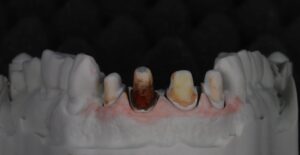
dental lab veneers
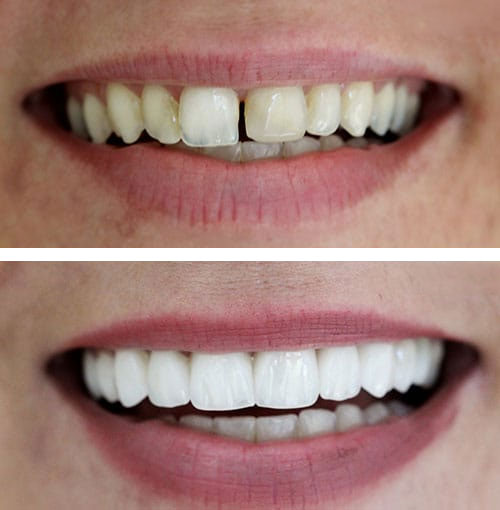
dental veneers example1
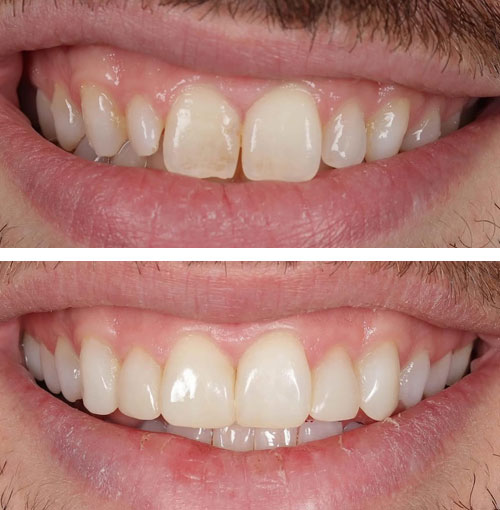
dental veneers example2
Flexible solutions for every veneers restoration

Why choose GoDigital Dental Lab for Veneers?

Whether your patient requires a single veneer or a full smile makeover, we can help. Using advanced digital planning and bespoke smile design, each veneer is carefully crafted to suit your patient’s facial features, natural dentition, and aesthetic goals. At GoDigital Dental, we combine precision digital workflows with high-quality ceramic materials to create natural-looking veneer restorations with exceptional fit, function, and aesthetics.

Digital precision

With our digital dental workflow, each veneer is designed with exceptional accuracy for consistent margins, a precise fit, and predictable results. This process delivers reliable repeatability across multiple cases.

Support from start to finish

We work closely with you from scan submission to final fit, with clear communication through photos and guidance at every stage of each case to ensure the best outcomes. Your input makes a difference to our quality.

Natural-looking results

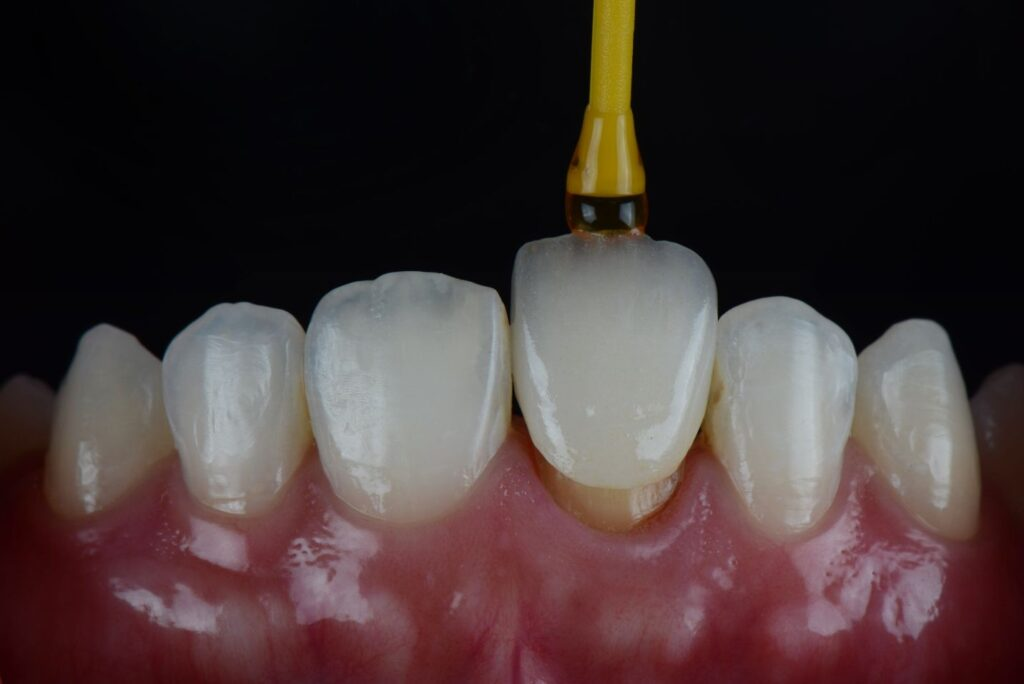
Each veneer is crafted to replicate natural tooth anatomy, with translucency, surface texture, and shade all carefully controlled during manufacturing for a natural look. We create restorations that blend seamlessly for lifelike results.

Choice of material

We offer a range of high-quality ceramic materials, allowing you to select the most suitable option based on strength requirements, aesthetic demands, and case complexity. We work hard to give your patients a natural result.

The Veneers Process - Step 1

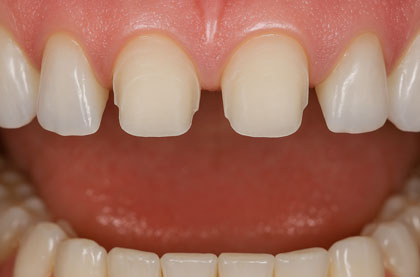
Preparation

Successful veneers start with a careful, enamel-focused preparation approach. We support minimal reduction methods that keep as much natural tooth structure as possible while creating the ideal space for ceramic strength and good translucency, so careful attention is given to reduction depth and evenness to make sure the final restoration has a great chance to achieve both strength and high aesthetic quality.

Maintaining enamel wherever possible helps to improve the bonding accuracy of the final veneers, as well as the long-term clinical results. Before moving on to the next step, the preparation is reviewed to confirm it meets the requirements for veneer placement, ensuring there is enough space for the ceramic material while maintaining a consistently careful approach.

Image
The Veneers Process - Step 2

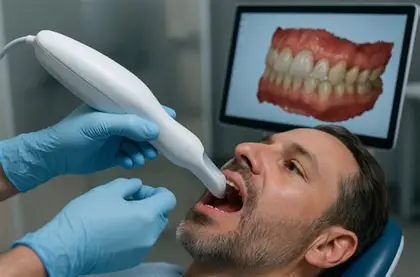
Digital scanning for veneers

Once the teeth are properly prepared, an intraoral scan captures every detail with exceptional clarity to create a highly accurate digital impression, allowing us to begin the design process immediately. The result is distortion-free accuracy, a precise marginal fit, and clear communication between the dentist and the technician throughout the case.

The digital scan forms the foundation of the entire veneer workflow. Getting it right means we can be confident that every stage of design and manufacture is based on reliable, detailed information and supports a smooth transition from preparation to final restoration.


Image
The Veneers Process - Step 3

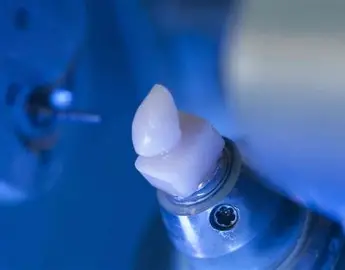
CAD/CAM Manufacturing at GoDigital Dental

Our technicians design each veneer using advanced CAD software,  carefully shaping it so that it matches the patient’s smile line, facial features, and functional needs. This ensures each restoration balances aesthetics with function.

We manufacture veneers using carefully selected materials for different clinical needs:

  • High-strength lithium disilicate ceramics, offering strong bonding, excellent translucency, and natural aesthetics for anterior restorations.

  • Translucent zirconia, providing high strength with improved light transmission for cases needing durability and appearance.

  • Ultra-thin aesthetic ceramics, which allow conservative preparations while still achieving lifelike shade and detail.

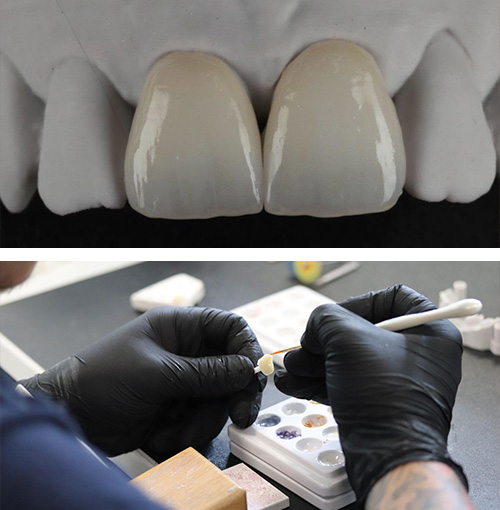
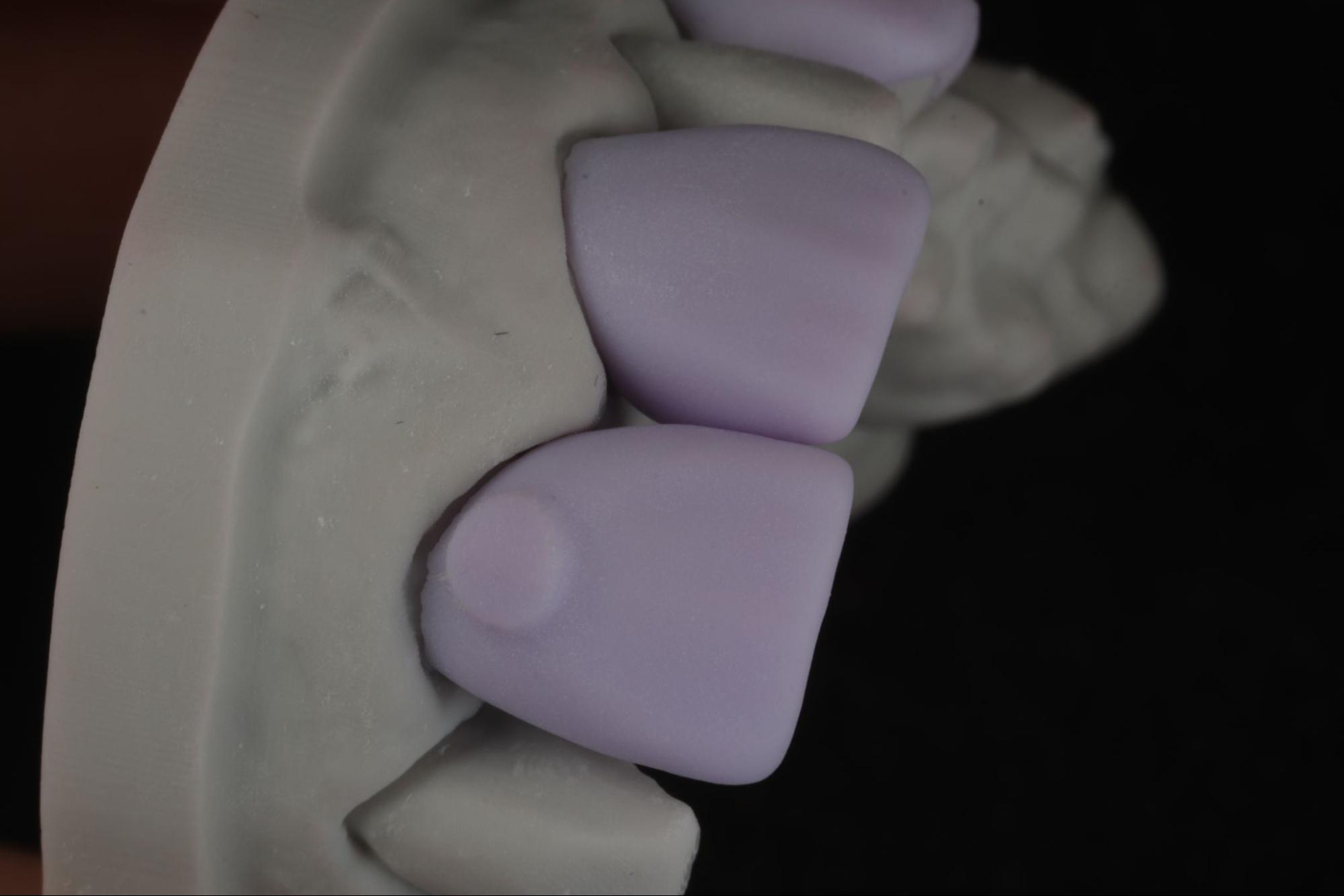
Each restoration is milled for accuracy and consistency, then hand-finished by our ceramics team to improve surface detail and translucency. The last step is to digitally check and refine to ensure a precise fit and a natural blend with the surrounding dentition before sending along to the dentist for fitting.

Image
Image
The Veneers Process - Step 4

Cementation

Image

Once the dentist receives the veneers, they can then fit them for their patient. We design our veneers to integrate seamlessly with modern adhesive protocols.

The recommended process includes a try-in using water-soluble pastes, followed by careful cleaning and proper isolation of the tooth surface.

The veneer is then prepared with etching and silanation, while the enamel is etched and treated with the appropriate adhesive system. Final placement is completed using a light-cured resin cement to achieve strong, durable bonding and long-term stability.

This approach supports accurate seating, reduces the need for adjustment, and helps maintain long-lasting aesthetic results.

How are veneers customised to match natural teeth colour and texture?

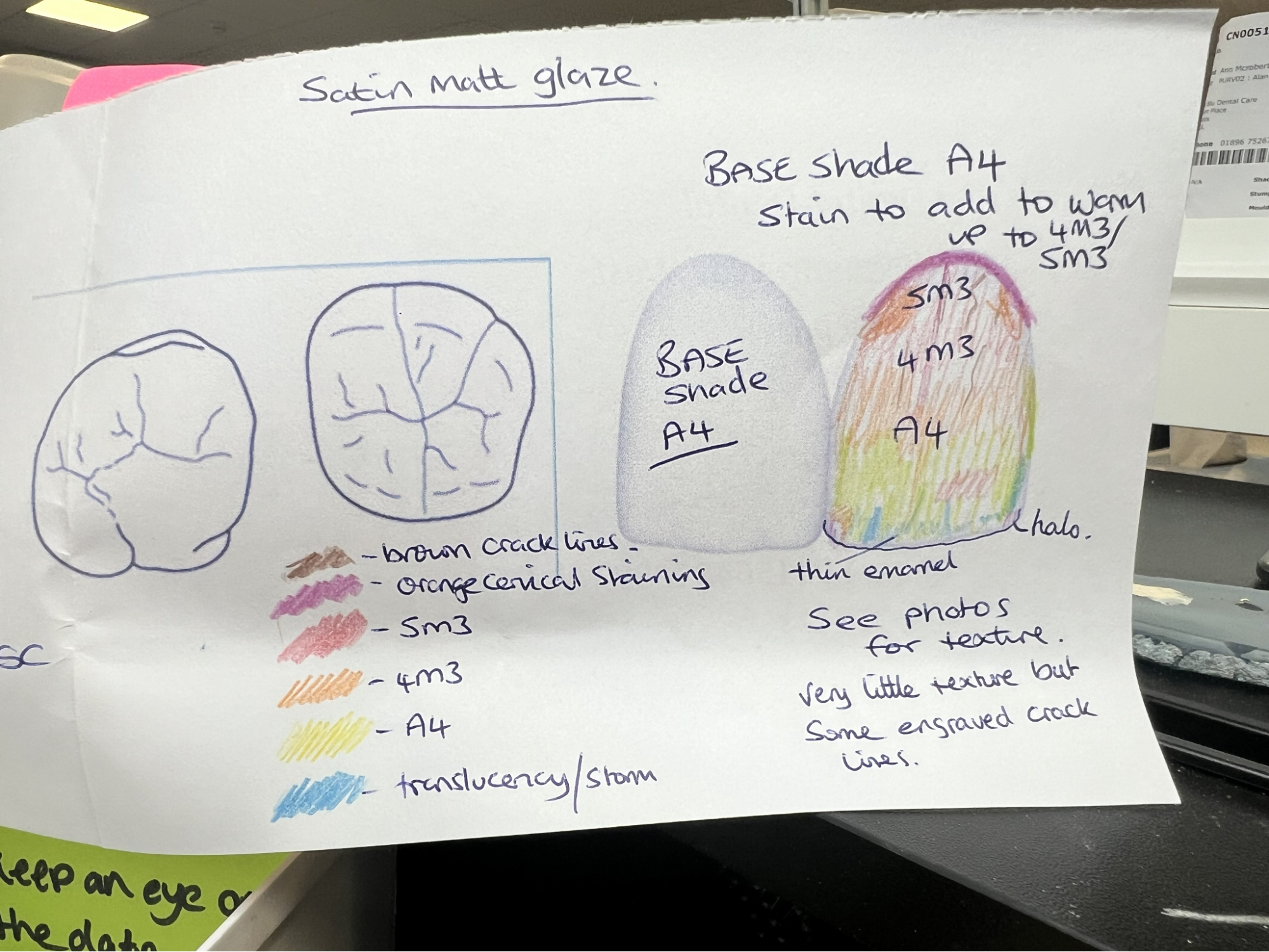
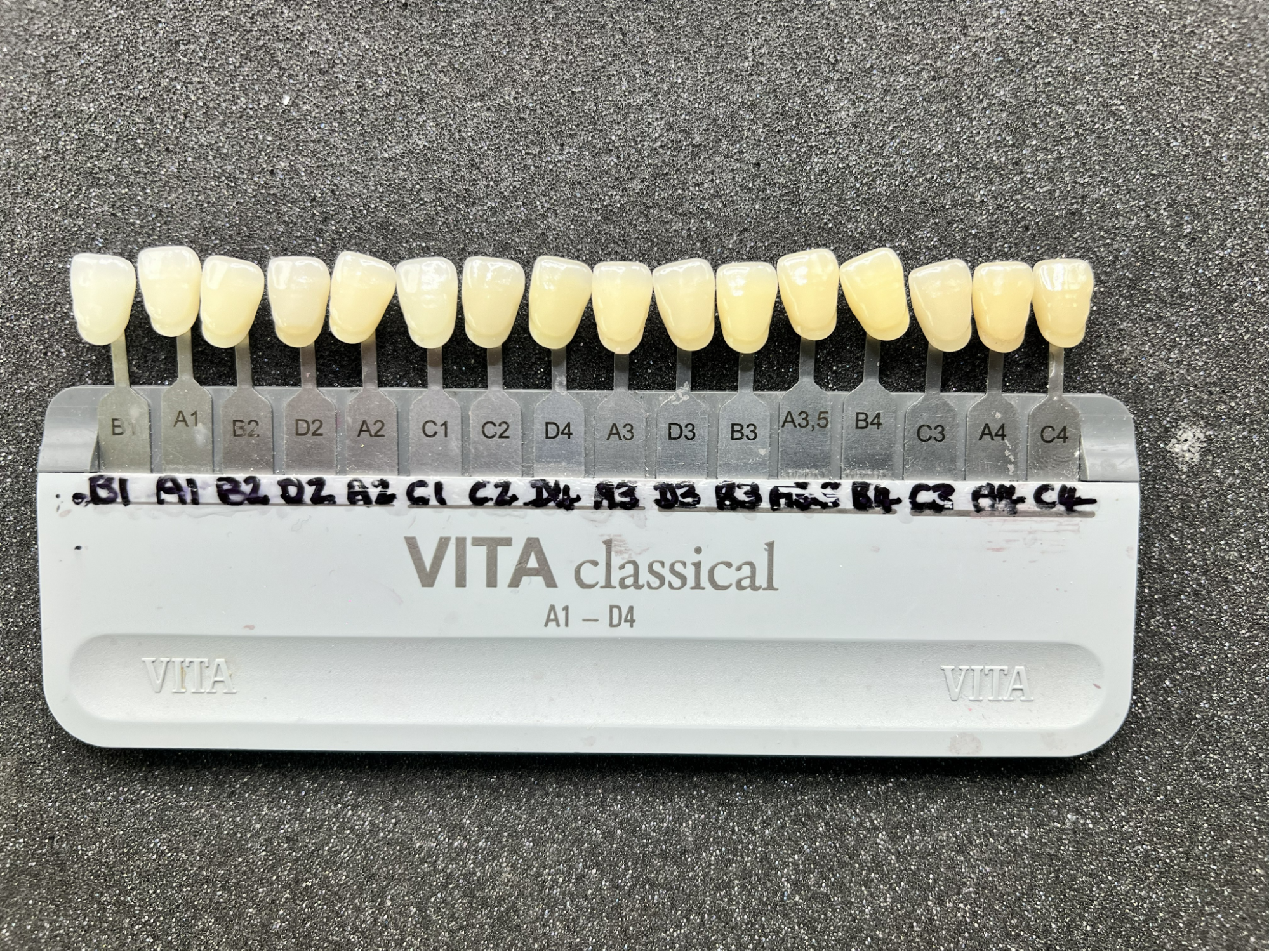
Veneers are customised to match natural teeth colour using detailed shade selection, photography, and digital or physical shade guides. The dentist provides information on surrounding teeth so our dental technicians and ceramists can replicate the correct base shade, translucency, and brightness. Layering different ceramic materials helps create depth and variation, similar to natural enamel.

Texture is matched by carefully shaping the surface and adding fine details during finishing, including subtle grooves, contours, and light surface polishing to reflect light in a natural way. The combination of shade matching and surface characterisation helps the veneers blend with surrounding teeth for a natural appearance.

Image
Image

Dental Lab Veneer FAQs

What information does a dentist send to GoDigital Dental for veneers?

At the start of a new veneer case, the dentist sends a digital scan of the prepared teeth and the surrounding area, along with the bite record. Clear photographs are also provided to show shade, plus a patient’s smile line and facial context. This helps the laboratory understand the case and plan the design from the start for the best results.

A prescription that includes the choice of material for the veneers, shade details, and any design instructions is also sent along. Information about margins, contacts, and bite is important to guide the build, and any preferences for shape, texture, or character are clear so the final veneers closely match the planned clinical result and look how the patient wants them to.

Veneers can be made very thin, usually between 0.3 mm and 0.7 mm, depending on the material used and the clinical case. Strong ceramics such as lithium disilicate allow thinner restorations while still keeping good strength and appearance in the final result. Proper tooth preparation and support from enamel are important to help the veneer perform well over time.

Final thickness also depends on the bite, tooth position, and aesthetic needs of each patient. In some cases, a little more thickness is needed to add strength or cover dark underlying colour more effectively. Careful planning ensures veneers stay strong and natural-looking without removing more tooth structure than necessary overall.

Patients can have input into the design of their veneers, particularly when it comes to shape, shade, and overall appearance. Dentists often use photos, mock-ups, or trial smiles to help patients visualise the outcome and give feedback. This allows preferences to be discussed and agreed upon before the final veneers are made.

However, clinical factors such as tooth position, bite, and material limits must also be considered and, ultimately, guide decisions. The dentist will guide the patient on what is realistic and suitable for long-term function. Good communication between the patient, dentist, and laboratory helps ensure the final result meets expectations while remaining clinically appropriate.

Dental technicians ensure the internal surface of a veneer is correctly etched by strictly following the material-specific etching protocol. After fabrication, the internal surface is cleaned and inspected to remove any debris, then the correct etchant is applied for the exact ceramic type, with controlled timing and concentration to achieve a uniform surface texture.

Technicians then thoroughly rinse and dry the veneer, checking under magnification to confirm even etching across the whole bonding surface. A silane coupling agent is sometimes applied afterwards to improve chemical bonding, but only when required. These steps ensure the internal surface is properly prepared for strong and reliable adhesion.

Dentists can review the planned veneer design before manufacture. Technicians are able to share digital previews or wax-up style visualisations created from the case data, which allow dentists to assess tooth shape, proportions, and overall smile design in advance. Adjustments can be requested at this stage to ensure the design aligns with clinical requirements and aesthetic goals before production begins.

In some cases, patients may also be shown a visual representation or a temporary mock-up to help them get a better idea of what their new smile will look like. This review stage helps improve communication between the dentist, patient, and laboratory, ensuring any changes are made as early as possible and the final veneers reflect the agreed design.

dental veneers dark teeth

GoDigital Dental can support complex veneer cases where teeth have dark or heavily discoloured underlying shades.We can copy this onto our model. These cases are carefully planned using advanced material selection and layering techniques to help mask underlying colour while still achieving a natural appearance. The laboratory works closely with the dentist to choose the most suitable ceramic type and thickness for each situation. 

Specialist materials such as high-opacity zirconia or layered lithium disilicate can be used to block out dark substrates. Careful design ensures the final veneers maintain natural translucency and aesthetics without compromising coverage. This approach helps achieve balanced results even in challenging restorative cases.

Pressed veneers are made by creating a wax pattern that is invested and pressed into ceramic under heat and pressure. This process produces a highly aesthetic result with excellent translucency and strength. It is often valued for its natural look and fine surface detail, making it suitable for cases where aesthetics are the main focus.

Milled veneers are produced using CAD/CAM technology, offering high precision, consistency, and efficiency. In this method, the design is digitally carved from a ceramic block. While both pressed and milled veneers can produce excellent results, the choice depends on case requirements, material preference, and the level of detail needed in each situation.

Before veneers are sent back to the dentist, they undergo several quality checks to ensure they look and fit as the patient and dentist expect. The restoration is reviewed digitally to confirm that margins, contacts, and occlusion match the original design, and any discrepancies are corrected before moving forward. The veneer is also checked for surface quality, shade consistency, and overall shape.

After digital review, the restoration is carefully inspected by hand in the laboratory. Technicians assess the finish and translucency, and make any fine adjustments needed for fit and appearance. Final polishing and characterisation are carried out before a final check ensures the veneer is ready to be sent for clinical use.

price list icon

Request Our Dental Laboratory Price List Find out how our pricing can support your cases

Complete our simple request form to receive pricing tailored to your requirements. Our simple approach ensures you have all the information you need to plan cases efficiently, while partnering with a reliable dental laboratory you can trust.

Awards Finalists in the Private Dentistry Awards 2025

We are proud to share that two of our talented dental technicians at GoDigital Dental have been shortlisted as finalists in the Technician Team Member category at the Private Dentistry Awards 2025. This achievement recognises their outstanding skill, dedication, and commitment to excellence in digital dentistry.

Customer Reviews

google
SEND A MESSAGE
Get in Touch
We will respond to your message as soon as possible.
GoDigital Dental
Contact us to discuss your requirements with an expert.

hello@godigital-dental.com

GoDigital Dental | Dental Lab

6 Millennium Way West
Nottingham
NG8 6AS